

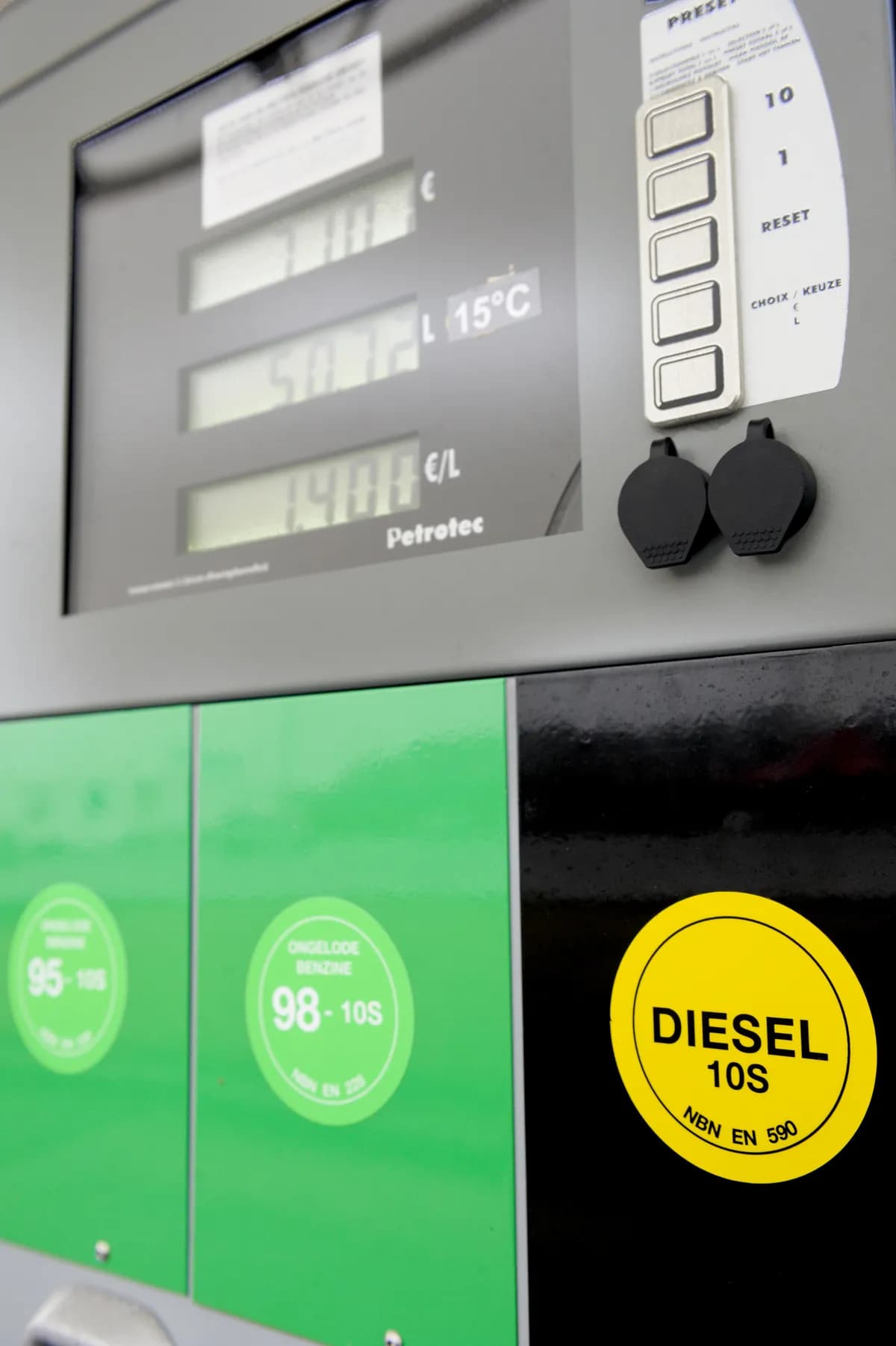
According to multiple reports, the war between the United States, Israel, and Iran that began on February 28 has effectively stopped tanker traffic through the Strait of Hormuz. Rystad Energy estimates that roughly 15 million barrels of crude are shipped daily through the strait in normal times, but the conflict has choked off these shipments, triggering a spike in oil prices before markets retreated on signs of diplomatic intervention.
The joint U.S.-Israeli strikes, designated Operation Epic Fury according to multiple reports, began on February 28. In a notification, President Trump accused Iran of being among the largest state sponsors of terrorism and seeking nuclear weapons, multiple sources confirmed. The operation marked a dramatic escalation in the long-running standoff over Iran’s nuclear ambitions and its support for militant groups across the Middle East.
Iran’s Supreme Leader Ali Khamenei was killed during the strikes, according to multiple sources. In response, the regime swiftly named his son, Ayatollah Mojtaba Khamenei, as the new supreme leader, multiple reports confirmed. The transition raised concerns about internal stability and the potential for more aggressive Iranian actions.
Throughout the conflict, oil and gas infrastructure has been a primary battlefield, with Iran, Israel, and the United States all striking energy facilities, according to multiple reports. On a Sunday, Israeli strikes hit oil depots in Tehran, causing extensive fires and knocking out refining capacity, multiple sources said. The deliberate targeting of oil assets underscored how energy security had become central to the war’s strategy.
Bahrain accused Iran of striking a desalination plant critical to the island’s drinking water supply, further inflaming regional tensions. The kingdom’s national oil company subsequently declared force majeure on its oil shipments, according to multiple reports, effectively removing its supply from the market. Major producers including Iraq, Kuwait, and the United Arab Emirates also cut output amid safety fears, according to multiple sources, deepening a global supply crunch.
Oil prices initially surged as the Strait of Hormuz closure took effect, but Brent crude then fell to under $90 per barrel on Monday, according to market data compiled by multiple research outlets. The decline was short-lived, however, with prices rebounding to $106.73 per barrel after news emerged that G7 finance ministers would discuss emergency reserves, multiple data sources indicated. The volatility reflected a market grappling with uncertainty over actual supply losses and diplomatic intervention.
President Trump sent an official notification to Congress on March 3 detailing the strikes, multiple reports indicate. In that letter, Trump asserted that he acted pursuant to his constitutional authority as Commander in Chief, a statement multiple sources confirmed. He also wrote that it was not yet possible to know the full scope and duration of military operations against Iran, underscoring the open-ended nature of the campaign.
Under the War Powers Resolution, the president must terminate hostilities within 60 days of notifying Congress unless legislators authorize an extension. The 60-day clock for this conflict began on March 2, 2026, making May 1 the statutory deadline for ending U.S. military involvement, though Trump's official notification was dated March 3. This legal framework set the stage for a clash between the White House and lawmakers over the war’s duration.
President Trump, in a letter to House Speaker Mike Johnson and Senate President pro tempore Chuck Grassley, declared that military hostilities that began on February 28 had ceased and that there had been no exchange of fire since April 7, 2026. According to CBS News, Trump separately described the conflict as largely finished. However, independent verification of the ceasefire terms remained elusive, and the Pentagon declined to comment on the operational status.
Defense Secretary Pete Hegseth argued that the ceasefire had effectively paused the 60-day War Powers clock, contending that without active combat, the countdown halts. Senator Tim Kaine voiced skepticism that the War Powers Resolution allows such a pause, a legal interpretation at odds with the administration’s stance. The disagreement highlighted the untested boundaries of the law in a modern conflict.
Democratic lawmakers, led by Senator Chuck Schumer and Senator Jeanne Shaheen, flatly rejected Trump’s claim that the war is over, stating that U.S. service members were still in harm’s way, the Strait of Hormuz remained closed, and oil prices had skyrocketed. Shaheen separately slammed the administration for entering the war without a strategy or congressional authorization. The opposition signaled a brewing constitutional showdown.
Representative Hank Johnson argued that only Congress holds the power to declare war, a step not taken before the strikes on Iran. He called the operation an unconstitutional declaration of war and urged Republican leaders to reconvene Congress in Washington. The constitutional debate intensified as the 60-day deadline approached.
G7 finance ministers were preparing to discuss the release of emergency oil reserves to stem the market turmoil, according to multiple reports. The International Energy Agency was coordinating a call scheduled for 8:30 a.m. New York time to address the supply crisis, sources indicated. Whether such a release would materialize and at what scale remained open questions.
The United States backed a joint release of 300 to 400 million barrels from strategic petroleum reserves, amounting to roughly 25 to 35 percent of the total 1.2 billion barrels in reserve, according to multiple reports. The International Energy Agency’s emergency reserve system, according to the organization, was created in 1974 after the Arab oil embargo and has been activated only twice before. A release of this magnitude would be unprecedented and could signal a profound shift in energy security policy.
Nicholas Mulder, a professor at Cornell University, told media that the current situation already constituted the largest oil supply shock in history, with roughly three to four times as many barrels lost compared to the 1973 and 1979 crises. The Guardian reported that President Trump dismissed the oil price surge as a minor cost for ensuring safety and peace. Separately, a spokesperson for Iran’s Revolutionary Guard Corps was quoted by The Guardian as warning that oil prices might surpass $200 a barrel if the war continues.
Reuters reported that the Pentagon planned to withdraw 5,000 U.S. troops from Germany, a decision seen as straining NATO solidarity during the crisis. According to The Guardian, German Chancellor Friedrich Merz accused the Americans of lacking a strategy for ending the war. The transatlantic rift complicated efforts to forge a unified response to Iran and stabilize global oil markets.