

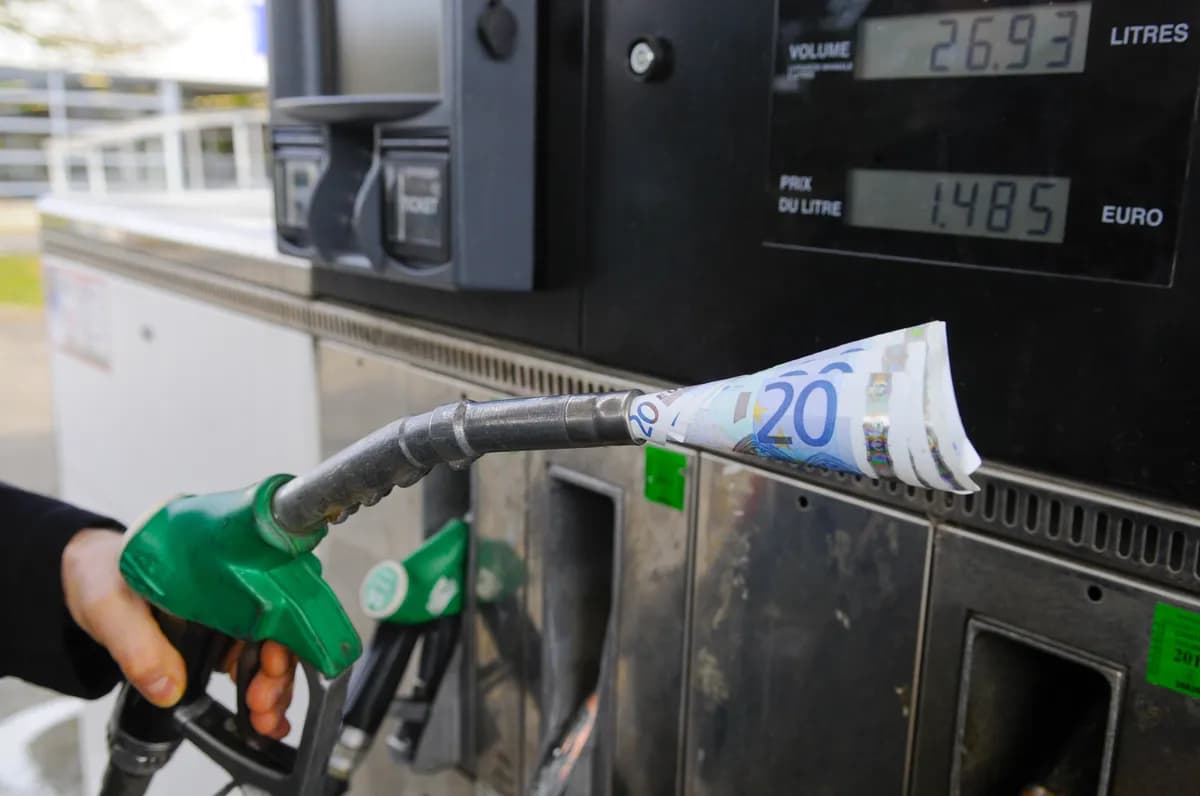
The price surge is being driven by oil market disruptions, with oil prices skyrocketing to $100 a barrel, pushing average gas prices above $4 a gallon. The price increase is largely due to Iran's de facto blockade of the Strait of Hormuz, a critical chokepoint for global oil shipments. S.
will impose its own blockade on the Strait of Hormuz, though the exact timeline and conditions for this action remain unclear. In response to the surging energy costs, lawmakers are pushing to suspend the federal gasoline tax. 4 cents per gallon on diesel fuel, providing more than $23 billion per year in revenue for federal highway and public transit programs.
However, the president cannot suspend the federal gas tax on his own; Congress would have to approve the move, and it is unknown whether such approval will be granted. Public opinion on military action against Iran is deeply divided along partisan lines. S.
military action against Iran, while about 4 in 10 support it. The vast majority of Democrats oppose the military action (89%), the vast majority of Republicans support it (85%), and independents oppose it (60%). About 59% of Americans say military action in Iran has been excessive.
About two-thirds of Americans say preventing Iran from obtaining a nuclear weapon should be an extremely or very important foreign policy goal. Economic anxiety is growing, with 45% of Americans extremely or very concerned about being able to afford petrol in the next few months, up from 30% in a previous poll. S.
oil and gas prices from going up. However, only about three in 10 Republicans are extremely or very worried about affording gas in the next few months, as opposed to about six in 10 Democrats. S.
Strategic Petroleum Reserve and temporarily lifting sanctions on some Russian and Iranian oil shipments already at sea. S. is also negotiating with countries reliant on Middle East crude to join a coalition to police the Strait of Hormuz.
Trump's negotiators reached a ceasefire with Iran last Tuesday, but peace talks have since stalled, and the current status and prospects of these talks are uncertain. Funding for the war effort is another unresolved issue. The administration is expected to send Congress a $98 billion funding request for the war.
The specific details and likelihood of passage for this request are not yet known. The vast majority of Americans, 69%, are concerned about elevated gas and fuel prices as a result of the Iran war.