

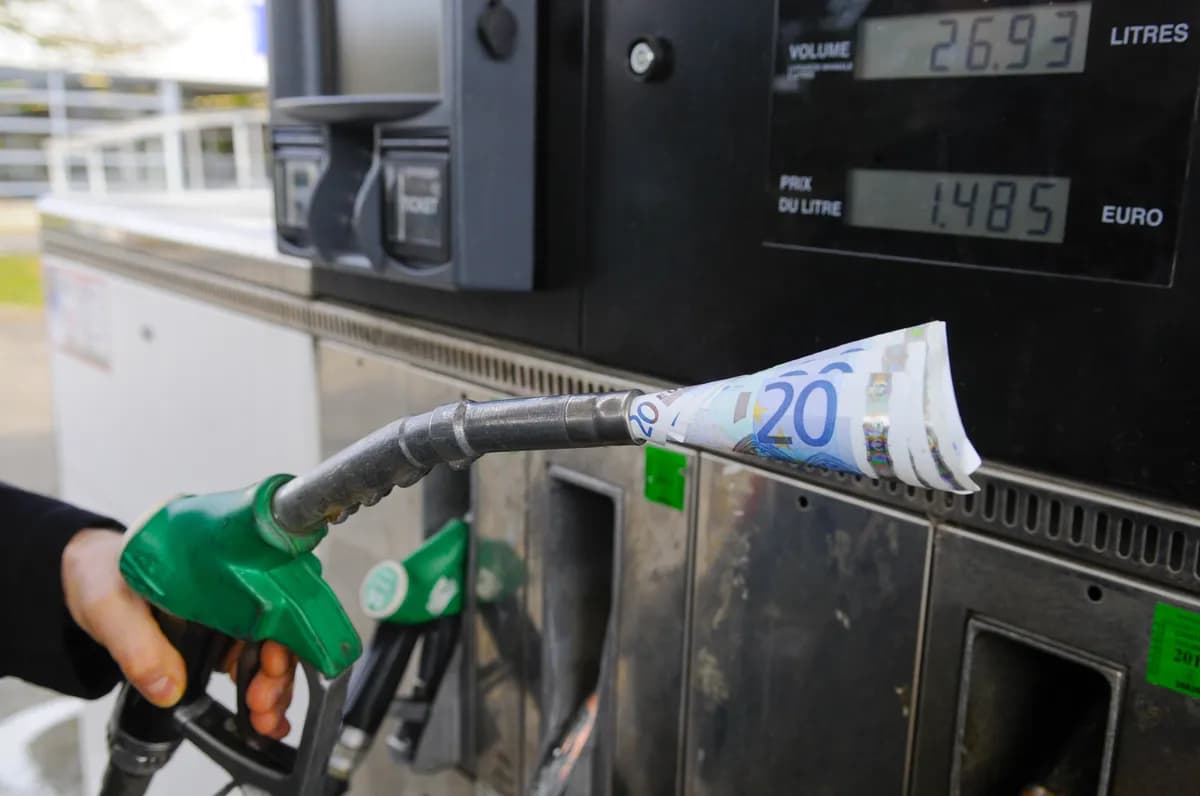
Multiple reports indicate the war in Iran is causing gas prices to rise in the United States. 90 a month ago before the conflict began, and prices have since surged above $4 a gallon nationally. Oil prices have skyrocketed to $100 a barrel.
The price increase is largely due to Iran's de facto blockade of the Strait of Hormuz, according to major media reports. S. will impose its own blockade on the Strait of Hormuz, though the specific timeline or conditions for this action remain unclear.
S. is also negotiating with countries reliant on Middle East crude to join a coalition to police the strait, according to multiple reports. S.
Strategic Petroleum Reserve and temporarily lifted sanctions on some Russian and Iranian oil shipments already at sea. Trump's negotiators reached a ceasefire with Iran last Tuesday, but peace talks have since stalled, according to major media reports. Public opinion polls show significant voter opposition to military action and concern over fuel costs.
S. military action against Iran, while about 4 in 10 support it. A Pew Research Center survey found 69% of Americans are concerned about elevated gas and fuel prices as a result of the Iran war.
An Associated Press-NORC Center survey indicates about 59% of Americans say military action in Iran has been excessive. The same survey found about 45% of Americans are extremely or very concerned about being able to afford petrol in the next few months, up from 30% in a previous poll. About two-thirds of Americans say preventing Iran from obtaining a nuclear weapon should be an extremely or very important foreign policy goal, according to the Associated Press-NORC Center survey.
In Congress, some lawmakers are pushing to suspend the federal gasoline tax to provide relief. 4 cents per gallon on diesel fuel, providing more than $23 billion per year in revenue for federal highway and public transit programs. The president cannot suspend the federal gas tax on his own; Congress would have to approve.
This is the nastiest race we’ve had in a primary between Republicans in 20 to 25 years and maybe ever.
Senator Richard Blumenthal and Senator Mark Kelly co-sponsored the Gas Prices Relief Act to suspend the tax through Oct. 1, and a similar measure was sponsored in the House by Democratic Rep. Chris Pappas.
Whether the federal gasoline tax will be suspended and when remains uncertain. The political impact is becoming evident as Republicans express midterm election worries. Top Republicans are worried about their chances in the upcoming midterm elections due to the Iran war and skyrocketing gas prices, according to major media reports.
In Texas, Lt Gov Dan Patrick warned that the political climate resembles 2018, when Democrat Beto O'Rourke came close to unseating GOP Senator Ted Cruz. Democratic Texas state Rep James Talarico raised $27 million in the first quarter, according to major media reports. In Wisconsin, a state supreme court race ended in a decisive loss for conservatives, triggering calls for change within the state party.
In Arizona, Republicans failed to secure control of a Phoenix-area utility board, according to major media reports. Nonpartisan election analysts have moved several key Senate races toward Democrats, including in Ohio, Georgia, and North Carolina. The exact impact of the Iran war on midterm election outcomes in key states is not yet known.
Economically, rideshare drivers are bearing the brunt of high fuel costs. Rideshare drivers for Uber and Lyft are spending hundreds more dollars on fuel each month, according to major media reports. S.
98 a gallon at the end of February to above $4. Rideshare drivers are classified as independent contractors and bear costs like fuel. Uber and Lyft have expanded rewards and discounts through financial services products.
Looking ahead, the administration is expected to send Congress a $98 billion funding request, according to major media reports. The details and likelihood of passage for this request are unknown.