

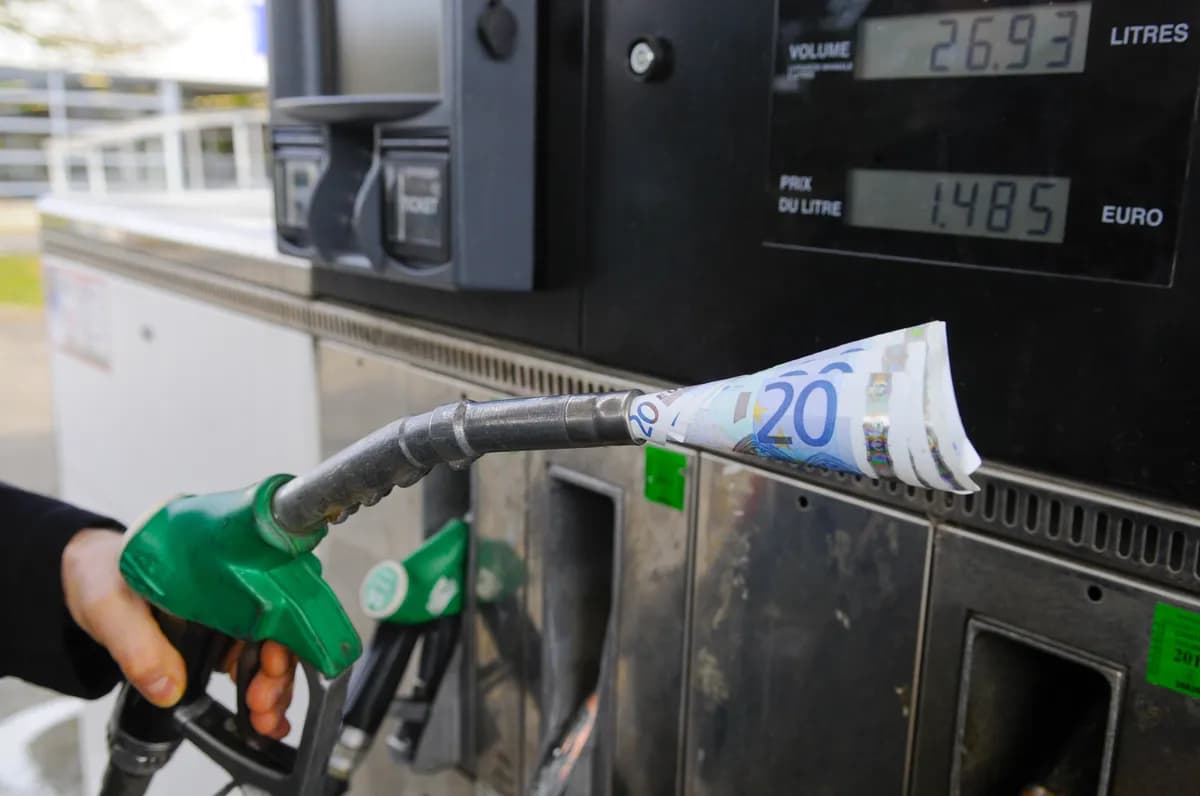
The immediate impact of the blockade has been a rapid rise in wholesale gas and electricity prices since late February, according to research from nine sources. Key oil and gas facilities across Gulf states have been damaged, including strikes on a major LNG production base in Qatar. Continuing threats against oil tankers in the Strait of Hormuz have effectively cut off this vital supply route, research indicates.
The blockade unfolded after the conflict in Iran began on February 28, with the Strait of Hormuz emerging as a major hotspot. Iran has restricted vessels linked to nations responsible for the conflict from passing through the strait. Energy shipments from the Middle East have been at a standstill following Iran's threats to attack vessels in this critical trade waterway, multiple reports confirm.
Global market reactions have been severe, with oil prices at points soaring to close to $120 a barrel. Escalating hostilities have brought ship transits close to a halt, triggering immediate reactions in global energy markets. United Nations estimates indicate oil prices have risen by around 45%, gas by 55%, and fertiliser prices by 35% since late February.
The International Energy Agency committed to release 400 million barrels of oil from emergency reserves to stabilize supply chains and mitigate price hikes. However, industry experts warned that 400 million barrels of oil represents only about 20 days' worth of global energy supplies.
Asian countries reliant on Gulf energy imports have been hit hardest by the supply disruptions. The closure of the Strait of Hormuz since March 2 is sending shockwaves through Asia's energy systems. Since Iran effectively shut the strait, tanker traffic has dropped to almost zero, pushing up prices and straining supply chains. The blockade has led to a global oil shortage, rocking Gulf-reliant Asian countries hard, research shows.
Specific impacts are acute in South Korea and the Philippines. South Korea is moving to secure alternative energy supplies, with Foreign Minister Cho Hyun asking Oman for support on crude oil and LNG shipments. More than 70% of South Korea's oil imports pass through the Strait of Hormuz. The Philippines declared a 'national energy emergency' as fuel shortages worsen and is rolling out fuel subsidies, raising transport fares, and introducing a four-day work week for civil servants.
Other Asian governments are implementing various response measures. The Indonesian government is considering work-from-home measures to conserve energy. Thailand has asked civil servants to conserve energy by pausing overseas travel and using stairs instead of elevators. India has instructed its refineries to prioritize the supply of LPG to households over commercial establishments. Pakistan, Egypt, and Vietnam have increased fuel prices and implemented energy-saving measures, according to research.
China is feeling the strain but is in a better position due to years of statecraft preparing for a global energy crisis, research indicates. China uses an estimated 15 to 16 million barrels of oil daily. Gulf countries are a major source of oil for China, with Saudi Arabia and Iran accounting for over 10% of its imports each. Russian oil accounts for nearly a fifth of China's energy imports, making Moscow its biggest oil supplier. Coal is the dominant source of power for most of China's electricity, and China is the world's largest coal producer.
Broader economic consequences are unfolding across Asia. The fallout from the war is disrupting fuel supplies, shipping routes, and supply chains across Asia and the Pacific. The immediate impact includes sharp increases in transport costs, energy and fertiliser prices, currency pressures, and financial market volatility. Analysts warn that a short disruption is driving inflation and transport costs higher, while a prolonged blockade could slow economic growth across the region. Regional inflation could rise to 4.6% in 2026, up from 3.5% in 2025, according to estimates.
Shipping and supply chain disruptions are widespread. Major shipping companies are suspending services to the Middle East, with containers stranded in congested ports. At least 20,000 seafarers in the region are affected. Disruptions to petrochemical feedstocks threaten manufacturing across major Asian economies. Fertiliser shortages are raising concerns about future crop yields across South Asia and beyond.
European vulnerability is becoming apparent as consumer impacts mount. The EU still relies on energy imports, making it vulnerable to global energy disruption, with 6% of its LNG imports coming from Qatar via the Strait of Hormuz. Euroconsumers members are seeing rising petrol station bills and fear rising home energy bills. In Italy, the average price of petrol and diesel has increased by at least 3% since the start of the conflict, with peaks of almost +6% for diesel between February 25 and March 5. Italy has taken measures to reduce the price of gasoline and diesel at the pump by 25 cents per liter.
Norway faces specific challenges with bunkering and its CO2 tax. Vessels are travelling to locations like Shetland and the Faroe Islands for bunkering due to cancelled fuel orders. Bunker Oil is considering a scenario where only one facility in Tromsø and one in Ålesund might remain viable. As vessels seek foreign ports for fuel, other services may also be procured abroad, diminishing value creation in Norway. Closure of bunkering facilities in northern Norway will have greater ripple effects due to long distances and a vulnerable distribution network. Bunker Oil's tank facilities supply fuel to the defence sector and serve as crucial hubs for distributing fuel to smaller coastal communities. The CO2 tax in Norway was introduced as a climate measure but alternatives are not realistic for much of the fleet, undermining competitiveness. Danish authorities compensate both domestic and foreign fishers for 100% of the CO2 tax when bunkering in Denmark.
A local incident in Norway illustrates the strain: Circle K Røkland ran out of diesel on Sunday, according to a Facebook post from the station reported by Avisa Nordland. The gas station wrote about the diesel shortage on its Facebook page on Sunday. It planned to have low fuel levels on its tanks due to significant changes in fuel taxes, but higher-than-normal sales caused the tanks to run out of diesel. The gas station expects delivery the next day (Monday), the Facebook post stated.
Other Circle K technical issues have affected customers. A customer at a Circle K station in Mora was charged for 453 liters of diesel instead of 20 liters due to a technical error. Circle K had problems with air refuelings at one of its stations in June and all customers should have been refunded. A Circle K press officer said they regret the delay in refunding Jon Jannes and he will get his money back.
The duration of the blockade and its resolution remain uncertain, with no clear timeline for reopening the Strait of Hormuz. The exact extent of damage to key oil and gas facilities in Gulf states and repair timelines are also unclear.
Long-term economic risks are significant as global dependency on fossil fuel imports is exposed. Global energy markets dependent on imported fossil fuels are at the mercy of global commodity markets due to the Middle East crisis. Prolonged escalation could cause energy price spikes to spill over into core economic indicators like inflation, interest rates, trade balances, and GDP growth.