

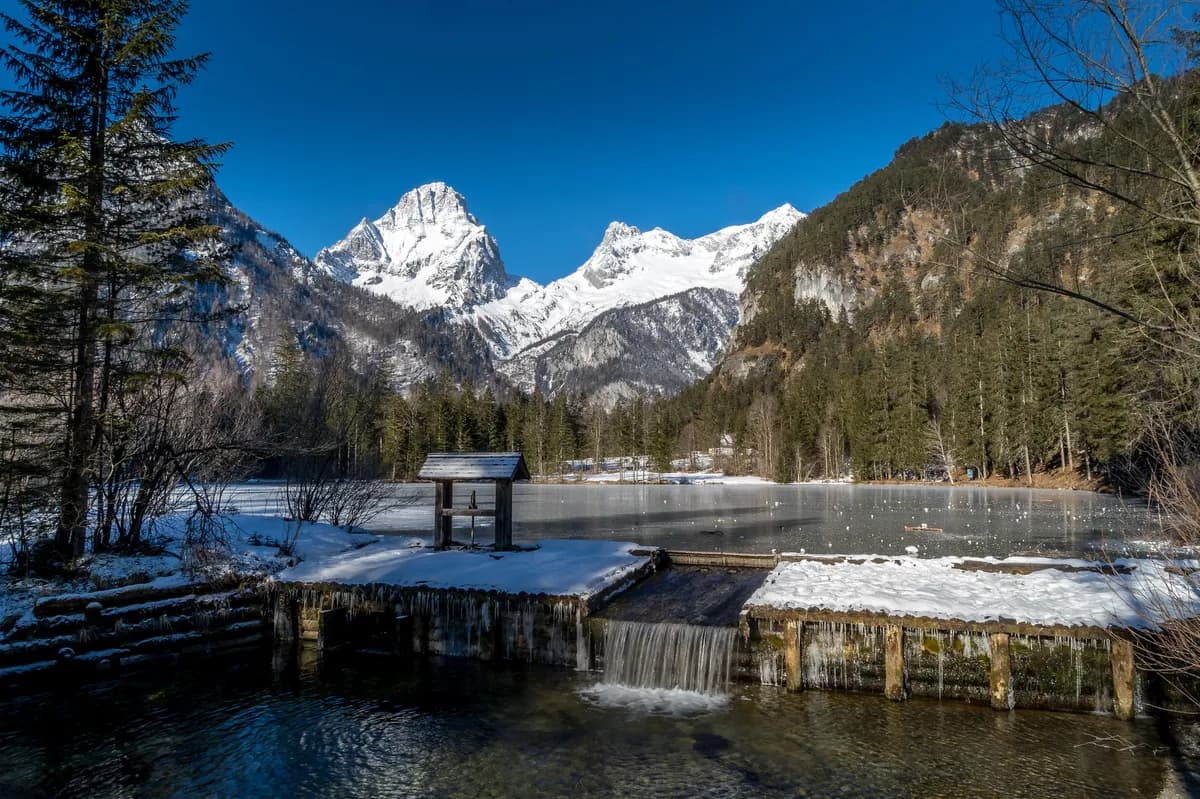
According to multiple reports, the ice breakup occurred 24 days earlier than the historical average. Only three times since 1870 has the ice broken up earlier than this year. The short ice period, which lasted 108 days, was attributed to late ice formation and warm weather in March, said Andreas Gyllenhammar.
Although cold in January made the ice thick, northwest winds on Tuesday began breaking up the rotten ice, and the remaining weak ice broke up overnight into Wednesday. The ice breakup is determined by when no ice is visible on Storsjöflaket. The exact average date for ice breakup on Storsjön has not been specified, nor has the earliest recorded breakup date.
Long-term trends for ice breakup dates on the lake remain unclear.