

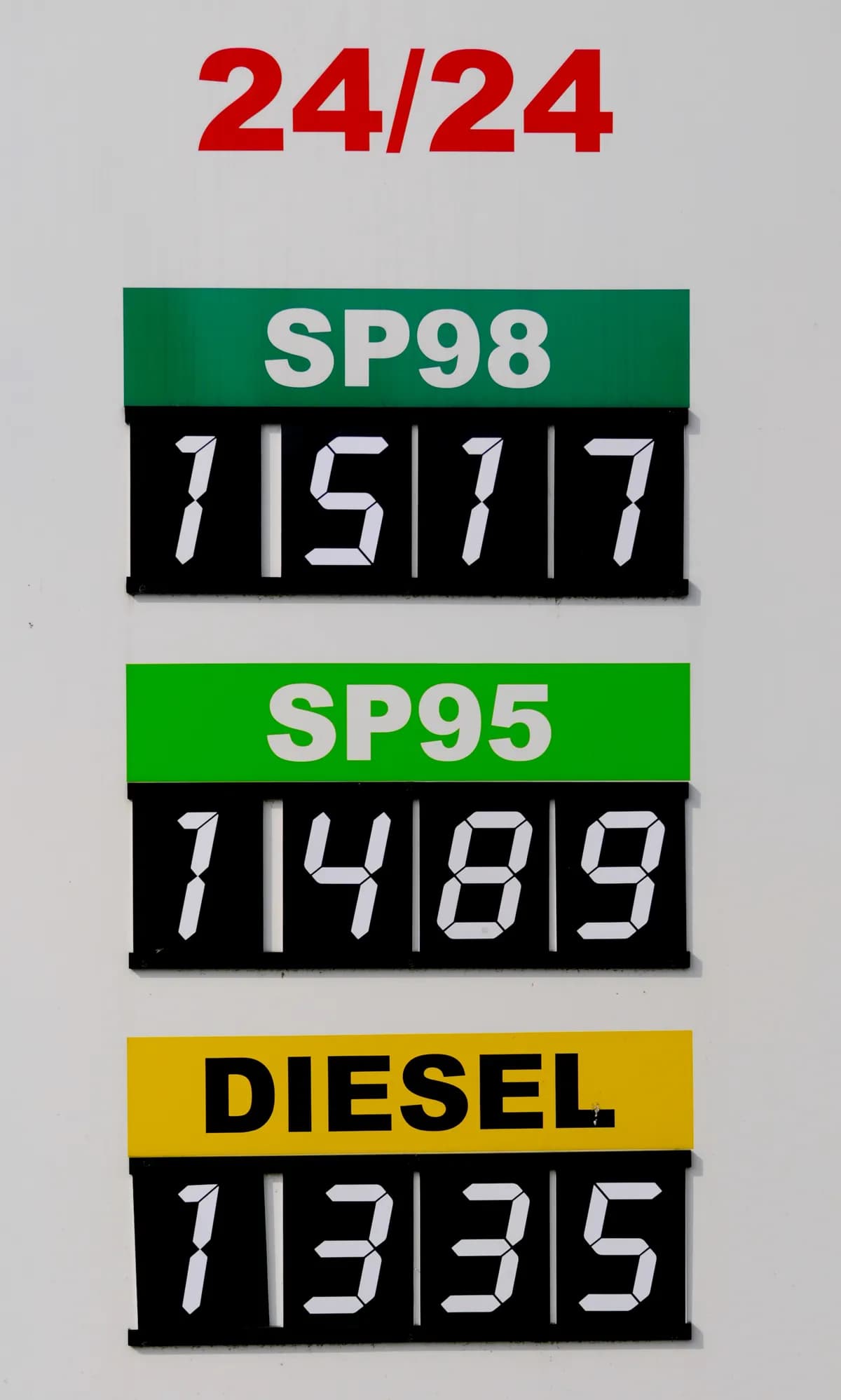
The St Moritz Hotel & Cowshed Spa in Padstow launched a scheme where guests booking before April 30 and arriving before July 1 can claim a discount on their stay to offset increased fuel costs. According to the hotel, co-founder Hugh Ridgway introduced the measure in response to rising living costs, including increased wages, business rates, and VAT. The discount varies by distance, with guests from the south west and Wales receiving £15, those from the South and Midlands £20, and travelers from the North and Scotland £30 off their bill. A hotel spokesperson stated that fuel prices have jumped around 15% across the UK, and because getting to Cornwall isn't exactly a quick hop on the Tube, they're stepping in. The discount is based on current average UK fuel prices and mileage, with a list of eligible postcodes available on the hotel's website.
This initiative comes as the vital Strait of Hormuz, a narrow waterway connecting the Persian Gulf to global oceans, has been effectively closed since late February. Iranian attacks on vessels have dramatically reduced traffic through the channel, which normally carries about 20% of the world's oil and gas supplies. The closure, following the US-Israeli bombing campaign that began on February 28, has forced up energy and fuel prices worldwide. With the US-Israeli war on Iran and closure of the Strait of Hormuz, prices at the pump have gone through the roof, with many motorists facing a 15% increase to fill their tanks.
Fuel prices have jumped around 15% across the UK, and because getting to Cornwall isn't exactly a quick hop on the Tube, we're stepping in.
The conflict has escalated rapidly, with Tehran launching ballistic missiles at Israel, US military bases, oil depots, and other Gulf infrastructure since the strikes began. Iran is stepping up attacks across the Middle East, and its new Supreme Leader Mojtaba Khamenei has vowed to keep the Strait of Hormuz closed. President Donald Trump lashed out at NATO allies after the strait briefly reopened, accusing them of refusing his calls to help force open the shipping route. Trump said NATO countries can 'stay away' from the Middle East 'unless they just want to load up their ships with oil.'
The disruption has sent shockwaves through global energy markets. Oil prices have soared, with Brent crude at $106 per barrel as of Monday morning, up more than 40% from $72 on February 27. By Friday, Brent crude futures had fallen 1.69% to $98.76 a barrel, while West Texas Intermediate crude was at $93.45, though both remain about 37% higher than pre-conflict levels. Liquified natural gas prices have risen almost 60% since the war started, according to analyst Muyu Xu, exacerbated by QatarEnergy suspending LNG production after an Iranian drone attack on March 2. Prices of refined products like petrol, gas oil, jet kerosene, and fuel oil have seen significant increases and are expected to keep rising if the strait remains shut.
Whatever's happening in the world – airlines, politics, Trump being Trump – we're just here to cover your fuel surcharge!
Asian nations are scrambling to secure alternative energy supplies at higher prices due to the Middle East Gulf disruptions. About 84% of crude oil and 83% of LNG that passed through the Strait of Hormuz in 2024 was bound for Asia, according to US Energy Information Administration data. China, India, Japan, and South Korea accounted for nearly 70% of oil shipments through the strait, with about 15% bound for the rest of Asia. The agency notes that this heavy dependence leaves the region particularly vulnerable to supply shocks.
Forecasts for oil prices diverge sharply depending on conflict duration. A Capital Economics report projects that if the war is short-lived and Iranian attacks cease, oil and LNG prices would fall sharply, with Brent crude reaching $65 per barrel by year-end. Conversely, in a prolonged conflict scenario, oil prices could rise to around $130 per barrel in the second quarter, with continued disruptions to Strait of Hormuz shipments. The World Bank offers a different baseline, expecting Brent crude to average $73 in 2025 if the conflict does not intensify, down from $80 in 2024. However, if the conflict escalates and reduces global oil supply by 2% (2 million barrels per day) by end-2024, prices could rise significantly.
The hotel will then 'knock off the amount it costs to cover the extra 15% fuel price rise for a return trip'.
Longer-term commodity outlooks suggest potential price moderation despite current turmoil. The World Bank's Commodity Markets Outlook indicates global commodity prices are set to tumble to a five-year low in 2025 amid an oil glut that may limit price effects even of a wider Middle East conflict. Next year, global oil supply is expected to exceed demand by an average of 1.2 million barrels per day, a glut exceeded only twice before in 2020 and 1998. This surplus partly reflects a major shift in China, where oil demand has flatlined since 2023 amid industrial slowdown and increased electric vehicle and LNG truck sales. Several non-OPEC+ countries are expected to ramp up oil production, and OPEC+ maintains significant spare capacity of 7 million barrels per day.
From 2024 through 2026, global commodity prices are projected to plummet by nearly 10%, though overall prices will remain 30% higher than in the five years before the COVID-19 pandemic. Global food prices are set to fall 9% in 2024 and an additional 4% in 2025 before leveling off, but will remain nearly 25% above the 2015-2019 average. Energy prices are expected to drop by 6% in 2025 and an additional 2% in 2026. Falling food and energy prices should make it easier for central banks to control inflation, but escalation in armed conflicts could complicate this by disrupting supply and driving up prices.
High food prices, conflict, extreme weather, and other shocks have made more than 725 million people food insecure in 2024, according to Indermit Gill. This economic strain is compounded by market volatility, with stocks rising on Friday after recent heavy selling, helped by lower oil prices, but uncertainty over the Iran war continues to disrupt energy supplies, driving concerns over fuel inflation and interest rates. Both Brent and WTI crude had hovered around $60 at the start of 2026, highlighting the dramatic recent surge.
In response to the crisis, President Donald Trump said the US would hit Iran 'very hard over the next week' and issued a partial 30-day waiver for purchases of sanctioned Russian oil to ease prices. The International Energy Agency has warned that Europe only has about six weeks worth of aviation fuel stocks left. Investors are bracing for a prolonged conflict and higher oil prices, with markets repricing expectations for Federal Reserve easing to just 20 basis points of cuts this year, down from 50 bps last month, due to rising inflation concerns.
Key unknowns persist, including whether the Strait of Hormuz is currently open or closed, as sources mention reopening but also ongoing closures and attacks. The exact status of Iranian strikes remains unclear beyond reported incidents, and the duration and escalation potential of the war affects all economic projections. The effectiveness of the hotel's fuel offset scheme in actually mitigating costs for guests is untested beyond announced discounts, and the specific alternative energy sources countries are securing, and at what cost, are not detailed in general reports of scrambling. A hotel spokesperson remarked that whatever's happening in the world – airlines, politics, Trump being Trump – they're just there to cover your fuel surcharge, and the hotel will then knock off the amount it costs to cover the extra 15% fuel price rise for a return trip.