

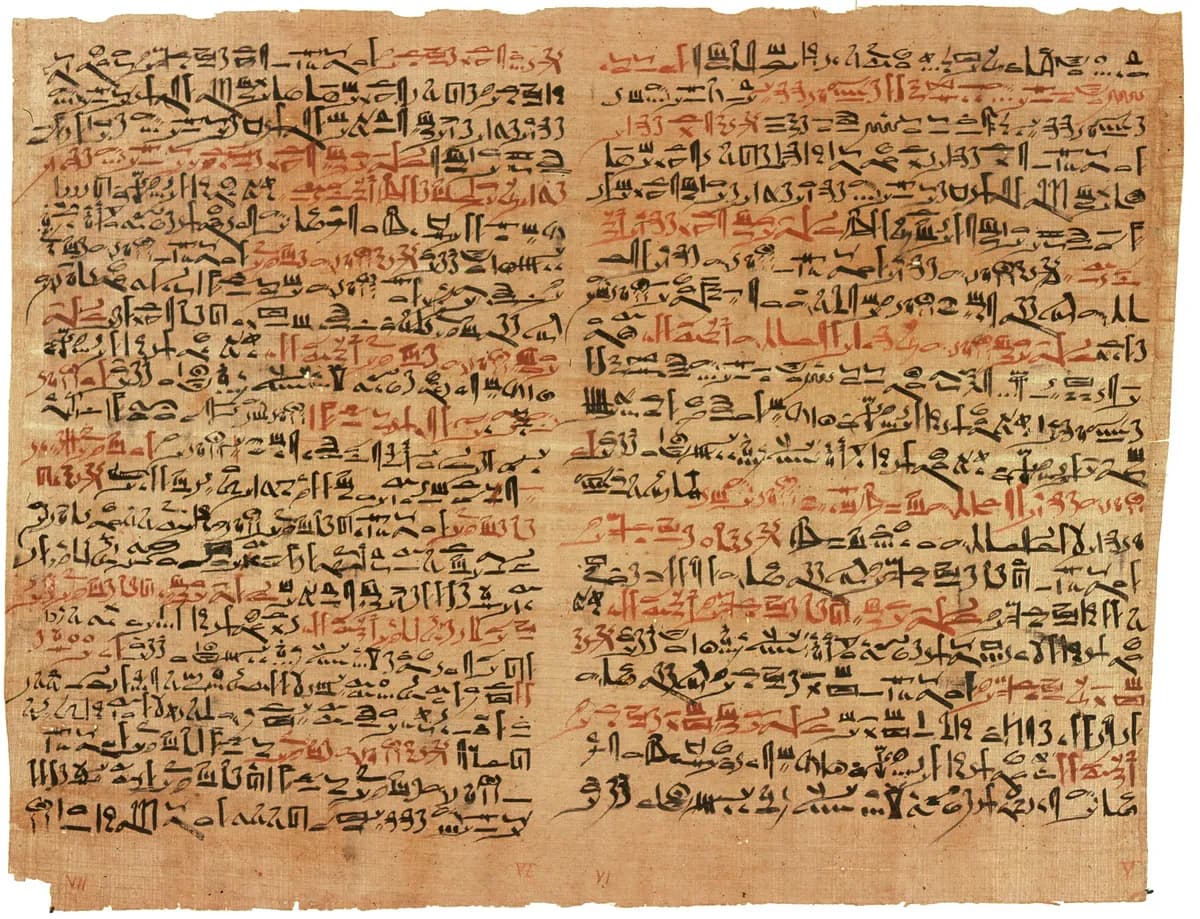
According to researchers, the mummy was found in a Roman-era tomb in the ancient Egyptian city of Oxyrhynchus, now Al-Bahnasa, located 118 miles south of Cairo. Excavation reports indicate it was uncovered during a campaign between November and December 2025, which revealed a funerary complex with three limestone chambers containing Roman-era mummies and decorated wooden sarcophagi, many damaged by past looting. The fragment was reportedly found within the gut of a mummy in 'Tomb 65', and it comes from Book II of the Iliad, detailing a list of ships representing Greek contingents that sailed to Troy.
Archaeologists say the papyrus was placed in the abdomen as part of the embalming ritual, which involved dehydrating the body and wrapping it for protection. Research suggests Roman-era mummification in Oxyrhynchus combined traditional Egyptian, Greek, and Roman customs. According to historical accounts, Egyptian priests at that time preserved bodies for over 40 days, using natron salt and linen wrapping, and often filled the body with textiles or embalming materials instead of removing organs.
This discovery holds significant historical importance because researchers say it represents the first Greek literary text found in a mummification context. Previous excavations have reportedly found Greek papyri incorporated into mummification, but their content was mainly magical or ritualistic. In contrast, this Iliad fragment is a literary work, highlighting a unique cultural integration in ancient burial practices.
Key unknowns remain, such as why this particular text from Book II of the Iliad was chosen for the mummification process, and the identity or social status of the mummy in which it was found. Additionally, it is unclear how the papyrus fragment was preserved inside the gut for 1,600 years without degradation, and the exact date or historical period within the Roman era when this mummification occurred has not been specified. Previous excavations in Oxyrhynchus reportedly led to the discovery of 52 mummies dating back over 2,000 years, with 13 adorned with gold tongues and fingernails, but whether other literary texts have been found in similar funerary contexts elsewhere remains an open question.