

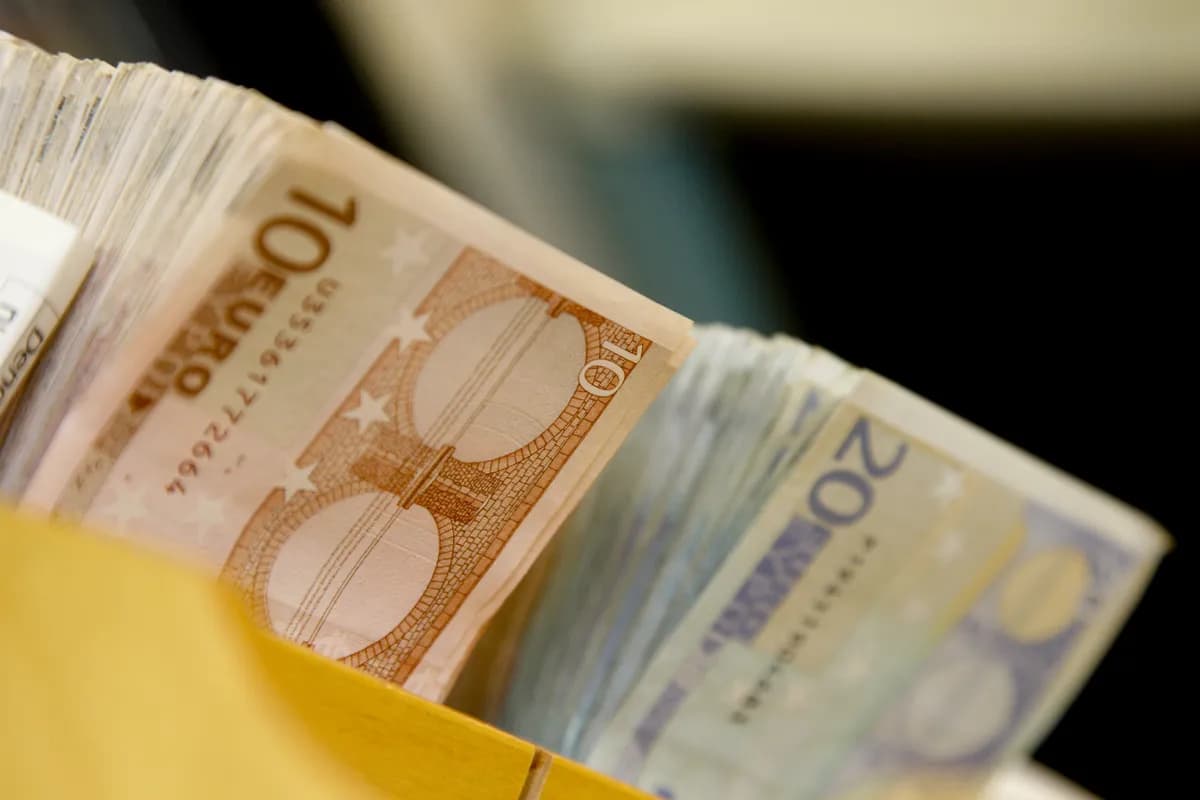
HMRC has issued a warning urging young adults to check for unclaimed Child Trust Funds, as an estimated £1.5 billion sits in approximately 758,000 accounts belonging to people aged 18 to 23. The warning comes amid growing concern that many young people are unaware of the savings set aside for them at birth. According to multiple reports, the average value of a Child Trust Fund is £2,200, meaning many account holders could be missing out on significant sums that could help with education, housing, or starting a career.
Child Trust Funds were introduced by the Labour government in 2005 for children born between 1 September 2002 and 2 January 2011. Each child was given £250 from the government to launch the account, with an additional £250 for those from low-income families or in care. If an account was not opened by a parent within 12 months, HMRC opened one on their behalf. The scheme was designed to encourage saving and provide a financial foundation for young people, but it was discontinued in 2011 under the coalition government.
No one had said anything and my mum passed away when I was 11, so I just didn’t have a clue.
Despite the funds being intended as a nest egg, many accounts remain untouched. The average value of a Child Trust Fund is £2,200, according to multiple reports. HMRC is set to send letters to young people about their Child Trust Funds for the first time, targeting those aged 21 who haven't claimed their money. The letters aim to raise awareness and prompt action, though the exact timing of the mailing has not been confirmed. It remains unclear how many young people will actually receive letters and how HMRC will obtain their current addresses, given that many may have moved since the accounts were opened.
There are growing calls for funds to be automatically released to account holders when they turn 21. According to multiple reports, campaigners and some MPs argue that the current system places an unfair burden on young people to track down their savings. A 2023 report from the Public Accounts Committee criticized HMRC and providers for failures regarding unclaimed accounts. The committee highlighted that too many accounts remain dormant and that the process for claiming is overly complex. According to The Guardian - Business, Elle Middlemas, a college student who discovered her fund after her mother's death, described her surprise at finding £700 in her account and said everyone who has one should be eligible to get it without having to go through the process she did.
My sister is 21, she’d been looking for three years and couldn’t find anything, so we just assumed we didn’t have them. I was really upset because I saw all my friends had one.
Regional disparities also exist, with young people in northern England disproportionately affected by unclaimed savings, according to The Share Foundation. The exact geographical breakdown beyond this broad region is unknown, as is the total amount of money that could be automatically released if the proposal to release funds at age 21 is implemented. The number of unclaimed accounts is reported as approximately 758,000 for ages 18-23, though some sources cite as many as 750,000 accounts for ages 15-24. The discrepancy in age range and count may affect the perceived scale of the issue, but both figures are close and likely due to different data cuts. What specific actions are being taken against providers criticized by the Public Accounts Committee also remains unclear.
HMRC's warning is a step toward addressing the issue, but campaigners argue that more proactive measures are needed. The automatic release of funds at age 21 would ensure that young people receive the money without having to navigate a complex claims process. However, implementation details, such as how HMRC would verify addresses and prevent fraud, have not been disclosed. As the letters begin to go out, the hope is that thousands of young adults will finally access the savings that have been waiting for them, some for nearly two decades.
I had £700 sitting in my bank and I was like, what is going on? How on earth have I got that?
We’re just so grateful. It will help us to get on in life.
Everyone who has one should be eligible to get it without having to go through the process I have.