

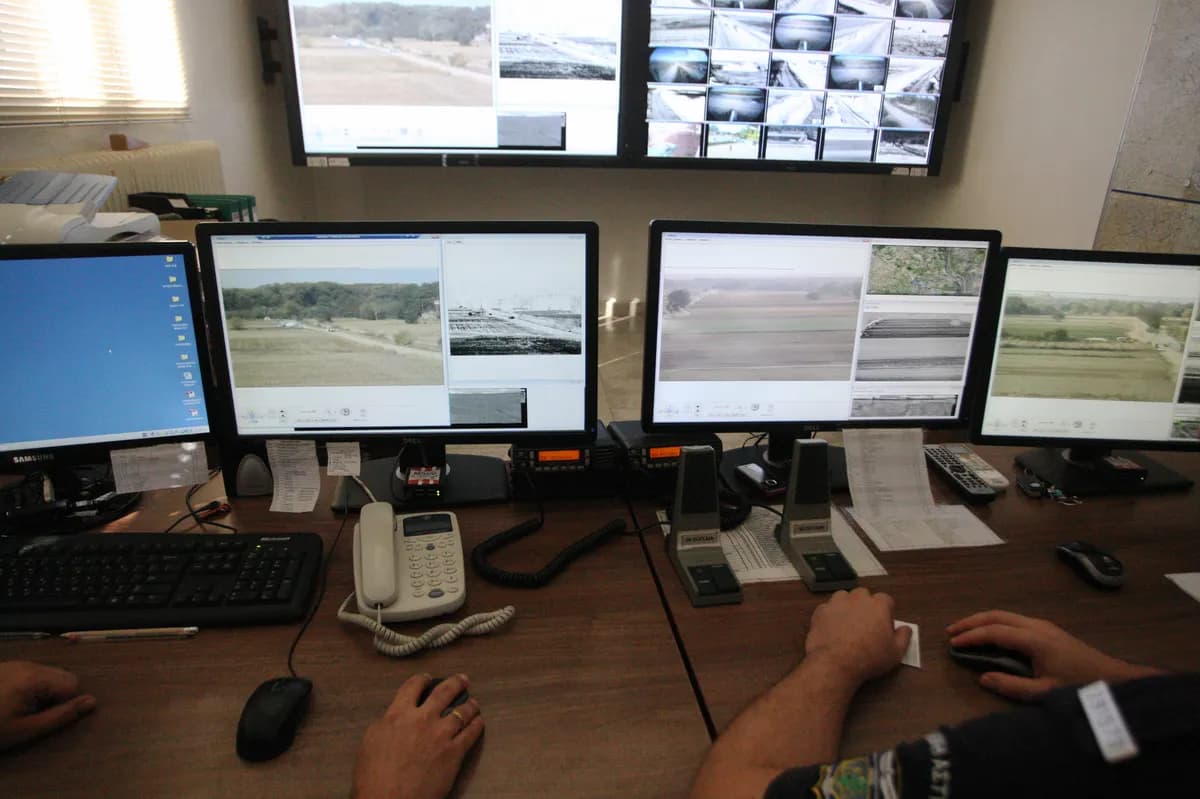
The use of secret surveillance has become more common, with a notable increase in decisions after a legal amendment in 2023, according to official sources. Anneli Hanström, area manager at the Prosecution Authority, links the rise to the amendment that took effect on October 1, 2023, which allows camera surveillance to target individuals rather than specific locations and permits it for preventive purposes. Statistical evidence shows significant growth in surveillance permits.
In 2019, about 16,000 permits were granted for secret surveillance in preliminary investigations, while in 2024, the number was just over 24,000, according to official sources. The absolute largest proportion involves secret surveillance of electronic communication and secret eavesdropping. Secret camera surveillance has also increased sharply, with the number of people subjected to it tripling from 250 in 2022 to 807 in 2024, according to official sources.
Drivers behind this expansion include the general increase in serious violent crime and organized crime in recent years, along with technological advances such as drones, according to official sources. Drug crime is the area where secret cameras are used the most, with 68 percent of those subjected to such surveillance in 2024 suspected of drug-related offenses, according to official sources. The legal amendments have received criticism, with the review body Lagrådet repeatedly criticizing expansions of the law and calling for a review of the regulations, according to official sources.
An investigation is currently underway and will be completed at the earliest in May. Gunnel Lindberg, an investigator, believes that the use of coercive measures will continue to increase and that the law therefore must get a better structure. Case examples demonstrate surveillance effectiveness: a man in Trollhättan was sentenced to five years in prison and deportation in early February for serious drug crime, and a man in Borås was sentenced to three years in prison a few weeks later, also for serious drug crime, according to official sources.
In both cases, the police had installed secret cameras at drug hiding places that captured the individuals handling the drugs.