

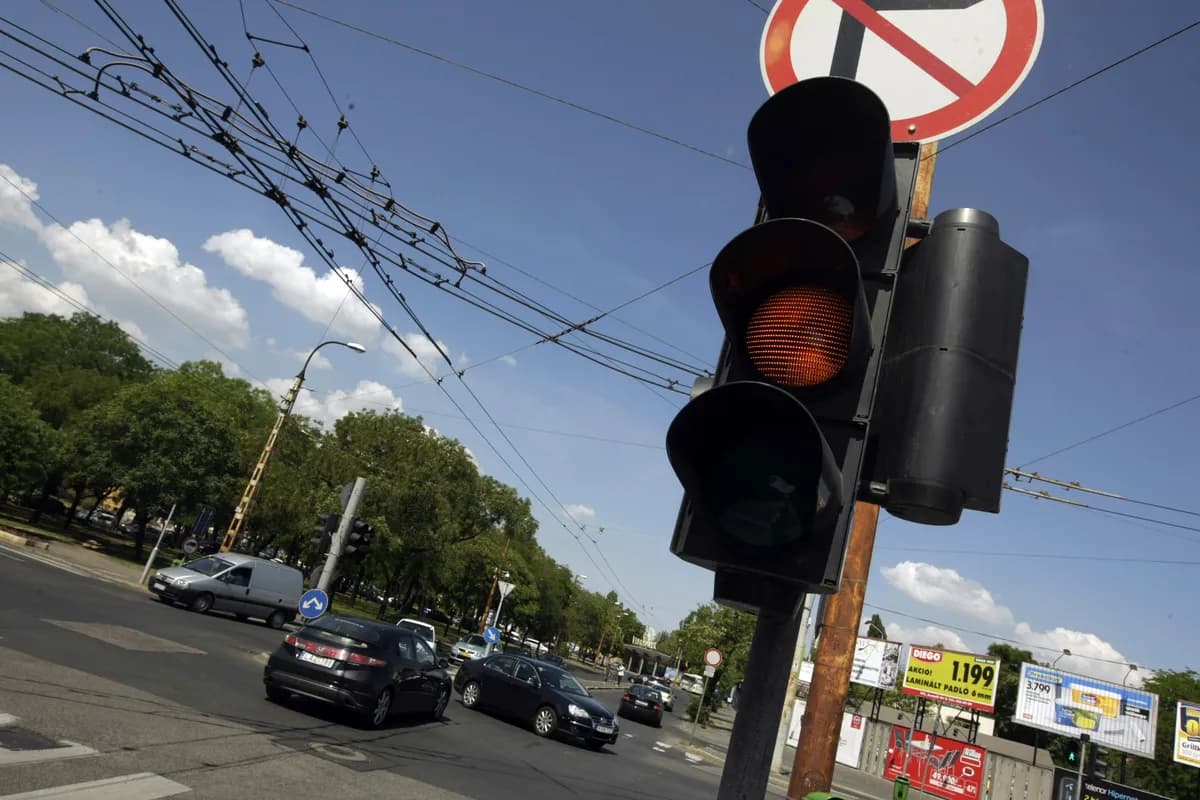
The Green Party's proposed transport policies, including reducing motorway speed limits to 55 mph and increasing fuel taxes, have ignited political controversy, with the Conservatives accusing the party of waging a 'war on drivers'. According to its official policy, the Green Party plans to reduce the speed limit on motorways to 55 mph, a measure aimed at enhancing road safety and environmental benefits. In another official statement, the party confirmed plans to increase road fuel taxes incrementally, which it argues will encourage the transition to more sustainable transport options. Conservative sources have accused Green Party leader Zack Polanski of pursuing a 'war on drivers,' framing the policies as overly restrictive and burdensome for motorists.
Beyond these headline proposals, the Green Party has outlined additional transport policy measures. The party plans to steadily reduce car parking requirements by amending and enforcing planning rules, as per its official policy, to discourage car dependency in urban areas. Furthermore, according to Green Party policy, drivers would be required to retake stricter and more comprehensive driving tests every five years, a move intended to ensure ongoing competency and safety awareness among all road users.
I am not aware of that policy. It may or may not be one of our policies chosen by members which goes through a conference process and is then voted in. I am not sure about that.
Internal confusion has emerged within Green Party leadership regarding these proposals. According to her statements, Green Party Deputy Leader Rachel Millward was not aware of the party's plans to reduce motorway speed limits to 55 mph, suggesting potential miscommunication or ongoing internal discussions about policy details. This lack of awareness highlights possible divisions or evolving stances within the party as it navigates the rollout of its transport agenda.
In defense of its policies, the Green Party argues that its transport measures are evidence-based steps to reduce road traffic accidents and save drivers money on fuel, according to Green Party statements. The party emphasizes that lower speed limits can lead to fewer collisions and improved fuel efficiency, though specific supporting data has not been publicly disclosed. This defense aims to counter criticism by positioning the policies as practical and beneficial for public safety and economic savings.
It is certainly not one of our leading policies at this point. There are policies that have been developed over time through the party. But it is not something we are campaigning on in this election.
Contrasting sharply with the Green Party's approach, Restore Britain proposes raising motorway speed limits to 80 mph, according to multiple reports. This policy reflects a different vision for transport regulation, focusing on increasing efficiency and reducing travel times rather than imposing stricter controls. The divergence between these parties underscores the broader political debate over how best to manage road safety and driver freedoms.
The debate over speed limits and driver regulation is not new in British politics, but recent proposals from the Green Party and Restore Britain have intensified discussions. Historically, such issues have sparked public and political contention, balancing safety concerns with individual liberties. The current proposals add fresh urgency to these long-standing tensions, prompting renewed scrutiny of how transport policies impact daily life and environmental goals.
On major roads outside of built up areas, the maximum speed limit allowed would be 55mph, to maximise the efficiency of fuel use as well as improving safety.
Several unknowns persist about the Green Party's policy details and implementation. Whether the Green Party's plans to reduce motorway speed limits to 55 mph have been formally adopted or are still under discussion remains unclear, as internal statements like Millward's suggest ongoing deliberation. Additionally, the timeline for implementing measures like increased fuel taxes and reduced parking requirements has not been specified, leaving questions about how quickly these changes might affect drivers.
Further unknowns relate to the evidence supporting Green Party claims. What specific evidence the Green Party cites to support its claim that reducing speed limits to 55 mph would improve safety and fuel efficiency has not been publicly disclosed, raising questions about the basis for these assertions. Similarly, the party has not detailed how it plans to enforce the proposed five-year driving tests or assess their impact on road safety outcomes.
The Green Party would increase road fuel tax incrementally.
Uncertainty also surrounds Restore Britain's policy status. Whether Restore Britain's proposal to raise motorway speed limits to 80 mph has been formally adopted as party policy is also unknown, as reports indicate it may still be in the proposal stage. This lack of clarity adds to the fluid nature of the transport policy landscape, with parties potentially refining their positions in response to public and political feedback.
The implications for drivers and the political landscape are significant if these policies are enacted. For drivers, the Green Party's proposals could mean lower speed limits, higher fuel costs, and more frequent testing, potentially increasing travel times and expenses. Politically, these measures could reshape electoral dynamics, with parties like the Conservatives leveraging the 'war on drivers' narrative to attract voter support, while the Green Party aims to appeal to environmental and safety-conscious constituencies.
The Green Party would amend and enforce planning rules to steadily reduce car parking requirements.
Reactions and political fallout have been swift, with the Conservatives leading the charge against the Green Party. The accusation of a 'war on drivers' has resonated in media and public discourse, framing the debate in terms of driver freedoms versus regulatory overreach. As the Green Party defends its evidence-based approach, the ongoing controversy highlights the challenges of implementing ambitious transport reforms in a polarized political environment.