

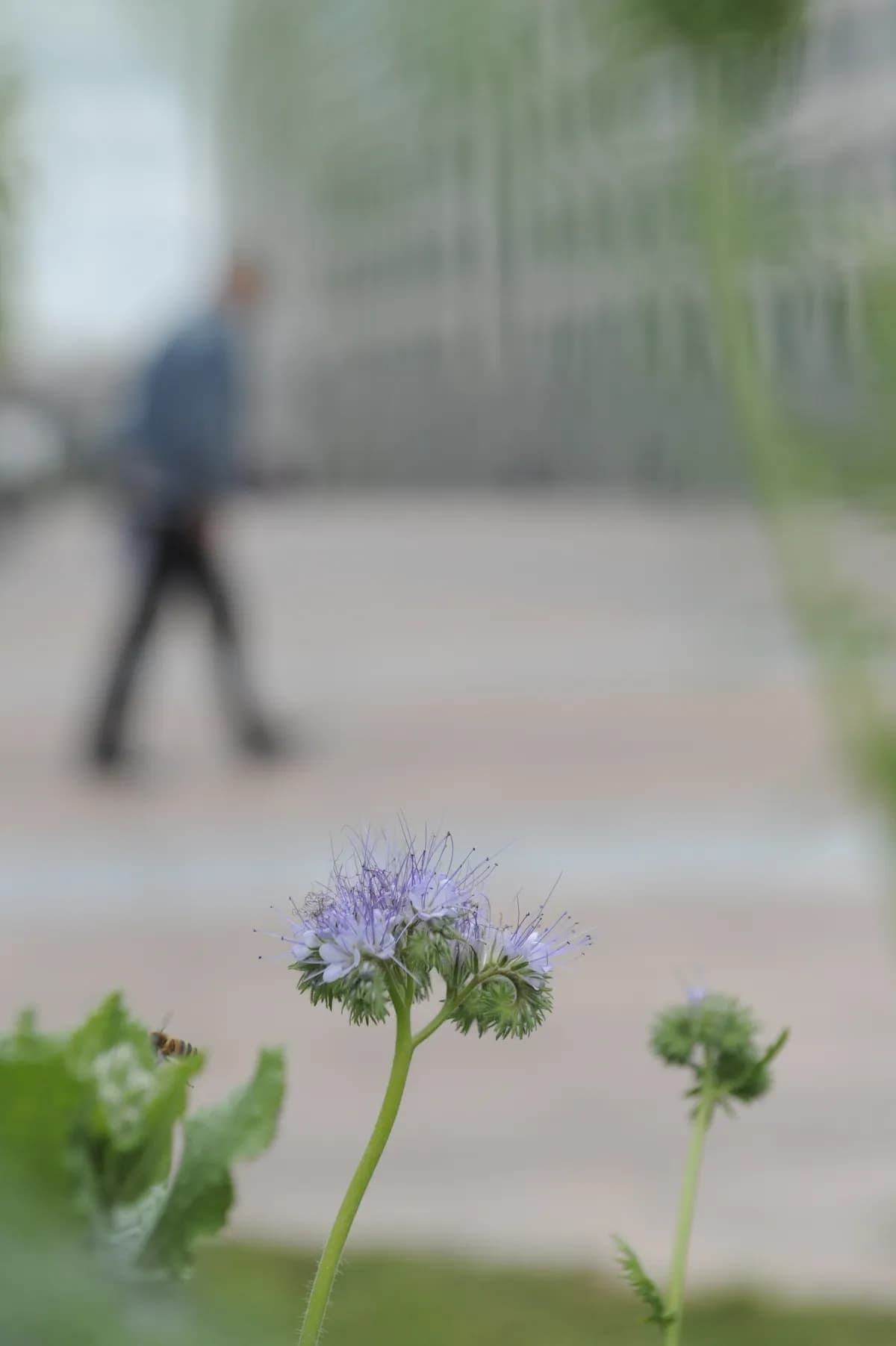
According to Göteborgs stad, the change means grass will be allowed to grow tall enough to bloom, turning lawns into herb-rich meadows that benefit pollinators. Dead plant material will be removed to create a nutrient-poor environment where herbs and meadow flowers thrive. Over time, the lawns will gain several new species that self-seed.
The conversion will occur on a small scale across all of Gothenburg. In the Majorna/Linné district, 25% of all lawns will be reclassified. The resulting meadows will look very different depending on what is in the soil, the municipality said.
Anna Gebo, Park Planning Manager, said the city wants to create green areas that are both beautiful and ecologically sustainable. "When lawns are allowed to bloom, bees, butterflies and many other species benefit while the urban environment becomes more vibrant and varied for Gothenburg residents," she said. She added that while each individual grass area may not have many different plants, together they form a coherent flower infrastructure for pollinators across the city.
It is not yet known which specific grass areas in Majorna/Linné will be reclassified or how long the transformation will take. The total area of grass being converted across Gothenburg has not been disclosed.