

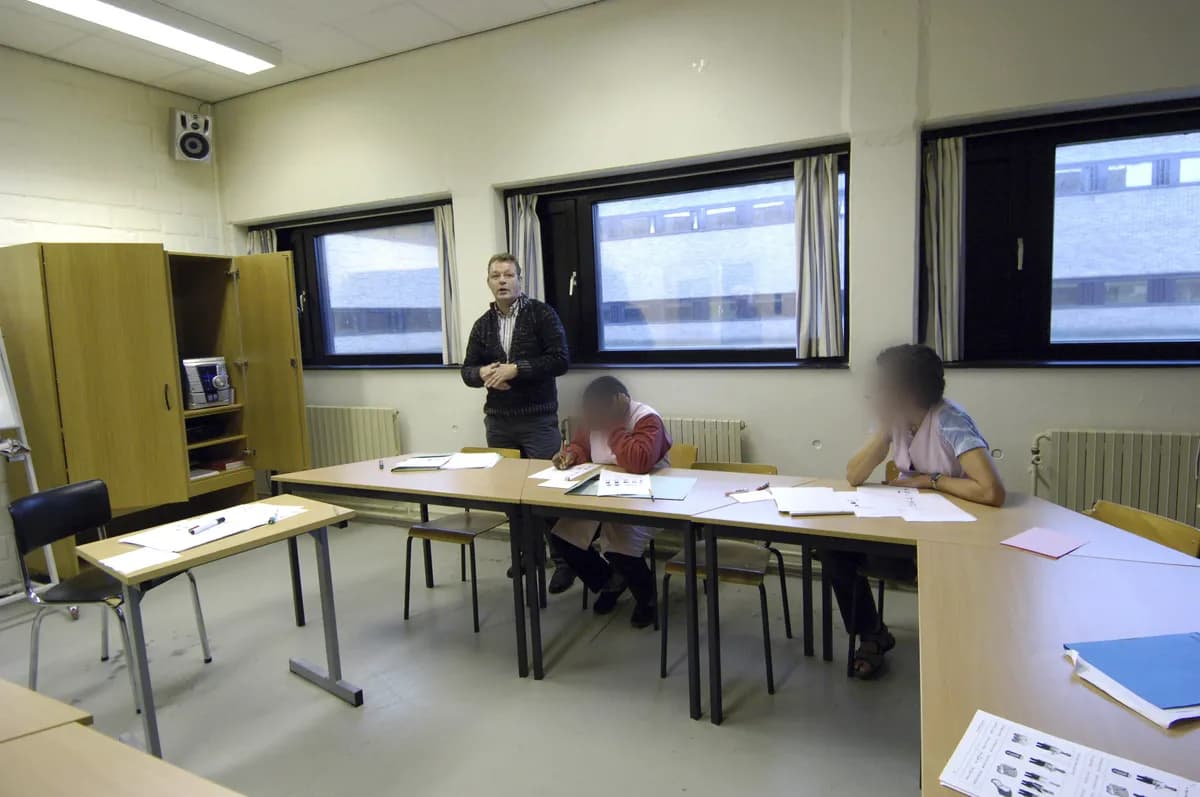
According to Göteborgs stad, unit manager Liselott Larsson in the southwest gained new insights about the heavy responsibility on managers and the extent of the employer's obligations. She described the importance of clarity in the division of responsibilities between unit manager and HR. She also noted the importance of keeping pace in cases and working structurally in sick leave processes. After the trainings, she reads medical certificates more consciously and understands better what to pay attention to. She also emphasized the importance of persisting in processes and not letting cases drag out unnecessarily, acknowledging that many cases take time. She has become better at using HR as support and feels more confident in her assessments.
As a concrete example, she now knows how to upload a plan for return to work on the Swedish Social Insurance Agency's website. According to the city, she believes her employees get a manager who is more on top of these issues. She recommends others take the trainings because they are practical and not just theoretical. The exchange of experiences with other managers was important, and the trainers were engaged and knowledgeable.
It is difficult to point out a single insight, but an important part for me was the clarity regarding the division of responsibilities between unit manager and HR. Each training began with this, which gave a better understanding of both mandate and support. At the same time, it became clear how much responsibility we as employers actually have, which I also experienced as quite heavy.
The specific names of the programs have not been disclosed, and it is unclear how many managers have participated so far.
Another important insight I take with me is the importance of keeping pace in cases. Working structurally and in the right phase in sick leave processes – not postponing cases even when they feel complex.
I have always been careful to read medical certificates, but after the trainings I feel I do it in a more conscious and in-depth way. I understand better what to pay attention to and how to connect the content to work ability and possible adaptations. I have also become better at using HR as support, not just when something has stalled but also to bounce ideas along the way. That makes me feel more confident in my assessments.
A pretty concrete example is that I now actually know how to upload a plan for return to work on the Swedish Social Insurance Agency's website – I hadn't done that before. It may sound like a small thing, but it helps a lot in practice.
It's hard to answer, but hopefully my employees get a manager who is more on top of these issues and who doesn't wait too long to act. For me, it's a lot about persisting in the processes – tackling what needs to be done and not letting cases drag out unnecessarily. At the same time, it's a challenge, because many cases actually take a long time and require persistence. But precisely for that reason, I think it's important not to let go, but to keep working so that it still moves forward, even when it's slow.
Go for it! I definitely think they are worth taking, precisely because they are so practical and not just theoretical. The exchange of experiences with other managers was also an important part. And I have to say that the trainers did a lot – they were engaged, knowledgeable, and genuinely interested in our reality, which made it feel relevant.