

The war in Iran and the effective closure of the Strait of Hormuz have plunged global energy markets into deep uncertainty, disrupting critical oil and gas flows, according to research from eight sources. Energy shipments from the Middle East have been at a standstill following Iran's threats to attack vessels that pass through a critical trade waterway as retaliation against US-Israeli strikes, based on research from two sources. The United States announced a new deployment of 3,000 troops to Saudi Arabia to help bolster the kingdom's defenses following the Sept. 14 attack on its oil facilities, which Washington and Riyadh have blamed on Iran, according to the Pentagon. The conflict in the Middle East has crimped oil and natural gas flows through the Strait of Hormuz, reducing global supply by about one-fifth, research from eight sources indicates.
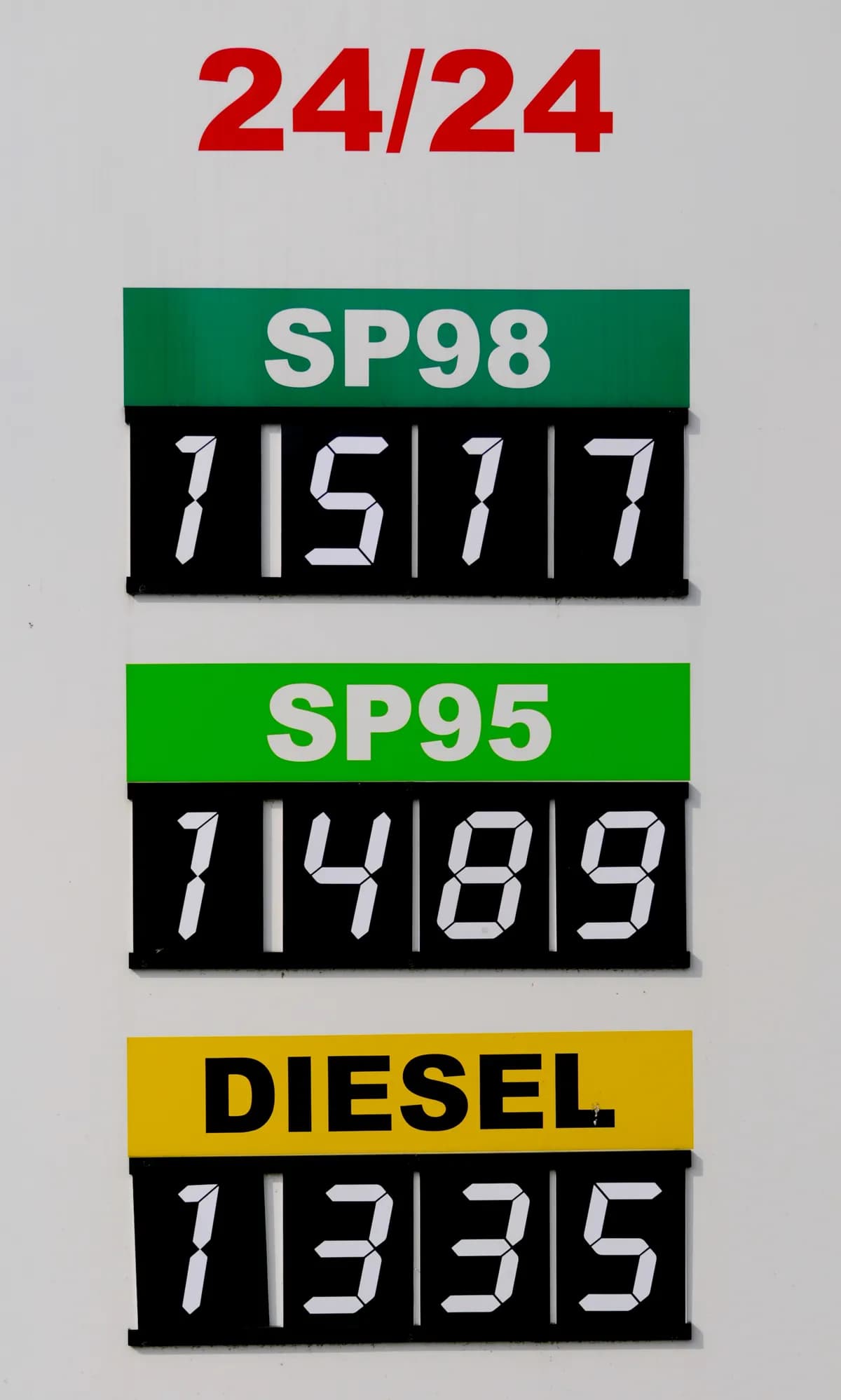
Oil prices have at points soared to close to $120 (£90) a barrel due to the conflict, according to research from two sources. The upheaval across commodities and manufacturing is putting upward pressure on global inflation and weighing on economic growth, research from eight sources shows. Countries have begun releasing a historic amount of oil from emergency stockpiles to offset the war’s impact, based on research from eight sources. The disruption has sent fuel prices soaring and squeezed supplies of petrochemicals needed to make everyday items like shoes, clothing and plastic bags, research from eight sources reports.
Southeast Asia faces fuel shortages and rationing that threaten industrial activity due to the conflict, according to research from eight sources. The impact is so far most evident in Asia, which accounts for more than half of the world’s manufacturing and is heavily reliant on imports for oil and other commodities, research from eight sources indicates. The blockade has led to a global oil shortage which has rocked Gulf-reliant Asian countries hard, with the Philippines mandating four-day work weeks to save fuel, and Indonesia seeking ways to avoid burning through reserves that will last just weeks, based on research from two sources. Governments across Asia are taking action in response to fuel shortages, such as Japan relaxing coal regulations, Vietnam suspending a green tax, and India lowering excise duties on fossil fuels, according to research from eight sources.
In South Korea, the government has encouraged event organizers to minimize use of disposable items due to panic-buying of trash bags, research from eight sources shows. Taiwan has started a hotline for manufacturers that have run out of plastic, while its rice farmers may hike prices because they can’t get vacuum-sealed bags, according to research from eight sources. In Japan, the oil crisis has sparked fears that patients with chronic kidney failure won’t be able to get treatment due to a lack of plastic medical tubes used in hemodialysis, based on research from eight sources. Malaysian glove manufacturers say a dearth of a petroleum byproduct needed to make rubber latex is threatening global supplies of medical gloves, research from eight sources indicates.
Fuel shortages are forcing airlines to cancel hundreds of flights, and ferry services, public and private transport are also being affected, with fuel purchase limits introduced in several locations, according to research from eight sources. Cross-channel ferries from Northern Ireland will no longer sail to Stranraer in Scotland from Monday, ending a historical link that lasted for around 150 years, based on research from two sources. The need to shorten the route to save fuel and the demand for bigger ships means that the shallow channel down Loch Ryan to Stranraer is no longer viable, research from two sources shows. According to Aftonbladet, the war between the USA and Iran is having consequences for Stena Line's ferry traffic to Germany.
China is managing domestic stockpiles while balancing exports to key trading partners, exposing vulnerabilities across its supply chains, according to research from eight sources. China sits in a better position than its neighbours after years of statecraft that have prepared it for a global energy crisis, based on research from two sources. China uses an estimated 15 to 16 million barrels of oil daily, according to various market analysts. Gulf countries are a major source of the oil China ships in, with barrels from Saudi Arabia and Iran accounting for more than 10% of its imports each, according to the US Energy Information Administration (EIA). Russian oil accounts for nearly a fifth of China's energy imports, making Moscow by far Beijing's biggest oil supplier, despite sanctions from the US and Europe, research from two sources indicates. Coal is the dominant source of power for most of China's electricity, and China is the world's largest coal producer, accounting for more than half of global production, based on research from two sources.
Europe is confronting soaring energy costs that strain households and industry, heighten inflationary pressures, and force policymakers to trade off short-term relief with long-term transition goals, according to research from eight sources.
Africa grapples with higher fuel and fertilizer prices that exacerbate food insecurity, even as the conflict opens opportunities for oil, gas and infrastructure investment, based on research from eight sources.
The crisis is creating new opportunities for energy producers across the United States, Canada, Brazil, and Guyana to expand production and attract investment as demand for secure, diversified supply intensifies, according to research from eight sources.
Iran has gradually scaled back its nuclear commitments since May after the U.S. pulled out of the deal and has called on European parties to the pact to salvage the deal by shielding Iran's economy from US penalties, research from eight sources shows. According to Hassan Rouhani, Tehran would continue to scale back its commitments to the 2015 nuclear agreement until the European Union fulfills promises it made under the deal. He also stated that Iran would start working on a more advanced uranium enrichment centrifuge. Rouhani added that diplomacy was the way to solve differences, and ending the war in Yemen will pave the ground for de-escalation in the region and could eventually lead to de-escalation between Iran and Saudi Arabia. According to Imran Khan, Pakistan will do its utmost to enable talks between arch regional rivals Iran and Saudi Arabia.
Hundreds of Stena Line staff in the UK and Ireland are being furloughed or made redundant due to the impact of coronavirus, according to research from eight sources. This disagreement suggests that Stena Line's operational challenges may be attributed to different factors, with research indicating furloughs are due to COVID-19, while Aftonbladet reports consequences from the Iran conflict, affecting public understanding of the primary pressures on the company and the broader transportation sector.
Stena Line will build what the company claims will be the world's most fuel efficient RoPax ferries, with four new vessels to be delivered through 2019 and 2020, according to Stena Line. The new vessels will be optimized for efficiency and flexibility, feature main engines that will be 'gas ready', and will be able to be fueled by either methanol or liquefied natural gas, research from eight sources indicates.
Riskline published 1,924 real-time alerts on the Iran conflict between 28 February and 13 March, surpassing levels seen during the 2020 pandemic, according to research from eight sources.
The duration of the Strait of Hormuz closure remains uncertain, and diplomatic mediation efforts, such as those mentioned by Pakistan, have unclear outcomes. Broader shipping impacts beyond Stena Line and specific economic projections for global inflation and growth are not yet fully quantified.
Further unknowns include the extent to which other global ferry and shipping companies are affected by the Iran conflict and fuel shortages, and what specific measures Stena Line might take to mitigate impacts on its German ferry traffic.