

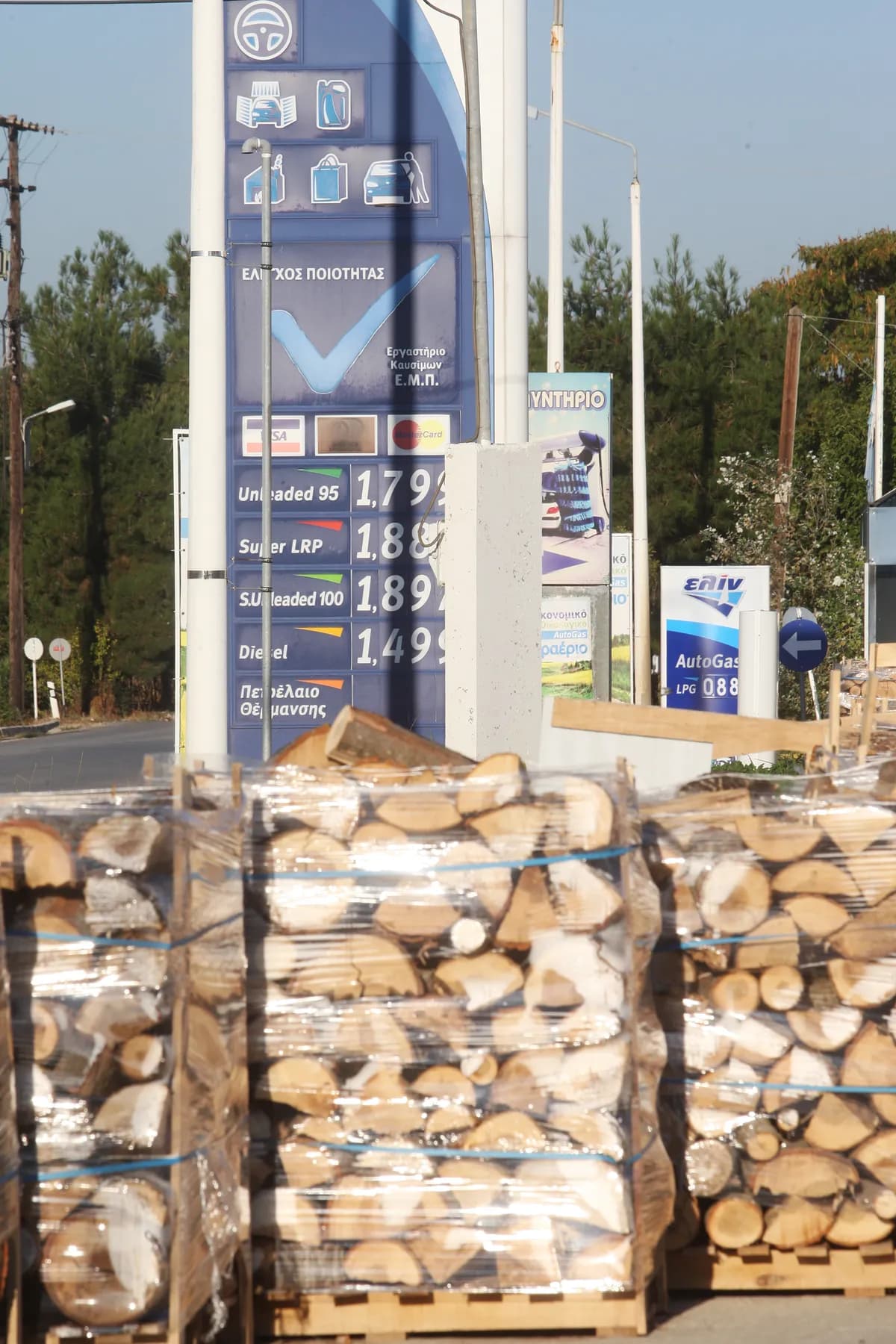
According to major media reports, G7 finance ministers discussed a coordinated release of emergency oil reserves on Monday but failed to reach an agreement. The G7 was exploring a coordinated release of emergency oil reserves to tamp down fears of an impending shortage. Japan's finance minister Satsuki Katayama said the International Energy Agency (IEA) explicitly requested the coordinated release during the G7 meeting.
France's Roland Lescure said the G7 was 'not there yet' on a deal for coordinated release of emergency oil reserves. Roland Lescure said the G7 agreed to use all necessary instruments to stabilize the market, including a possible release of necessary stockpiles. A release of oil reserves is conceivable in the coming weeks.
G7 has rejected a release of their oil reserves for now due to rising energy prices as a result of the Iran war. The war drove the oil price to its highest level since July 2022 and sent stock markets worldwide into a downturn. 50 a barrel on Monday morning, its highest level since 2022.
A barrel of Brent crude rose by up to 29% to around $120 (about 104 euros) overnight. Oil prices jumped roughly 25% since Friday as the Iran war intensified. At the time of writing, oil prices pared gains and are trading slightly below $100 a barrel.
Short term oil prices, which will drop rapidly when the destruction of the Iran nuclear threat is over, is a very small price to pay for U.S.A., and world, safety and peace.
The central worry for financial markets since the war with Iran began has been how high oil prices will go and how long they will stay there. High oil prices raise the possibility of stagflation for the global economy. Stock markets fell worldwide on concerns the global economy would not be able to absorb a sustained oil price shock.
3% at the open on Monday, coming off its worst week since October. 2% lower at the open on Monday. 8% on Monday.
4% and Williams-Sonoma dropped 4% on Monday. 2%, and Europe's Euro Stoxx 50 tumbled 1% on Monday. Fear of supply bottlenecks, rising inflation, and higher interest rates caused investors to flee stocks and drive them into the safe-haven US dollar.
15% on Monday. Due to the fighting in Iran, tankers continue to avoid the Strait of Hormuz, which is important for oil transport. Saudi Arabia, the world's largest oil exporter, is increasing its deliveries via the Red Sea, but the quantities are far from sufficient to compensate for the losses.
President Donald Trump assured that high oil prices at the moment are both worth the cost and only temporary.