

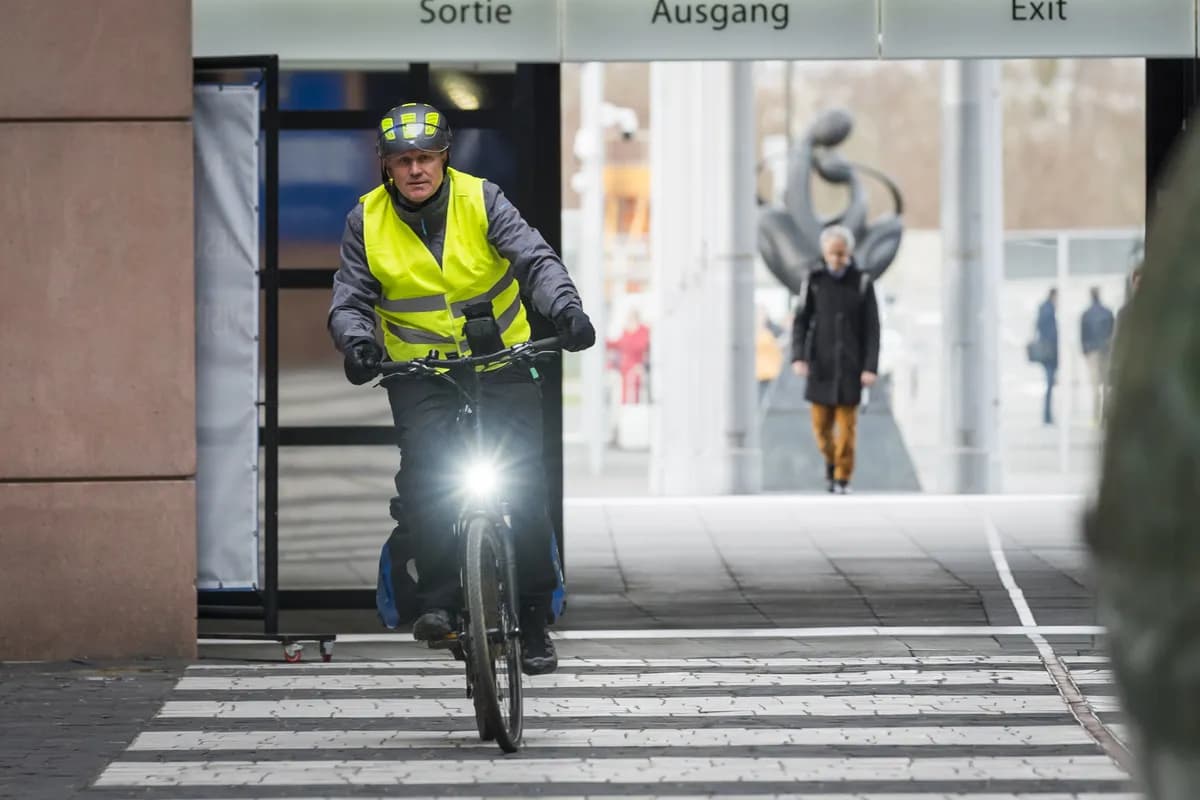
Almost a third of British drivers are now choosing to walk or cycle more frequently in response to soaring fuel prices, according to a YouGov poll, though other data suggests the figure could be as high as 80%. The shift comes as petrol and diesel prices remain significantly higher than before the conflict in the Middle East began on 28 February.
The YouGov poll, which surveyed 2,099 UK adults between 31 March and 1 April, found that nearly a third of motorists have increased walking or cycling due to rising fuel costs. However, a separate report cited by GB News claims that four out of five motorists have already changed their habits as petrol prices continue to climb. The discrepancy between the two figures highlights the difficulty in measuring the true scale of the response to fuel price increases.
According to the YouGov data, a litre of petrol is now 25p more expensive, and diesel 49p more, compared to 28 February, when US and Israeli airstrikes on Iran triggered a surge in global oil prices. The conflict in the Middle East has kept prices elevated, with petrol and diesel remaining significantly higher than pre-conflict levels. The survey methodology involved 2,099 UK adults, providing a snapshot of consumer behavior during a period of economic strain.
Driving less and increasing walking or cycling was a more common response to cost-of-living pressures than other measures, the YouGov poll indicated. Other measures include going out less (27%), using public transport instead of driving (23%), cutting back elsewhere to afford fuel (19%), and car-sharing (9%). This suggests that active travel is a primary adjustment for many households facing higher costs.
Cycling UK is urging the UK and devolved governments to implement an urgent package of measures to facilitate greater walking and cycling. The organization suggests initiatives such as financial support to improve access to bicycles and e-bikes, and efforts to enhance road safety. Sarah Mitchell, Chief Executive of Cycling UK, said in a press release that people need affordable travel options, including alternatives to driving, especially for those who cannot keep up with rising costs. She added that such measures would protect people exposed to rising fuel costs during crises and allow them to continue everyday journeys.
In addition to those who have already changed their habits, 15% of motorists are actively considering making the switch to active travel, according to the YouGov poll. This indicates that the trend may continue if fuel prices remain high. The combination of current and potential future shifts could have significant implications for transport policy and urban planning.
The exact methodology of the GB News study that reported 80% of motorists changing habits is unclear, and it is not known how that figure compares to the YouGov data. Additionally, the specific measures included in Cycling UK's proposed package have not been detailed, and the timeline for the UK government's response remains uncertain. It is also unclear whether the fuel price comparisons are adjusted for inflation, which could affect the perceived impact on consumers.