

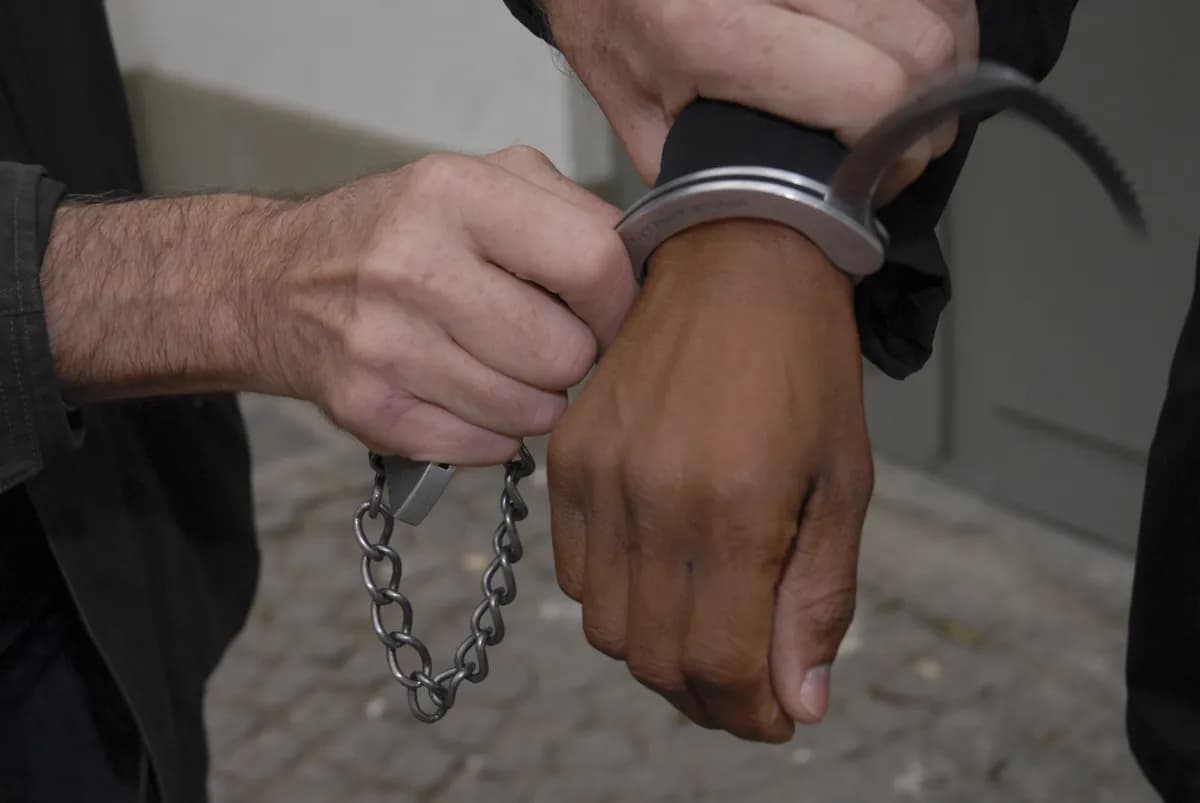
On March 6, 2026, the Paris Court of Appeal ordered the release of rapper Naps under judicial supervision, without requiring the payment of bail, according to court documents. This decision comes after his conviction on February 19 to seven years of imprisonment by the Paris Criminal Court for acts of rape, as reported in legal filings. The artist, a Marseille figure in French rap, was found guilty of assaulting a 24-year-old woman in a Paris hotel room in October 2021, court records indicate.
The judges retained the absence of consent from the victim, who stated she was awakened by the pain of the act while she was sleeping, according to trial proceedings. Throughout his trial, Naps categorically contested these accusations, media reports state. The rapper, known for songs like 'La Kiffance' and followed by several million people on digital platforms, will remain subject to a strict framework imposed by the justice system pending his new trial, as per court orders.
The specific conditions imposed under the judicial supervision for Naps have not been disclosed. His lawyers welcomed a measure that seems to them in line with the principles of criminal procedure, the artist having filed an appeal, they said in statements. They recall that at this stage, their client benefits from the presumption of innocence and intends to demonstrate his innocence before the appeal court, according to their comments.
The appeal trial has not yet been scheduled. Naps plans to present evidence and arguments to demonstrate his innocence in the appeal, though details of this strategy are not public. The current status or response of the victim in this case is unknown.
Public or media reactions to the decision by the Paris Court of Appeal have not been reported. Judicial supervision typically involves restrictions such as regular check-ins with authorities, travel limitations, or prohibitions on contacting certain individuals, though the exact terms for Naps remain unspecified. This legal mechanism is often used in French courts to balance public safety with the rights of defendants awaiting appeal, as seen in similar high-profile cases.
Naps's case has drawn attention due to his prominence in the French music scene, where he has released multiple albums and collaborated with other artists, contributing to his large social media following. The initial trial included testimonies and forensic evidence that supported the conviction, but the appeal process allows for a re-examination of these elements under French law. Legal experts note that appeals in rape cases can take months or years to schedule, depending on court backlogs and procedural complexities.
The lack of bail requirement in this instance may reflect the court's assessment of flight risk or other factors, though such details are not publicly documented. Naps's legal team has emphasized their commitment to challenging the conviction through all available avenues, highlighting the procedural safeguards in the justice system. The outcome of the appeal could influence public discourse on sexual assault cases involving celebrities, though broader societal impacts remain to be seen.