

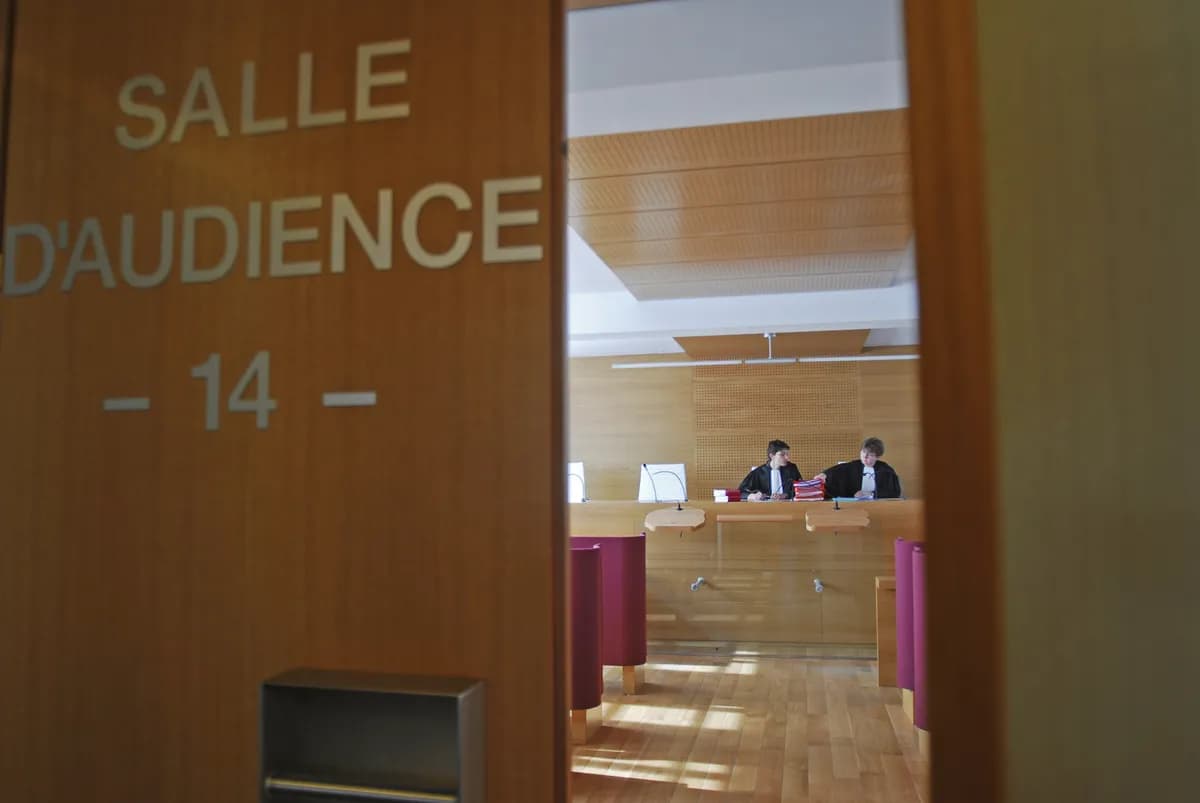
The final chapter in the long-running dispute following the death of footballer Emiliano Sala is set to play out in a French court, with a judge due to decide whether Cardiff City should be compensated by FC Nantes for the loss of the Argentine striker. The battle between Cardiff City and FC Nantes will come to a head in the commercial court in Nantes on Monday, following a hearing in December 2025.
Emiliano Sala, 28, and pilot David Ibbotson died when the Piper Malibu plane carrying them crashed into the English Channel on the night of 21 January 2019. Sala was on his way to join Cardiff City from FC Nantes for a £15m transfer fee, having signed for Cardiff two days earlier. Cardiff City was in the Premier League at the time of Sala's transfer.
Mandated areas of responsibility and a prescribed modus operandi should be put in place in each and every club.
Cardiff City is claiming compensation of more than €120m (£104m) for loss of income and other damages from FC Nantes. The compensation claim is based on the belief that Sala could have kept the club in the Premier League. Cardiff City was relegated to the Championship at the end of the 2018-2019 season and plummeted to League One in April 2025.
In the December 2025 hearing, Cardiff argued that Willie McKay, who booked the flight, was acting on behalf of FC Nantes. FC Nantes denied the claim that Willie McKay was acting on its behalf. FC Nantes has disputed the existence of any wrongdoing on its part, as well as Cardiff's outlined damages.
In terms of movement of players, central to that is money…it's always the case and it's still a little bit of a wild west.
Sala's death shone a light on the opaque world of football transfers and player welfare, as well as on so-called 'grey' and illegal charter flights. It highlighted the high-stakes nature of transfer deals and the pressures on players caught up in them.
Sala's friends have spoken of his uncertainty about the move to Cardiff and the pace at which events unfolded around him. Voice messages which emerged after Sala's death conveyed his sense of unease and confusion.
I'm really quite shocked that not much has been put in place for this but, as we know, football is a complicated world and there needs to be a lot more change than there has been to date.
Lorna McLelland, a former player liaison officer at Aston Villa, said that, despite calls for change after Sala's death, not enough had been done. Most clubs have a player welfare system in place, but there are no set standards for what the role should involve and there is often overlap with the work of agents and intermediaries. Jonathan Booker, a former agent now working in sports mediation, said there had been a flurry of activity in player welfare and duty of care following the tragedy, but this had not been sustained.