

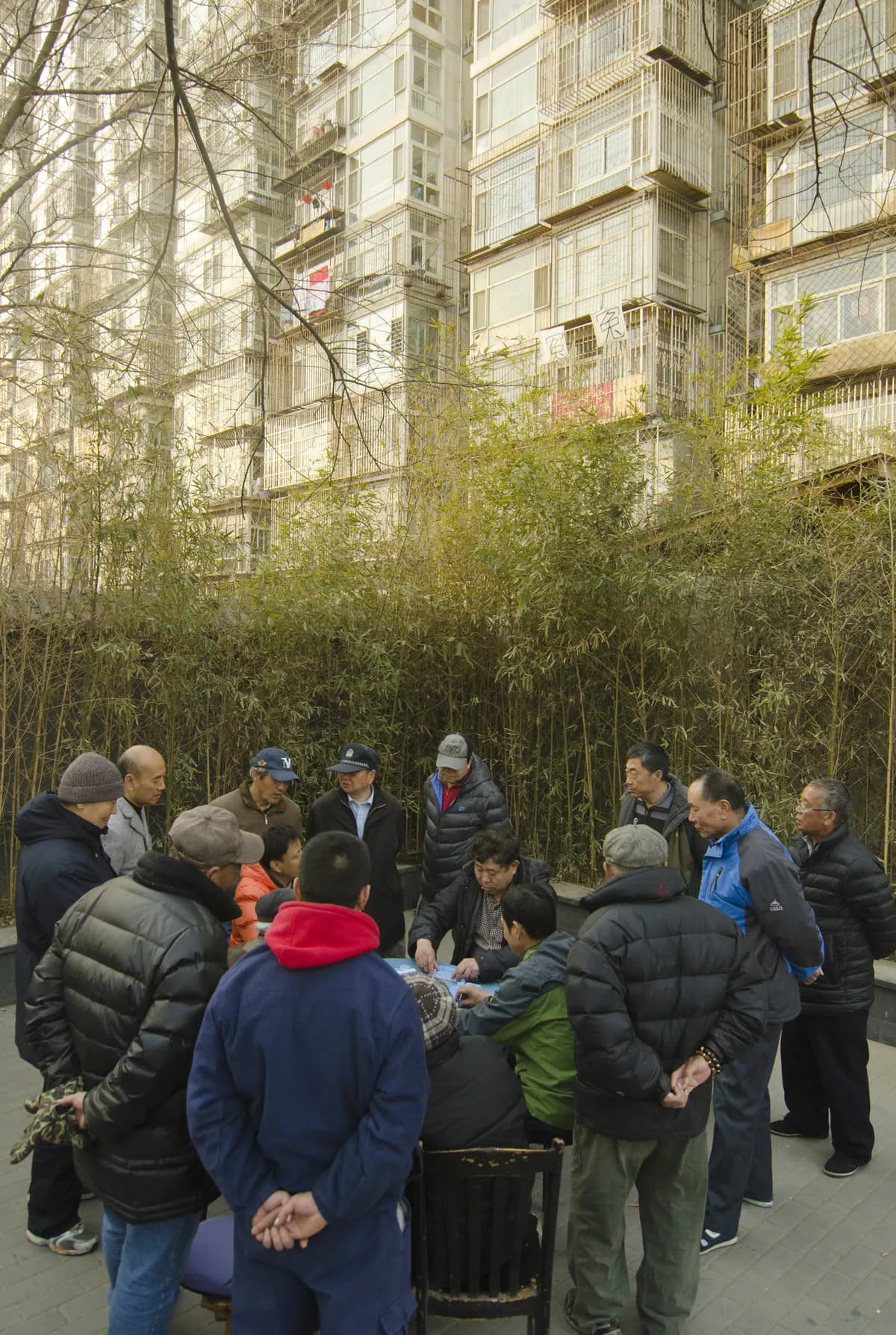
The initiative is being carried out in Växjö, Värnamo, and Emmaboda, where researchers from the Royal Institute of Technology and Linnaeus University will investigate how urban environments can be adapted so that more elderly people can move between important places in their local area. The research will map walking routes near places such as healthcare centers, shops, public transport, and social meeting places, with a central part of the work being to find out where benches make the biggest difference. Many elderly people today limit their movements because there are no opportunities to rest along the way, making even short distances difficult to manage.
Using analysis models, the researchers will identify where benches should be placed to have the greatest effect in relation to important destination points in daily life. Concrete solutions are being developed simultaneously, with architecture students having already started developing prototypes, which will then be manufactured by local carpentry workshops in Småland. The idea is that benches will gradually be placed in the participating municipalities.
The idea for the project came from Kamprad himself. Unknowns include the specific analysis models used, the project timeline, and how success will be measured.