

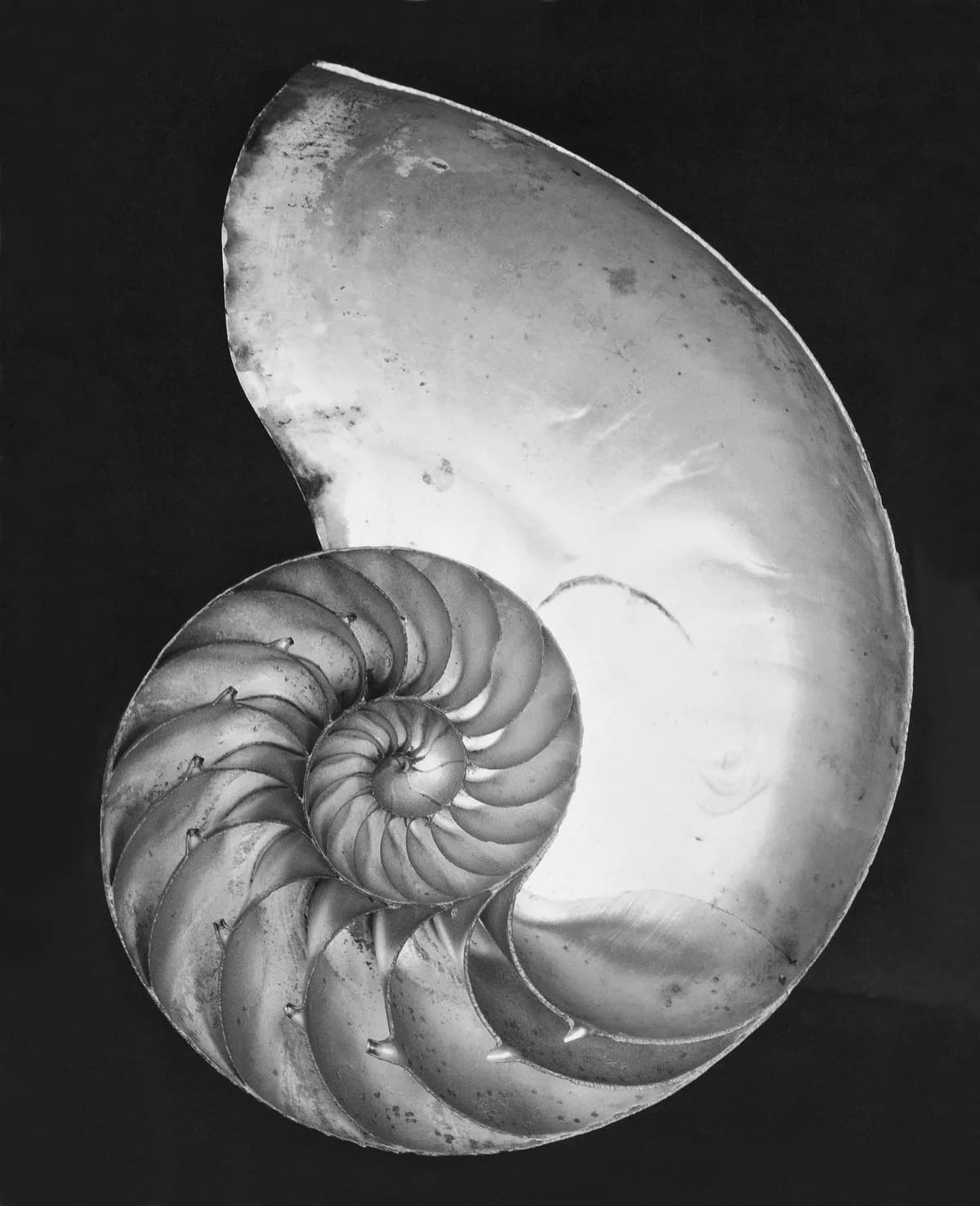
A fossil that held the Guinness World Record as the oldest octopus has been reclassified as a nautilus relative after new imaging revealed features inconsistent with octopus anatomy. The specimen, Pohlsepia mazonensis, was discovered in the Mazon Creek fossil beds of Illinois and preserved in siderite. It was first named in the early 2000s and celebrated as the earliest known octopus, but new research led by Dr Thomas Clements at the University of Reading shows it is likely a nautiloid. The reclassification was made possible by synchrotron imaging, which revealed tiny teeth, known as a radula, that are characteristic of nautiloids. According to Dr Clements, modern techniques such as looking beneath the surface of the rock were used to re-examine the fossil. The study provides the oldest soft tissue evidence of a nautiloid ever found, according to the researchers. Dr Imran Rahman, a co-author, said in an official statement that the soft tissue helps understand what ancient nautiloids looked like. He added that there are still outstanding challenges for interpreting the animal's soft parts. The exact age of the fossil remains uncertain, with estimates ranging from 300 to 310 million years old.
The study was published in the journal Proceedings of the Royal Society B. Dr Thomas Clements is the lead author and a lecturer at the University of Reading. The research team included scientists from the Field Museum and other institutions.
In a separate development, researchers have identified giant octopuses that lived in the Late Cretaceous seas between 72 and 100 million years ago. These octopuses, belonging to the genus Nanaimoteuthis, reached lengths of up to 62 feet (19 meters), according to multiple reports. The largest jaw analyzed was substantially bigger than that of any modern octopus, said Yasuhiro Iba, a researcher at Hokkaido University. The jaws showed extensive wear, indicating active carnivory and advanced intelligence. The octopuses had powerful jaws that could crush hard shells and bones, and they may have been competitors to marine reptiles and sharks, according to multiple reports. The octopuses ranged from 7 to 19 meters (23 to 62 feet) in length.
Two new species were identified: Nanaimoteuthis haggarti and Nanaimoteuthis jeletzkyi, according to multiple reports. Nanaimoteuthis haggarti grew up to 62 feet (19 meters) and Nanaimoteuthis jeletzkyi up to 26 feet (8 meters). The fossils were found in Japan and Canada's Vancouver Island. However, some sources mention only the genus Nanaimoteuthis without specifying species, indicating possible taxonomic uncertainty.
Researchers used digital fossil mining, including 3D scanning and artificial intelligence, to analyze 27 jaws, according to multiple reports. However, there is a discrepancy in the number of jaws analyzed: some sources say 15 fossil jaws were re-examined, while others say 27 jaws were analyzed, including 12 from Japan using digital mining. The study was published in the journal Science, according to multiple reports.
The reclassification of Pohlsepia and the discovery of giant octopuses together reshape the timeline of cephalopod evolution. The giant octopuses were intelligent and may have been competitors to marine reptiles and sharks. The exact species names of the giant octopus fossils remain unclear, as only one source names them. It is also unknown whether the giant octopuses actually preyed on marine reptiles like mosasaurs or simply competed with them. The specific imaging techniques used to reclassify Pohlsepia are also not fully detailed, though synchrotron imaging was key.