

A University of Reading research team discovered tiny teeth within the fossil, proving it was not an octopus. They found a radula, a ribbon-like feeding structure with rows of teeth only found in molluscs, containing at least 11 tooth-like elements per row. The shape and number of these radula elements ruled out an octopus entirely. According to lead author Dr. Thomas Clements, the world's most famous octopus fossil was never an octopus at all.
Scientists used synchrotron imaging, a technique employing beams of light brighter than the sun, to search inside the rock and reveal the fossil's true nature. This modern technique showed what was beneath the surface of the rock, finally cracking the case. The process was likened to giving a 300-million-year-old suspect a modern forensic examination. Clements noted that scientists identified Pohlsepia as an octopus 25 years ago, but using modern techniques showed what was beneath the surface of the rock, which finally cracked the case.
The fossil, Pohlsepia mazonensis, was first analyzed in a publication from 2000. Scientists originally thought it showed eight arms, fins, and other features typical of an octopus. This identification pushed back the known history of octopuses by approximately 150 million years and even featured in the Guinness Book of Records. The fossil was later used in studies of how octopuses and their relatives evolved.
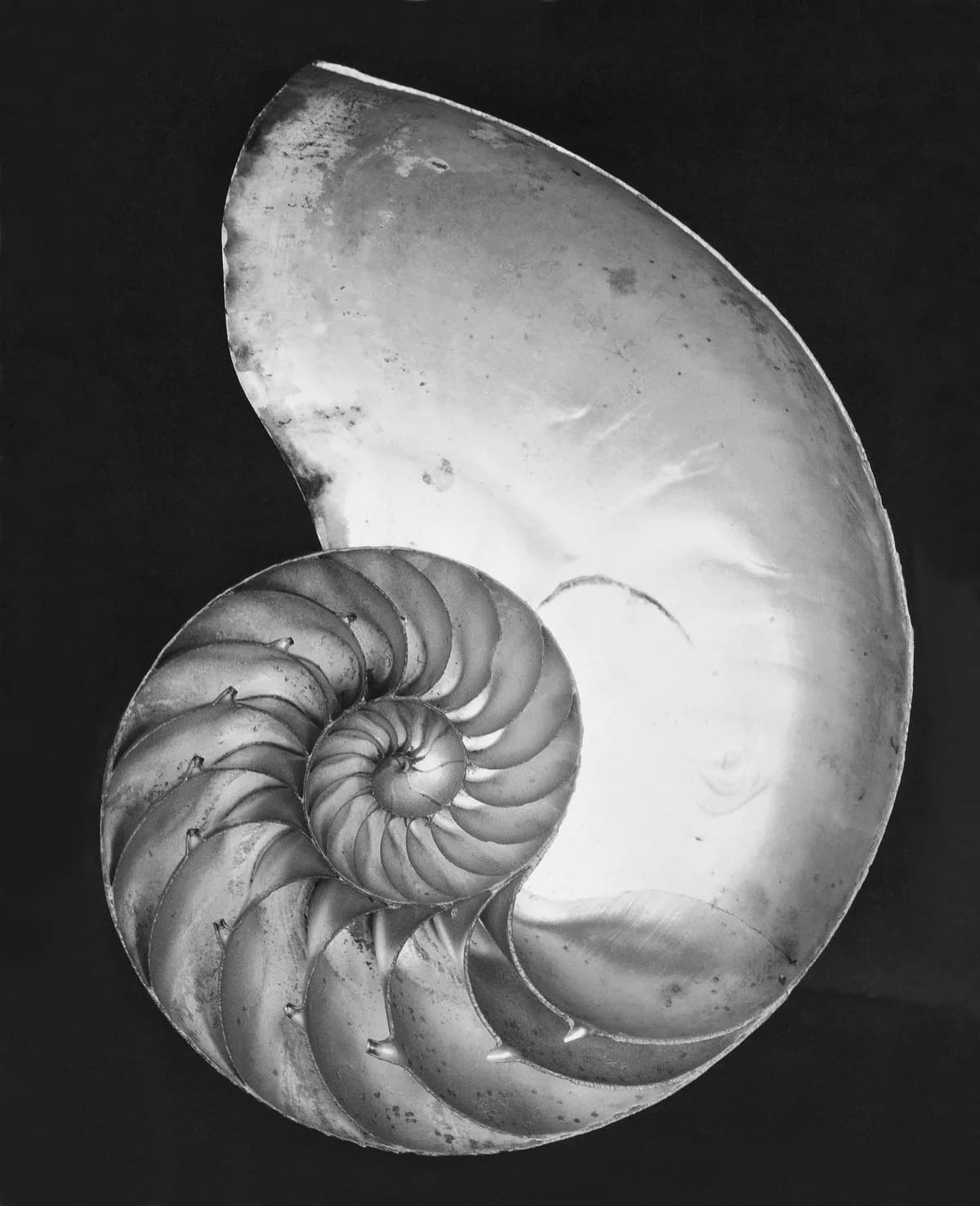
Pohlsepia mazonensis is now understood to be most closely related to a modern nautilus, which is a multi-tentacled animal with an external shell. The fossil provides evidence of the oldest nautiloid soft tissue preservation known in the fossil record. This revelation solves a long-running puzzle in the understanding of octopus evolution that has confused scientists for decades. Clements explained that it was a nautilus relative that had been decomposing for weeks before it became buried and later preserved in rock, and that decomposition is what made it look so convincingly octopus-like.
The fossil's true nature was hidden because of decay before fossilization began. Doubts had been raised about the identification for years, but without a clear way to test them until recently. Sources indicate the fossil is an entirely new species.
Researchers say we now have a much clearer picture of when octopuses actually first appeared on Earth. The fossil record corrections mean the record-holding 'oldest octopus' should be quietly removed from the Guinness Book of Records. Clements added that we now have the oldest soft tissue evidence of a nautiloid ever found, and a much clearer picture of when octopuses actually first appeared on Earth.
This case highlights how reexamining controversial fossils with new techniques can reveal tiny clues leading to significant discoveries. According to Clements, sometimes reexamining controversial fossils with new techniques reveals tiny clues that lead to really exciting discoveries. The fossil was found in Illinois, and the study was published in Proceedings of the Royal Society B.