

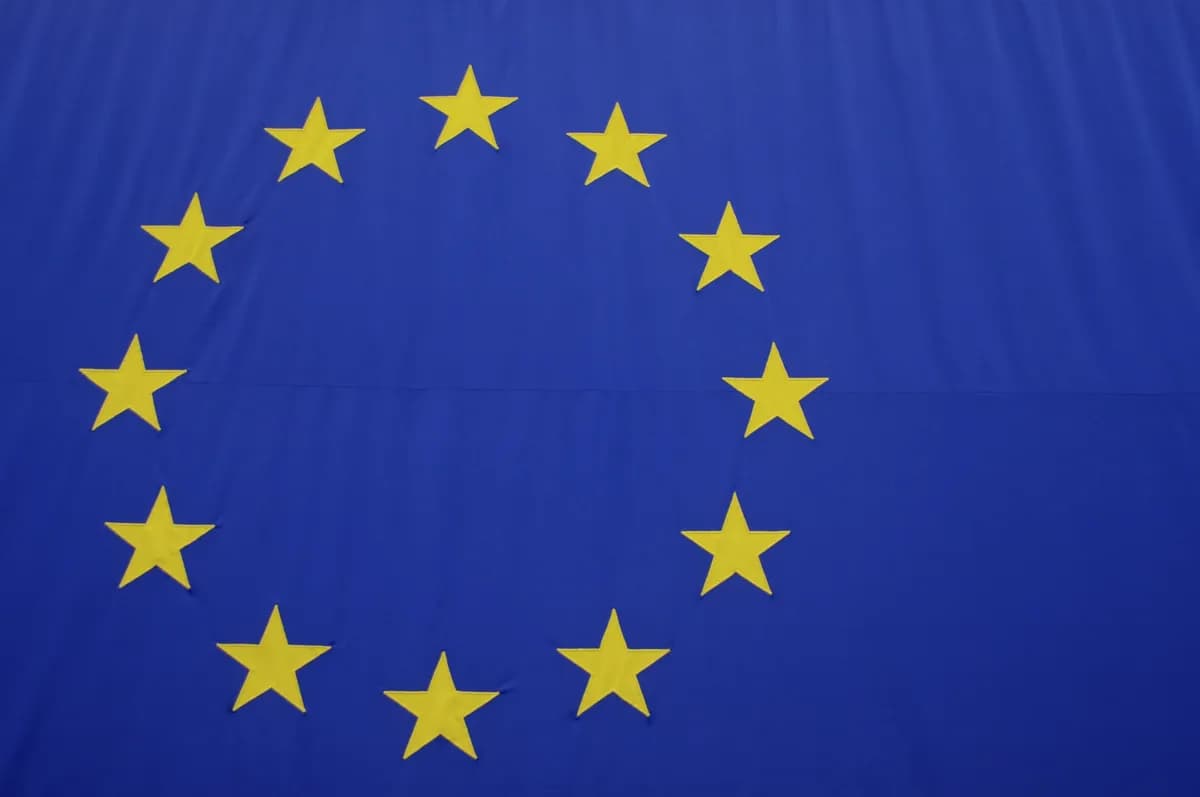
Philip Rycroft, who served as the top civil servant overseeing Brexit preparations, said the argument for rejoining the EU was 'there to be won' and that a 'clear-headed appraisal of what is in the country’s best interests' was needed. Writing in The Times, Rycroft acknowledged that rejoining could be a 'long and windy' road but concluded: 'It is time to talk about rejoining. It might be time to knock on the EU’s door.'
Rycroft pointed to unfulfilled economic and trade promises of Brexit. He wrote that most economic analysis suggests the UK has taken a significant hit to GDP as a result of leaving the single market, and that no one can credibly claim the UK has achieved sustained economic growth as a consequence of Brexit. The promises of the Brexit campaign on economics and immigration had not lived up to expectations, he said, and the promise of a comprehensive trade deal with the USA now seems like an impossible dream.
Britain should start talking about rejoining the EU.
On security, Rycroft argued that the UK must look to solidarity with Europe to secure its defences, citing a hot war in Europe and a disengaged America. 'Chill winds don’t just blow through the international trading order. The postwar certainties that underpinned our security as a nation are visibly crumbling,' he said.
Meanwhile, a number of cabinet ministers are pushing Prime Minister Keir Starmer to pursue closer EU alignment, including potentially joining a customs union or the single market. In January, Starmer said the UK should consider 'even closer alignment' with the single market, which he said was preferable to a customs union.
The argument is there to be won.
Separately, concerns were raised at the European parliament on Thursday over the rights of EU citizens in the UK and British citizens in Europe post-Brexit. MEPs heard about worries over children born to EU citizens in the UK who did not know they had to apply for settled status. A senior official in the European Commission’s post-withdrawal agreement unit said: 'The UK approach has significant consequences for newborn children, resulting in very high healthcare charges.' The Home Office was also criticised for ending funding for charities assisting vulnerable EU citizens making late applications for settlement.
A clear-headed appraisal of what is in the country’s best interests is needed.
Rejoining the EU could be a long and windy road.
Most economic analysis suggests that we have taken a significant hit to GDP as a result of leaving the single market.
No one can credibly claim that we have marched to the sunny uplands of sustained economic growth as a consequence of Brexit.
The great promise of a comprehensive trade deal with the USA now seems like an impossible dream.
Chill winds don’t just blow through the international trading order. The postwar certainties that underpinned our security as a nation are visibly crumbling. With a hot war on the European mainland perpetrated by a revanchist Russia and an increasingly disengaged America, it is beyond peradventure that we must look to solidarity with our friends and neighbours in Europe to secure our defences.
The argument is there to be won. It is time to talk about rejoining. It might be time to knock on the EU’s door.
The UK approach has significant consequences for newborn children, resulting in very high healthcare charges.