

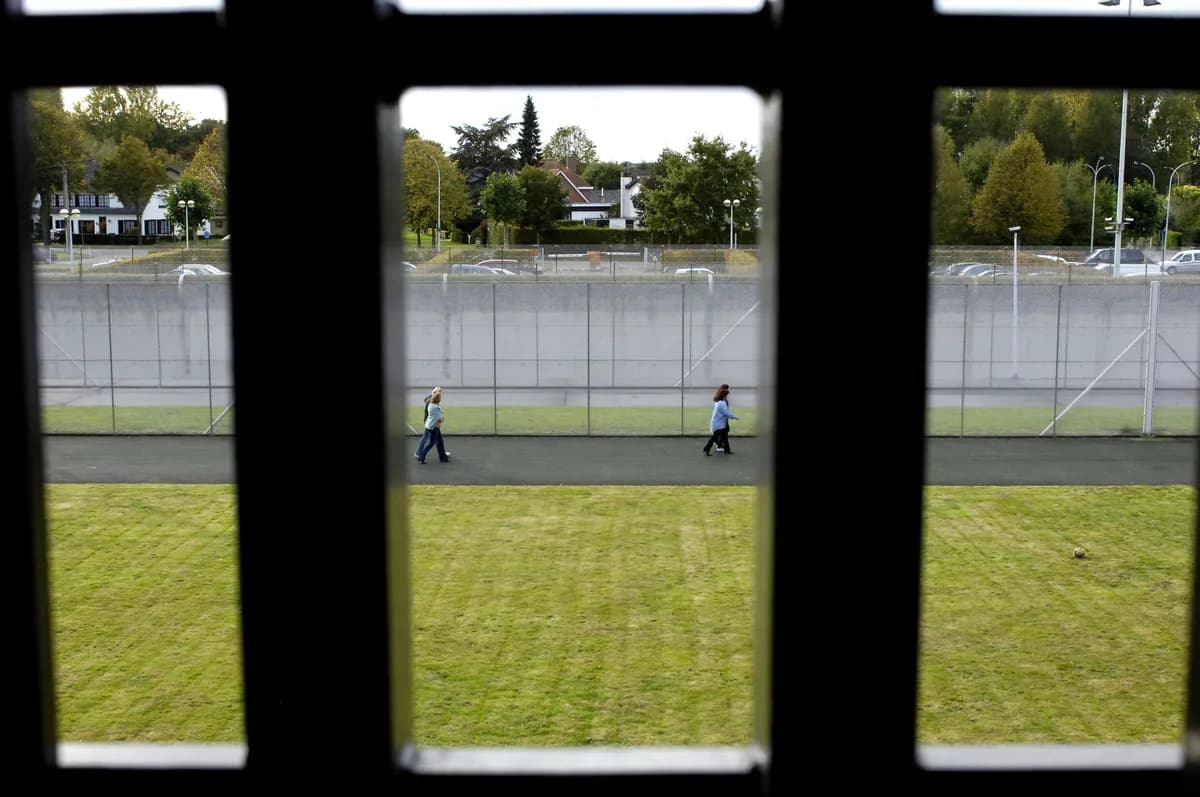
The UN Commission on the Status of Women's agreed conclusions explicitly mention 'women in detention and in imprisonment' for the first time in its 70-year history, according to the commission's documents. Campaigners hailed the inclusion as 'groundbreaking,' as reported by advocacy groups. The conclusions aim to address the plight of incarcerated women while considering links between discriminatory laws, violence against women and girls, and increased incarceration risk, based on the commission's stated objectives.
The inclusion follows rising numbers of women in detention and years of advocacy from formerly incarcerated women, civil society organizations, and media coverage, as noted by observers. Patsilí Toledo stated this is 'the first time in 70 years' the topic is being taken seriously, according to her comments. Patsilí Toledo noted all countries supported the inclusion except the US, which voted against, as she reported.
Groundbreaking.
Mary Robinson called the recognition 'an important step forward' but emphasized visibility must be matched by action, per her statement. Experts warn of a crisis with nearly one million women in prison globally, based on their assessments. More than 740,000 women and girls are estimated in detention, about 7% of the world's prison population, according to statistical reports.
Since 2000, female imprisonment increased by 60%—nearly triple the rate for men, based on data analysis. About 19,000 children live in prison with their mothers, as estimated by researchers. In 2023, Women Beyond Walls called on feminist forums to stop overlooking women affected by the criminal justice system, according to the organization's advocacy.
The first time in 70 years.
In February, UN human rights experts warned member states that access to justice, safety, and dignity for women deprived of liberty remains 'gravely inadequate,' per their official statement. The commission's decision marks a significant shift in global policy, with advocates highlighting that incarcerated women often face unique challenges such as gender-based violence, lack of healthcare, and separation from families. Historically, international agreements on women's rights have largely excluded prison populations, leading to gaps in protection and support.
The new conclusions call for member states to reform laws and practices that disproportionately impact women, including addressing biases in sentencing and improving prison conditions. This move is seen as part of broader efforts to promote gender equality in all sectors, with implications for human rights monitoring and funding allocations. However, implementation will depend on national actions, and critics note that past UN agreements have sometimes seen limited follow-through.
The inclusion has sparked discussions on how to effectively translate policy into tangible improvements for women in detention worldwide.