

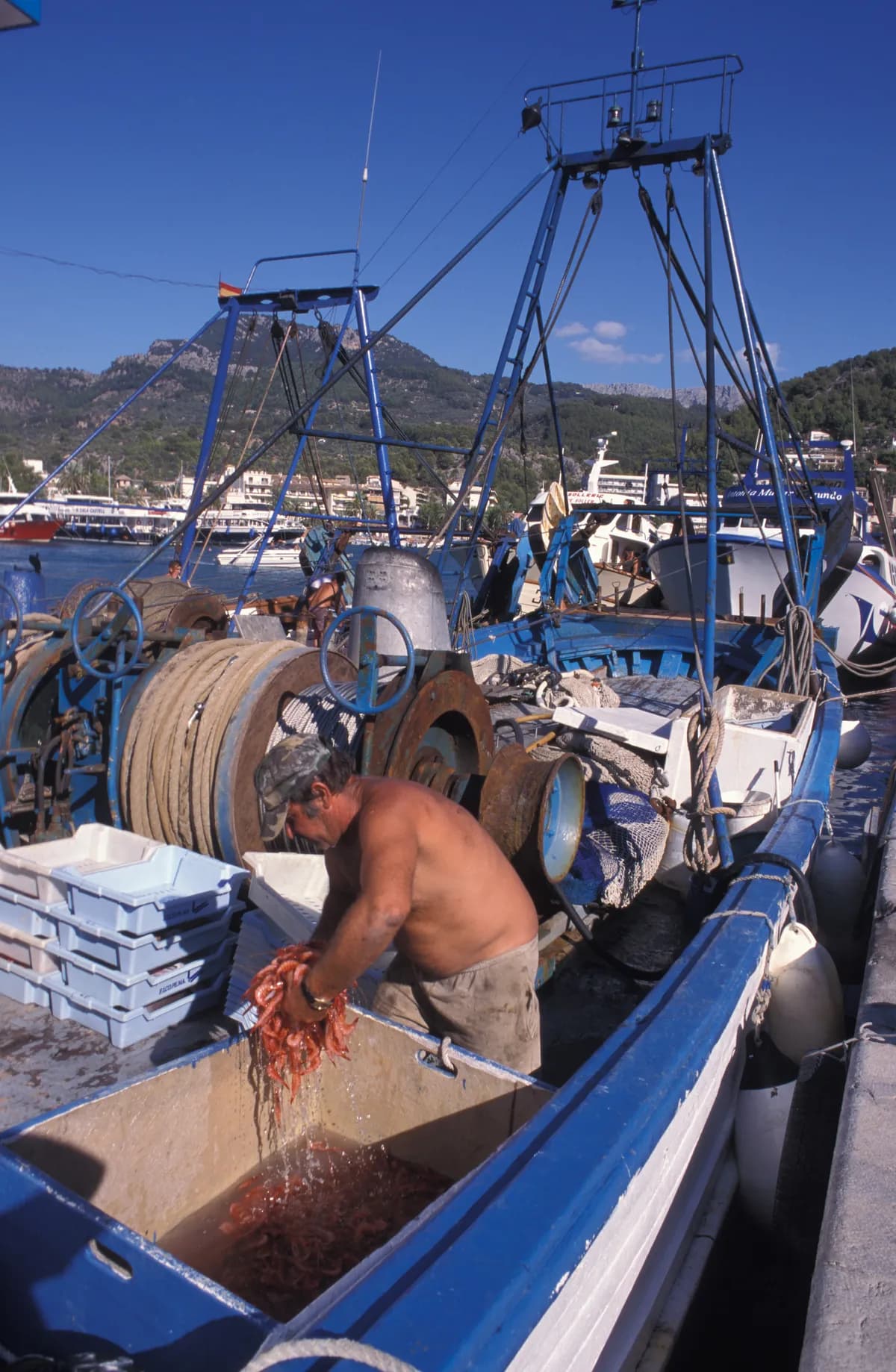
Fishermen on Andøya say they have been displaced from their traditional areas by an intruder, with Andøya Space operating independently and taking little consideration of them. Fishermen say they have been promised something, but everything has become more extensive than first assumed, and there is no longer a valid coexistence agreement with the Andøya Space corporation. Space activity on Andøya has increased significantly in the last year and since the first rocket launch in March 2025, which did not go according to plan. Several attempts have been made to launch the carrier rocket since then, without success, and so far this year, they have not launched a single rocket. On Thursday, April 9, the sea area outside was closed to fishermen, but the rocket was never launched, and last week, fishermen were again shut out from the area outside the launch base for five hours during a planned launch. During the latest attempt to launch the carrier rocket into orbit around Earth, fishermen were shut out from the sea area near the launch site.
On Thursday evening between 20:00 and 22:00, a new attempt will be made to launch the rocket named Spectrum 2, which is intended to carry satellites into orbit around Earth. The satellite is to be launched into a so-called sun-synchronous orbit (SSO), so the timing is important. The rocket is almost 30 meters high and weighs around 50 tons. The countdown is proceeding as planned, and there is some wind on Andøya this evening. The third attempt is tonight at 22:00.
This time, the police in Nordland plan to implement movement bans both on land and at sea to ensure safety and that the activity can be carried out as planned. Since there have previously been instances of activity in the sea area within the safety zone, the police have chosen to extend the movement ban to also apply to sea areas within the safety zone. Initially, it was only illegal to enter the safety zone on land. When a fishing boat was in the area last time, Andøya Space and Isar Aerospace asked the police to impose a ban also at sea. The ban became effective from yesterday, Wednesday, April 8. The ban on land applies from 12:00 to 01:00 the following day, while at sea, the movement ban applies from 18:00 to 23:00, with vessels in the area must be out by 19:00 at the latest. The restricted zone extends 12 nautical miles from land, and anyone within this area during the time period can receive fines and compensation claims. If violated, fines of up to nine thousand kroner are imposed, along with possible compensation claims. The Coast Guard will patrol the sea area outside the launch base, but the Coast Guard only has authority to enforce Norwegian law within Norwegian territory, i.e., the so-called 12-mile zone.
It turned out as we feared, say the fishermen.
The first attempt to get the rocket airborne was made in March last year. It flew for about 30 seconds before exploding and falling into the sea, but the launch was nevertheless described as successful because it provided important data. The first time there was a fault with a pressure valve, and the second time a fishing boat entered the safety zone. The previous attempt to launch the rocket into orbit around Earth was aborted after a boat came too close to the area.
The parties met with Industry Minister Cecilie Myrseth for a dialogue meeting in Oslo on Monday after recent disputes related to rocket launches on Andøya. At today's meeting, they agreed to restart work on establishing a coexistence agreement in the area. There has previously been a coexistence agreement in the area, but it expired at the beginning of 2026. The leader of Norges Fiskarlag, Jan Roger Lerbukt, believes it was a good, useful, and important meeting, and Myrseth experienced the meeting as constructive.
Fishermen are not happy with the ban, mostly because they fear it could set a precedent for future use of the area. The movement ban is not well received by the local fishermen in the area.
Norwegian students have helped build this satellite, and TV 2 first reported on the planned rocket launch. Andøya Space has a license to launch 30 rockets per year.