

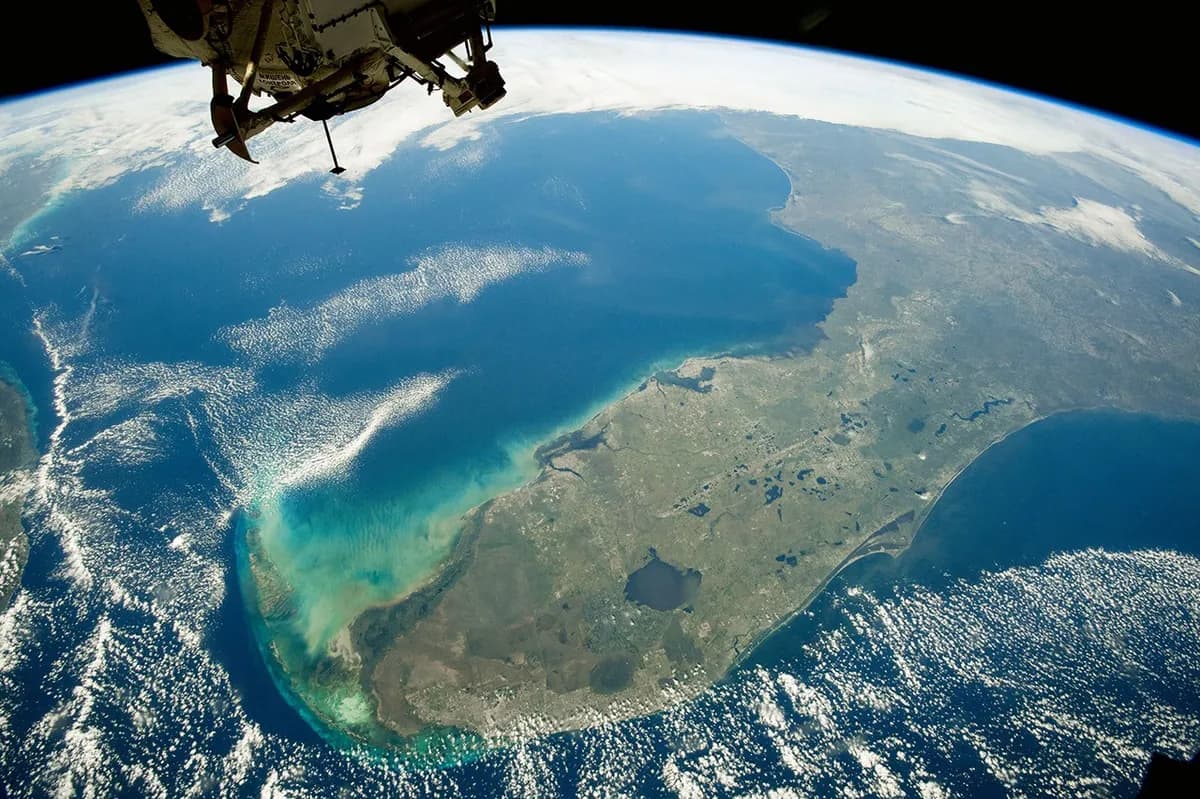
The model was uploaded to the South Australian government's Kanyini satellite and to the Thales Alenia Space IMAGIN-e payload aboard the International Space Station. Prithvi was trained on 13 years' worth of data from the Harmonized Landsat and Sentinel-2 dataset, which compiles over a decade of global geospatial data from NASA's Landsat and ESA Sentinel-2 satellites. Developed by data scientists from IBM and NASA's IMPACT team, Prithvi can be adapted for tasks such as mapping flood plains, monitoring disasters, and predicting crop yields.
The researchers tested the model's flood and cloud detection performance across two different orbiting platforms and computing environments. The team chose Prithvi because of its strong generalization across Earth observation tasks and its availability as an open-source model. Dr. Andrew Du, lead researcher and postdoctoral researcher at Adelaide University, said that if Prithvi were not open source, he would have had to train his own foundation model, and having it openly available saved significant time and effort. Kevin Murphy, chief science data officer at NASA Headquarters, stated that Prithvi is the first model of its kind deployed in orbit, demonstrating why NASA makes its AI models open source to accelerate scientific and technological development.