

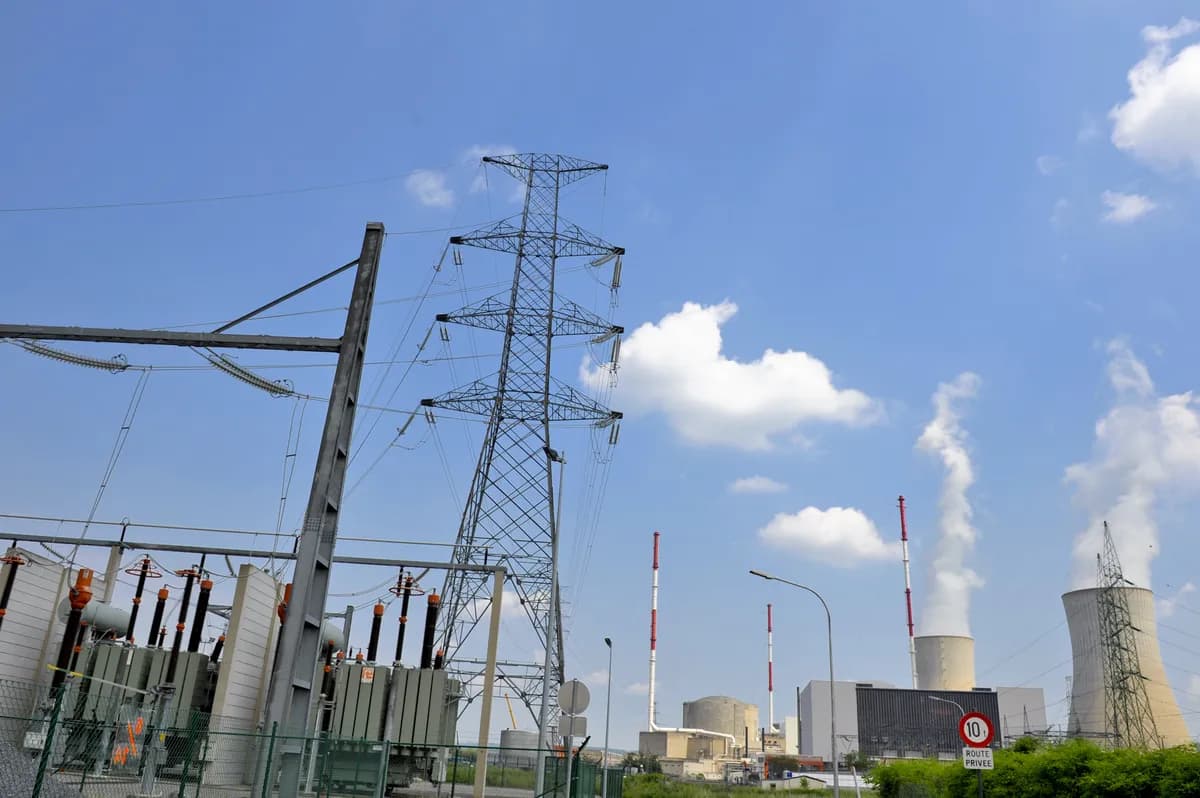
Onkalo is situated on the secluded island of Olkiluoto on Finland's west coast, where construction began in 2004. The site was selected for its migmatite-gneiss bedrock, which offers high stability and low earthquake risk. The disposal method involves sealing radioactive rods in copper canisters and burying them over 400 meters underground, packed with bentonite clay.
Posiva, the company behind the project, estimates that Onkalo can store 6,500 tons of spent nuclear fuel. Posiva also estimates it will take hundreds of thousands of years for radioactivity to fall to normal background levels. 2 billion), comes from Finnish nuclear power companies that have saved money for decades for this purpose.
Globally, almost 400,000 tons of spent nuclear fuel have been produced since the 1950s, with two-thirds in temporary storage and one-third recycled. Currently, the world's spent nuclear fuel is stored temporarily in spent fuel pools at reactors and at dry cask storage sites above ground. The exact date when Onkalo will receive its operating license and begin full operations remains uncertain.
It is also unclear how the long-term integrity of the copper canisters and bentonite clay will be ensured over hundreds of thousands of years.