

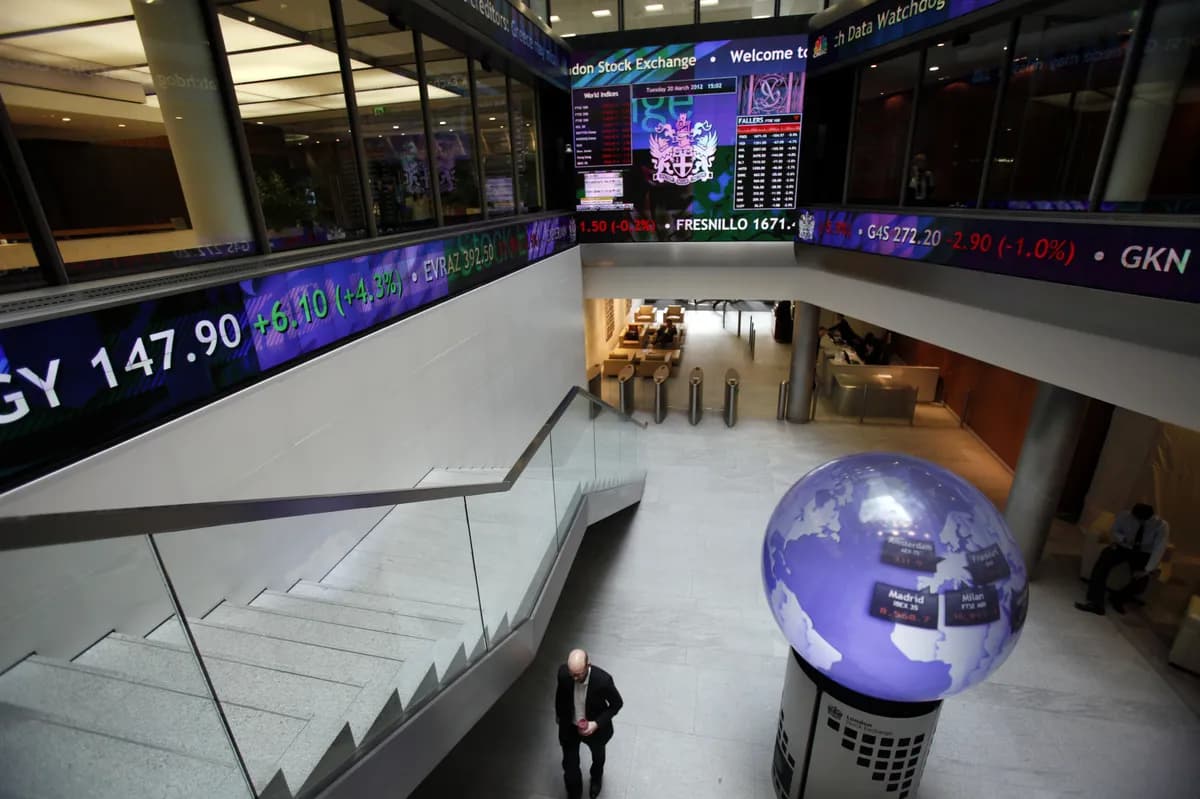
European stock indices fell on Friday after a brief attempt at recovery, with major markets ending the morning trading session in negative territory. Persistent geopolitical tensions in the Middle East and their impact on energy prices continue to weigh on investor sentiment, according to multiple reports. The Strait of Hormuz, a crucial passage point for a significant share of oil and liquefied natural gas exports, is at the center of concerns, though the extent to which its security is directly threatened by current tensions remains unclear.
S. officials, mentioning measures to contain rising energy prices, initially brought a semblance of calm, and the granting of a temporary waiver for deliveries of Russian oil was also perceived as an attempt to ease supply tensions. These announcements temporarily moderated the fever in the hydrocarbon market.
However, the respite was short-lived, as oil prices quickly resumed their rise, albeit at a more moderate pace than during the previous session. This volatility revives fears of a resurgence of inflation, particularly in Europe, a region heavily dependent on hydrocarbon imports. The prevailing question among operators is whether the economy is facing a temporary shock or the beginning of a prolonged cycle of energy price tensions, with the duration and scope of the temporary waiver for Russian oil deliveries also uncertain.
S. Federal Reserve, diminishing, according to multiple reports. S.
dollar. S. employment statistics.
This report, the last major indicator before the next Fed meeting, is likely to significantly influence sentiment, though how it will shape monetary policy expectations is not yet known. Strong figures could be interpreted as a sign of a resilient economy, while disappointing data risk fueling fears of a stagflation scenario, combining a slowdown in activity and persistent inflation.