

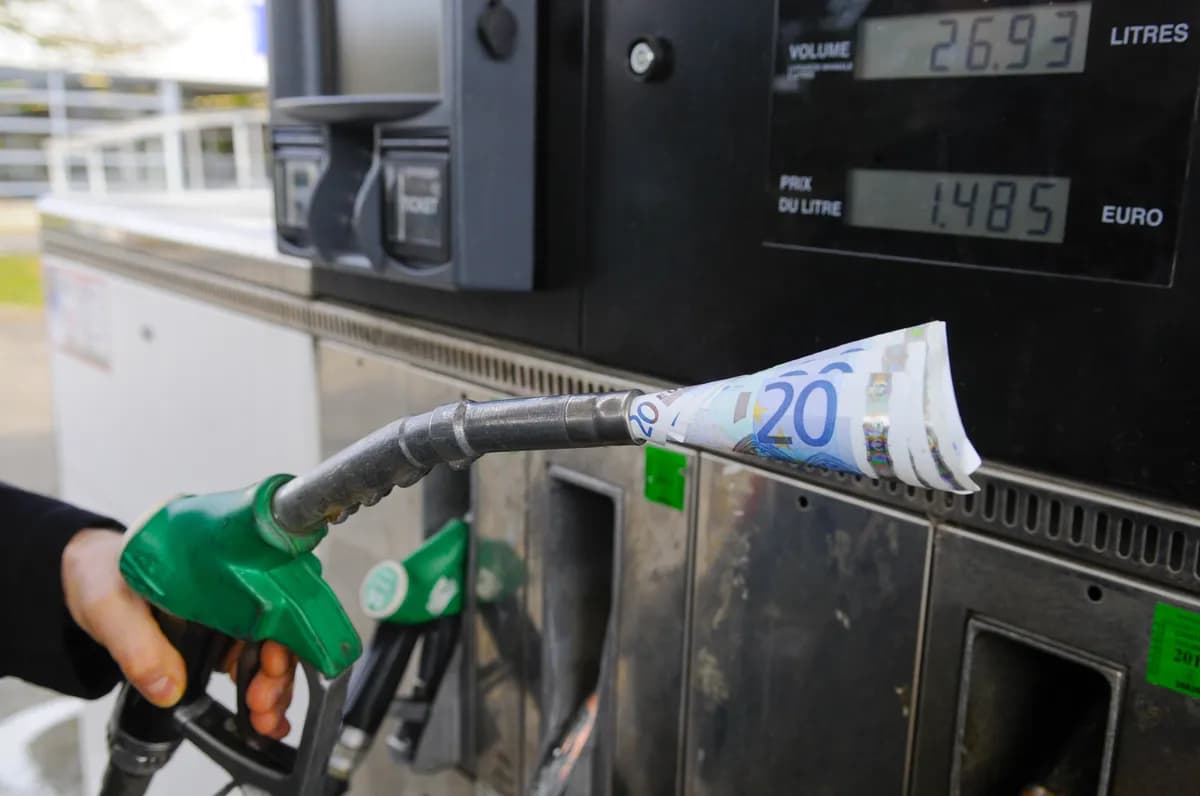
The Irish government will announce a range of measures in the Dáil on Tuesday to assist households and industries hit by soaring oil prices, according to multiple reports. The government has a general surplus of about €5 billion to combat the impact of the economic crisis, a Cabinet source told the Daily Mail. The measures include cutting excise duty on petrol by 15 cent per litre and on diesel by 20 cent per litre until the end of May. The package also includes suspension of the NORA levy on home-heating oil, reducing the price by 2 cent per litre, a VAT-inclusive 3 cent per litre cut in excise on green diesel, and a temporary increase in the maximum rebate under the Diesel Rebate Scheme to 12 cent per litre until 30 June. Taoiseach Micheál Martin said the measures are 'targeted and temporary' and will be reviewed subject to market developments. According to the Daily Mail, a Cabinet source described the surplus as a reason to run budget surpluses, so that if a shock comes to the economy, there is an ability to respond.
Diesel prices had risen from about €1.80 per litre to between €2.20 and €2.30 per litre at the weekend, while petrol prices had risen to about €2 per litre, according to RTÉ. After the excise cut, diesel prices on many forecourts fell to around €2.09 per litre and petrol to around €1.85 per litre, RTÉ reported. However, some service stations may still be selling existing stock on which higher excise was paid, so lower prices may not be immediate. Some forecourt retailers are dropping pump prices before fresh deliveries to avoid criticism and allegations of price gouging, according to RTÉ. According to BBC News - Business, Eugene Drennan described the cuts as making 'a welcome break' but being 'minimalist'.
The war will cost Spaniards €5 billion.
Spanish Prime Minister Pedro Sánchez approved a €5 billion emergency package comprising 80 measures to shield households and businesses from the Iran war's economic effects, according to multiple reports. Spain's headline inflation in March rose to 3.3%, up from 2.3% in February, driven by a sharp rise in fuel prices, the Spanish National Statistics Institute reported. The package includes a reduction in VAT on fuel from 21% to 10% and a cut in excise duties on hydrocarbons, a temporary suspension of the tax on the value of electricity production, and strengthening subsidised electricity support for vulnerable households and a ban on cutting off water or energy for the most vulnerable, according to multiple reports. The package does not include housing measures such as rent caps or mortgage support, according to multiple reports. Sánchez said the war will cost Spaniards €5 billion and that the package will save up to €200 million for energy-intensive industries. The package has to be approved by Congress, according to multiple reports.
Germany's lower house of parliament approved a package including a tax-free relief bonus for workers and a fuel discount. The fuel discount involves a two-month cut of approximately €0.17 per litre on energy tax for diesel and petrol. The worker bonus is a voluntary tax-free bonus of up to €1,000 from employers, tax-deductible for businesses, payable until June 2027. The fuel price relief is valued at €1.6 billion, and the worker bonus is estimated to cost at least €2.8 billion in lost tax revenue, partly funded by a rise in tobacco tax. Economists have criticised the broad nature of the measures, advocating for more targeted aid, while business groups have expressed concern over the burden placed on employers.
There are limits to what governments can do in response to a crisis of this kind and we want to ensure what we do is sustainable.
The Italian government approved a temporary cut in excise duties on fuel, Reuters reported. Swedish Social Democrat leader Magdalena Andersson demanded a temporary cut in fuel tax, saying: 'We cannot be so dependent on the oil of dictatorships.'
Globally, Asia is hit hard by rising energy prices because the region gets 59% of its crude oil from the Middle East, according to the BBC. South Korea, which depends on Middle Eastern oil for 70% of its imports, has warned of risks to its semiconductor industry. Countries like Sri Lanka, Bangladesh and the Philippines have introduced fuel rationing and school closures as emergency measures. Russia has increased its crude oil exports to India by 50% since the conflict began and may earn up to $5 billion extra by end of March, according to some analysts. Norway and Canada are potential winners as buyers seek alternative energy sources.
We would have like to have seen more.
Economists at Oxford Economics warn that if oil prices rise to $140 per barrel and stay there, the US economy could shrink and European inflation could increase by up to 0.5 percentage points later this year. ECB President Christine Lagarde suggested markets may be 'overly optimistic' about the conflict's impact. Bets for an interest rate hike at the next ECB meeting have been rising steadily, according to multiple reports.
Key unknowns remain, including how long the Iran war will last and how it will affect energy markets, whether the Irish government's €5 billion surplus will be sufficient to cover all planned interventions, and whether the Spanish package will be approved by Congress without changes.
We cannot be so dependent on the oil of dictatorships.
The measures are 'targeted and temporary' and will be reviewed subject to market developments.
The cuts 'make a welcome break' but are 'minimalist'.
We will not reduce [prices] off the reduction yesterday. It's a help. We are at the table. But, if there's another glitch we have to get back to the table immediately to make any significant difference.
Markets may be 'overly optimistic' about the conflict's impact.