

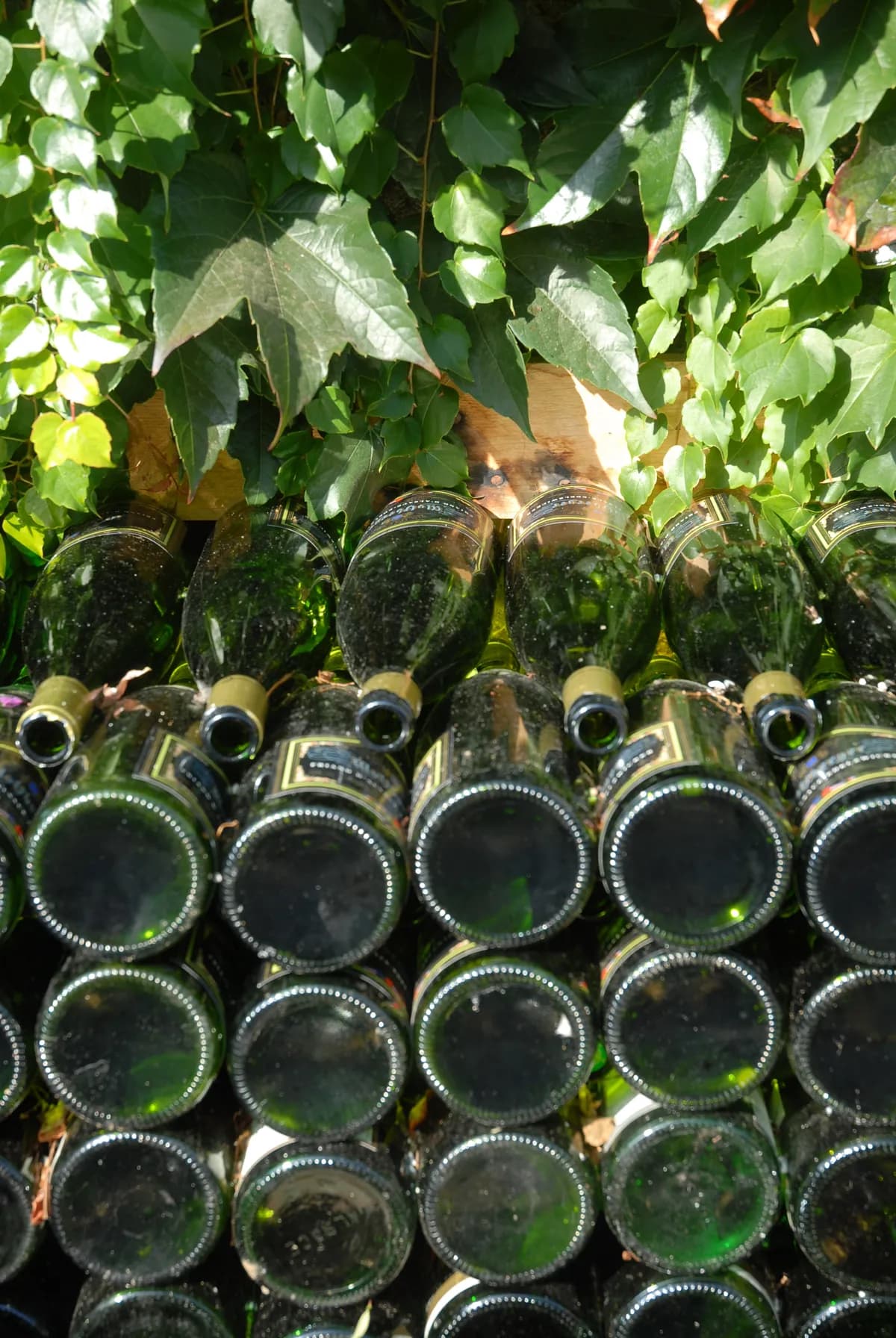
The Federation of European Businesses in India formally requested the exemption on April 2nd, citing concerns from companies like Pernod Ricard, Anheuser-Busch InBev, Heineken, and Carlsberg. According to the association, beverage companies' bottle and can inventories are declining because the local packaging industry is suffering from production difficulties caused by the Iran conflict. Indian bottle and can manufacturers cannot meet the beverage industry's demand, prompting the push for imports and duty relief. The request underscores a supply chain vulnerability within India's alcohol sector, with constraints on can and bottle supplies as local manufacturers cannot operate at optimal production levels. On India's alcohol market, price increases for retail sales require approval from about two-thirds of India's 28 states, making the situation difficult for companies.
The United States-Israeli war on Iran and Tehran's retaliatory strikes have upended global financial and energy markets, raising concerns of a global economic crisis or recession. Since the US-Israeli strikes on Iran began on February 28, Tehran has launched ballistic missiles targeting Israel, US military bases, oil depots, and other infrastructure across the Gulf region. Iranian attacks on vessels in the Strait of Hormuz have dramatically reduced traffic in the channel, through which about 20% of global oil and gas supplies transit. This disruption has triggered significant energy price surges and supply chain breakdowns worldwide.
Oil prices have soared, with Brent crude at $106 per barrel as of Monday morning, up more than 40% from $72 per barrel on February 27. LNG prices have risen by almost 60% since the start of the war. QatarEnergy suspended its LNG production after an Iranian drone attack on March 2, straining the global LNG market. Prices of refined products like petrol, gas oil, jet kerosene, and fuel oil have seen significant increases and are expected to continue rising if energy flows through the Strait of Hormuz remain largely shut.
Eurooppalaisen teollisuuden etujärjestö Intiassa pyytää
As crude oil and refined products from the Middle East Gulf are unable to reach buyers, countries in Asia are scrambling to secure alternative supplies at higher prices and adopt emergency measures. About 84% of crude oil and 83% of LNG that passed through the Strait of Hormuz in 2024 was bound for Asia. China, India, Japan, and South Korea accounted for nearly 70% of oil shipments through the Strait of Hormuz, with about 15% bound for the rest of Asia.
Economic analysts have outlined scenarios for oil prices and conflict duration. According to a March 9 report by Neil Shearing and his team at Capital Economics, if the conflict is short-lived and Iranian attacks cease, oil and LNG prices would fall back sharply with Brent crude reaching $65 per barrel by year-end. In case of a longer war, oil prices would rise further to around $130 per barrel in Q2, and shipments through the Strait of Hormuz would be affected.
The 2026 Iran war, including the closure of the Strait of Hormuz, has led to what the International Energy Agency characterized as the largest supply disruption in the history of the global oil market. The impact of the conflict echoes the 1970s energy crisis through acute supply shortages, currency volatility, inflation, and heightened risks of stagflation and recession.
etujärjestö kertoo
Financial market reactions have been severe, with interest rate reductions expected to be postponed or increased due to higher inflation from supply shortages and speculation. Stock markets experienced declines globally, and there was a global bonds market sell-off.
The Gulf region has faced a systemic collapse of its economic model, with Arab states of the Persian Gulf and Iran relying on the Strait of Hormuz for energy exports and grocery imports, and only Saudi Arabia and UAE having alternative, albeit limited, routes. Following the closure of the Strait of Hormuz on 4 March 2026, oil and LNG exports were stranded, causing Brent Crude to surge past $120 per barrel and forcing QatarEnergy to declare force majeure on all exports.
Oil production declines have been stark, with the output of Kuwait, Iraq, Saudi Arabia, and the United Arab Emirates collectively dropping by a reported 6.7 million barrels per day by 10 March, and by at least 10 million barrels per day as of 12 March. The maritime blockade triggered a grocery supply emergency across Gulf Cooperation Council states, which rely on the Strait for over 80% of their caloric intake; by mid-March, 70% of the region's food imports were disrupted. Retailers like Lulu Retail airlifted staples, resulting in a 40–120% spike in consumer prices.
Deutsche Welle
The crisis has shifted toward fears about a humanitarian crisis following Iranian strikes on desalination plants, the source of 99% of drinking water in Kuwait and Qatar.
The regional aviation sector, including Emirates and Qatar Airways, faced a near-total cessation of operations due to multi-national airspace closures, causing widespread disruption to global air travel. Analysts have noted a profound shift in the region's long-term economic narrative, with Deutsche Welle reporting that Gulf states are unlikely to sustain high levels of investment spending during or after the war.
The Qatar-funded Middle East Council on Global Affairs suggested the war has irreversibly shaken the region's image, exposing fragility beneath the facade of rapid economic transformation. Sinem Cengiz, a Kuwaiti journalist, conveyed that the immeasurable social and psychological impact in economic, political, and security spheres were unlikely to fade.
Qatar-funded Middle East Council on Global Affairs
In India's alcohol market context, Heineken is the leader in India's beer market, while Diageo and Pernod are leaders in India's spirits market. The Federation of European Businesses in India's formal waiver request aims to address these market leaders' challenges amid regulatory hurdles.
Local packaging production failures are evident, with the mandatory Bureau of Indian Standards (BIS) certification for aluminum cans complicating domestic supply, as key local producers are already at full capacity and new production lines are months away. This highlights supply chain vulnerabilities, with constraints on can and bottle supplies as local manufacturers cannot operate at optimal production levels. The ongoing conflict in the Middle East has driven up expenses for essential packaging materials like glass bottles, cartons, and labels, with overall industry costs increasing by up to 15%.
Cost increases across packaging materials are significant, as packaging materials make up around 60-65% of production costs for Indian beer and spirits makers. Price pressures are also affecting other packaging and label materials. These cost hikes are exacerbated by geopolitical factors affecting aluminum prices, which are sensitive to supply chain disruptions, while volatile energy prices have a larger impact on glass and PET packaging.
Energy shortages are affecting Indian manufacturing, with gas shortages, exacerbated by disruptions to Middle Eastern energy supplies, forcing some Indian glass bottle manufacturers to curtail or halt operations. Shipping delays are affecting the import of aluminum necessary for can production, and exploring alternative sourcing could inflate industry costs by an additional 30%.