

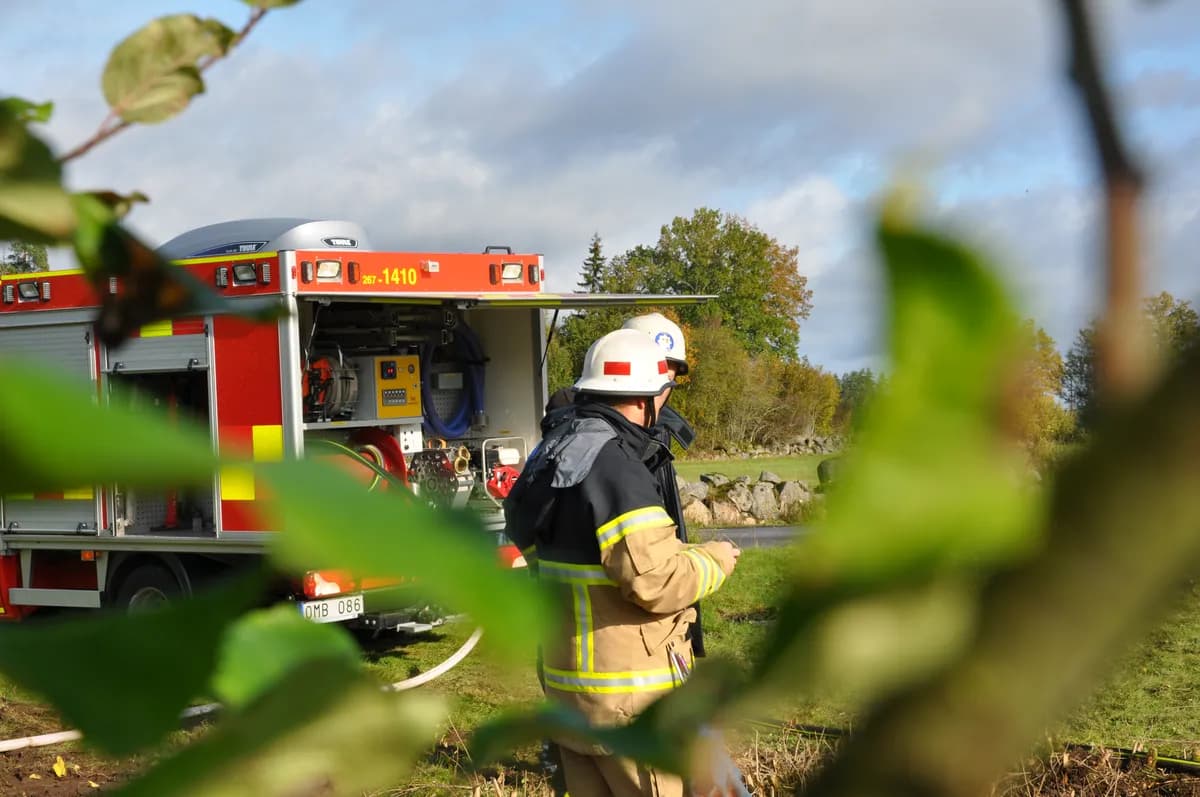
The strategy presents an integrated framework for forest fire risk management throughout the risk cycle, containing both initiatives that the European Commission will drive and proposals for measures. This move comes against a backdrop of rising threats, as forest fires have become more numerous, larger, and more intense in Europe. In 2025, Europe experienced its worst fire season since measurements began, with over one million hectares of burned land.
The increased risk is linked to climate change and other underlying factors, which are expected to worsen the threat in the future. Experiences from recent years show that fires do not stop at national borders, leading to repeated activations of the EU Civil Protection Mechanism and rescEU, the European crisis reserve, to support affected member states. Although responsibility for forest fire management fundamentally lies with member states, developments indicate that a more coordinated European approach is needed.
A case study from Sweden illustrates the challenges: in the summer of 2018, Sweden and Värmland were severely affected by forest fires, prompting Sweden to activate the EU Civil Protection Mechanism to receive international support from several European countries in firefighting efforts. The forest fires had significant economic and ecological consequences in Värmland, with forest owners suffering large losses when valuable forest was damaged or destroyed, affecting both timber value and future returns. The rescue service was under hard pressure during a long period of intensive efforts, and a fatal accident occurred in connection with the firefighting work.
According to the report 'Skogsbränderna sommaren 2018 (SOU 2019:7)', fires can change habitats for both animals and plants, which in turn affects ecosystem function and recovery over time. Since the summer of 2018, Sweden has been spared from major forest fires, largely due to more favorable weather conditions and strengthened preparedness efforts.