

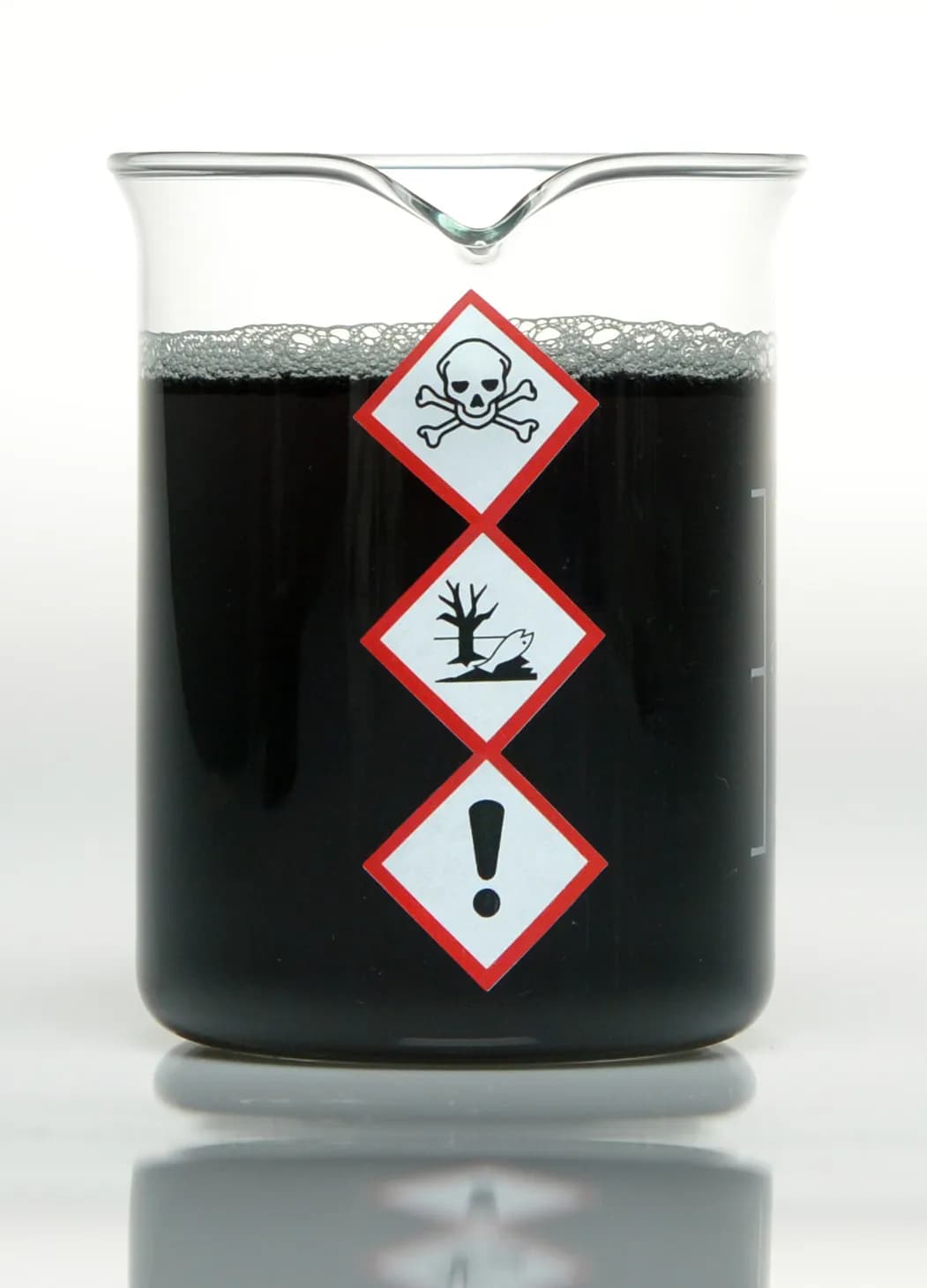
The European Chemicals Agency (ECHA) supports a wide-ranging restriction on PFAS, according to major media reports. ECHA's risk assessment committee concluded that PFAS pose persistent and potentially severe risks to both human health and the environment. The committee's recommendation to the EU is for broad restrictions with some targeted exemptions. The chairperson of ECHA's risk assessment committee stated that an EU-wide restriction is an effective measure to reduce these risks, with recommendations to minimize emissions if exemptions are allowed. The ECHA committee also noted that PFAS are very persistent, remain in the environment for a long time, travel long distances, contaminate groundwater and soil, and some cause serious health problems such as cancer and reproductive damage.
PFAS, or poly- and perfluoroalkyl substances, is a collective name for around 4,700 different substances, according to an official source. These chemicals are used in a wide variety of products and industrial processes, from non-stick pans to clean technologies and semiconductor manufacturing, as reported by major media. Their widespread application underscores the challenge of regulating such a diverse group.
Environmental persistence and contamination are well-documented. PFAS do not break down in the environment and are widely present in rivers and lakes, according to a 2024 EU environment agency report cited in major media. Additionally, PFAS are widely present in the human body; several EU Commissioners and European ministers tested positive for PFAS in their blood, and PFAS have been detected in breast milk, according to major media reports. This evidence highlights the pervasive nature of these chemicals.
Political pressure has been mounting for action. Pressure to adopt a comprehensive ban on PFAS stemmed from Sweden, Denmark, Germany, Norway, and the Netherlands in 2022, according to major media. The EU is expected to soon present a proposal to ban PFAS in everyday goods such as clothing and pizza boxes, an official source confirmed. However, the exact timing of this proposal remains uncertain.
ECHA's committees have outlined recommendations for implementation. Exemptions are expected to apply in the medical field, according to an official source, though the specific targeted exemptions to be included in the EU's proposal are not yet detailed. ECHA's socio-economic analysis committee endorsed the overall direction but stressed the need for targeted exemptions where industries lack viable alternatives, according to major media. Existing rules fall short in addressing PFAS risks, the ECHA risk assessment committee noted. The availability of viable alternatives for industries currently reliant on PFAS, and how transitions will be managed, are key unknowns that could impact the effectiveness of the restrictions.
Community activism has amplified calls for stronger measures. A group of 26 residents from contamination hotspots across France, Germany, Italy, Belgium, Denmark, and the Netherlands traveled to Brussels, backed by the European Environmental Bureau, to share firsthand accounts of how PFAS affect their health and daily lives, according to major media. The group staged a demonstration in front of the European Commission's headquarters, demanding stronger action to end PFAS pollution. Communities on the front line of PFAS pollution were denied a meeting with European Commission President Ursula von der Leyen, citing scheduling conflicts, major media reported. How the EU will ensure enforcement and compliance with PFAS restrictions across member states, and what specific measures will be taken to address existing contamination in environments and human bodies, remain open questions as the regulatory process advances.