

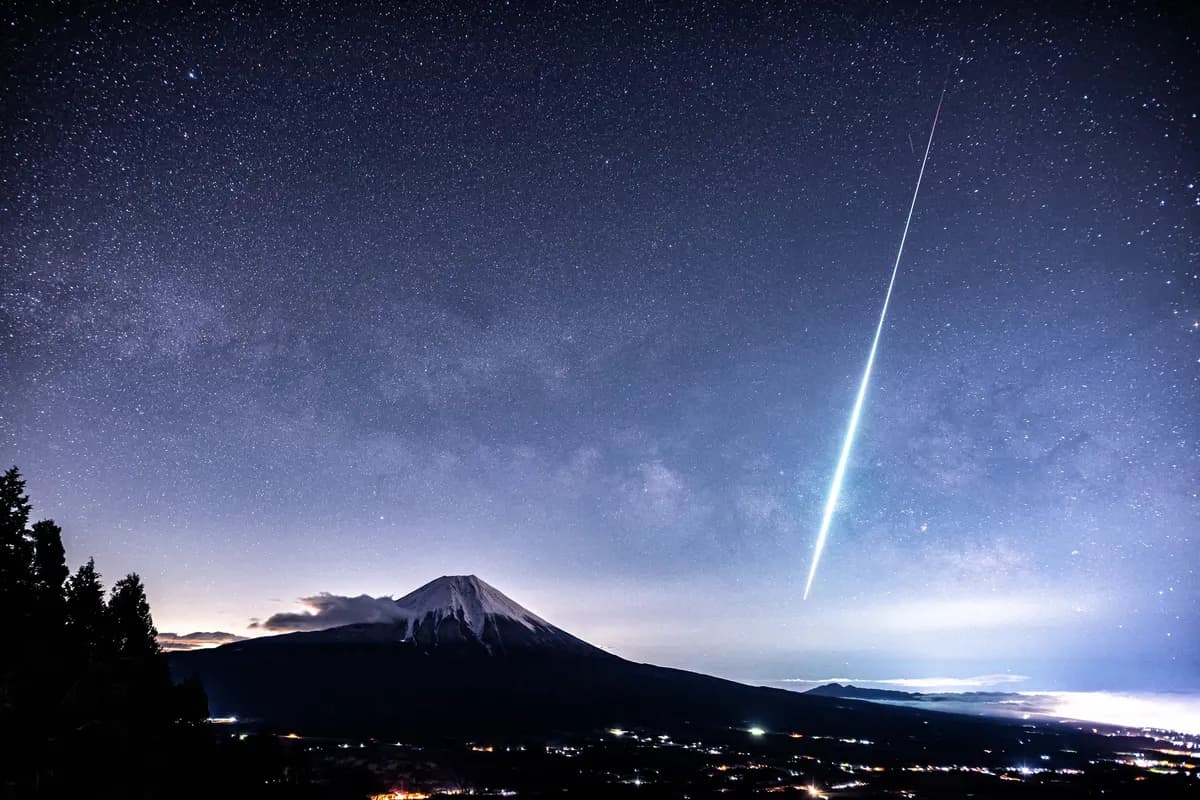
According to multiple reports, the Eta Aquariid meteor shower will reach its peak on Wednesday night into Thursday morning, delivering up to 40 shooting stars per hour for viewers in ideal conditions. The peak activity window extends from around midnight to the early pre-dawn hours, when the shower’s radiant—the point in the sky from which meteors appear to originate—rises in the eastern sky, making meteors more visible.
A major obstacle this year is the waning gibbous moon, which will be more than 80% illuminated, according to multiple reports. The moon’s brightness will be the primary limiting factor for meteor counts, persisting throughout the night and washing out many fainter shooting stars. This means that the number of meteors visible to the naked eye will be significantly reduced. However, experienced skywatchers can still catch the brighter fireballs. For the best view, astronomers recommend waiting until just before dawn, when the radiant is higher in the sky, diminishing the moon’s relative brightness and improving visibility, and darker skies are essential.
The Eta Aquariid meteor shower is known to favor the Southern Hemisphere, according to multiple reports, where the radiant rises higher and meteor rates are greater. In the Northern Hemisphere, the shower is visible from around midnight, but at that time the radiant is still below the horizon, making meteors less common. As the night wears on, the radiant slowly climbs, so the prime viewing window for northern skywatchers is in the dark hours just before dawn, when the radiant has risen to its highest point low on the eastern horizon. From around midnight, patient skywatchers may spot a few meteors every now and then, but the hourly rate increases significantly as dawn approaches.
The meteor shower remains active until May 28, according to multiple reports, with activity gradually declining after the peak. During this period, the shower continues to produce meteors, though with diminishing numbers each night. While no other major peaks are expected during this window, dedicated observers can still spot occasional meteors in the weeks following the peak, especially in the Southern Hemisphere. It remains unclear exactly how many shooting stars will be visible despite the bright moonlight, and the exact peak hour on Wednesday night has not been specified in reports.