

In Eswatini, one in four people are infected with HIV, highlighting a profound public health crisis. Last year, Precious visited a clinic with five other sex workers to get tested, and four of them had HIV, underscoring the vulnerability of key populations. Precious walks with a limp because her husband beat her and broke her leg, before she fled with her two children and turned to sex work with no qualifications.
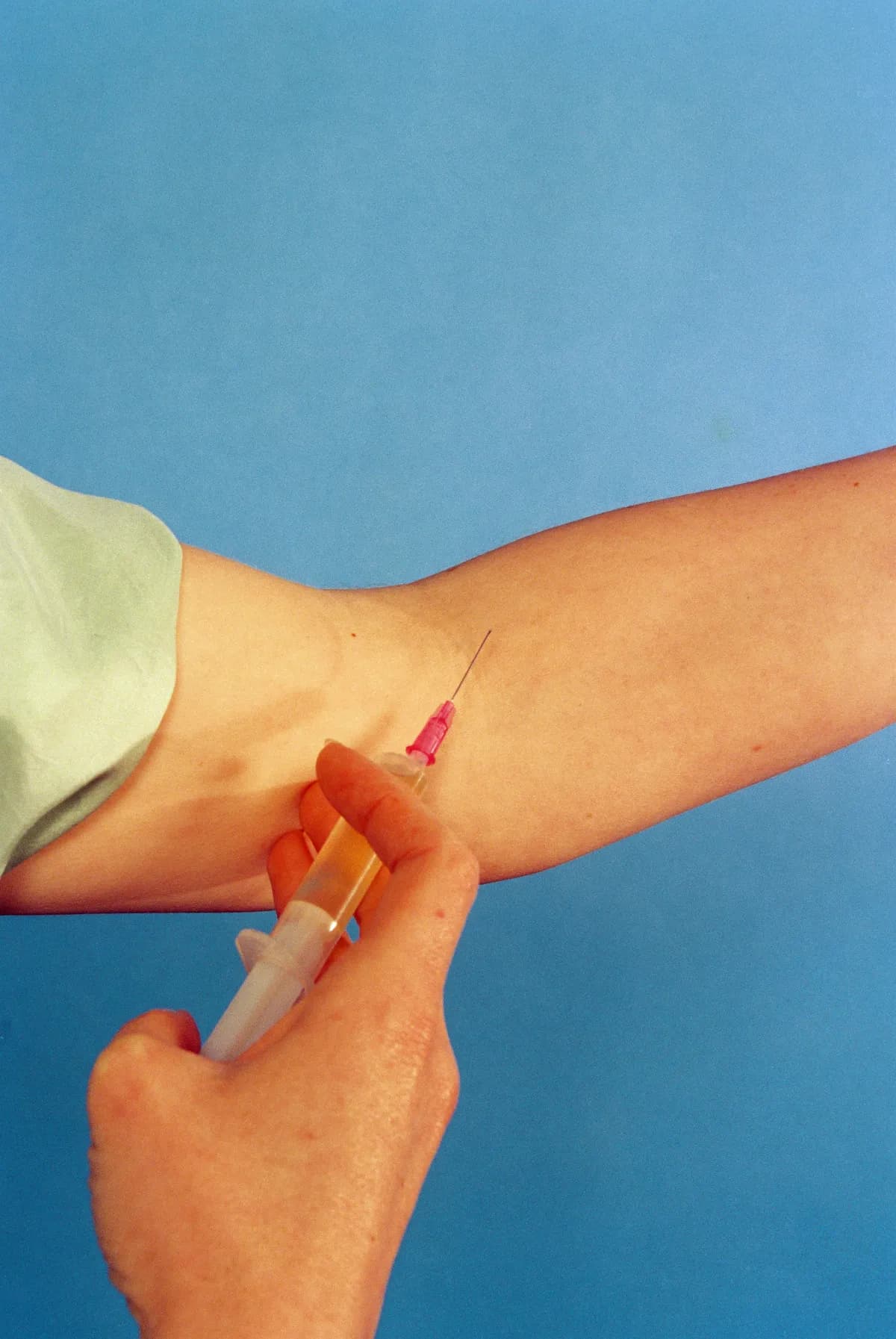
The country has begun rolling out lenacapavir, an injection given every six months that can prevent HIV infection, making it one of the first nations to adopt this measure. At the Lobamba clinic, staff have received 130 doses and given more than 100 already, but they expect to run out within days. Supply shortages are acute: at the central medical store, the shelf for lenacapavir is almost bare, with only 730 doses in stock, of which 500 are ringfenced as second doses for people who had their first jabs in December and January.
He almost killed me.
The Global Fund to Fight HIV, Tuberculosis and Malaria is providing Eswatini with 6,000 doses of lenacapavir in 2026, with 4,200 arrived so far and the remainder due in April, while a further US government-funded shipment is expected later this year. As of 19 March, 2,995 people in Eswatini had started taking lenacapavir. Precious's struggles are compounded by poverty, with up to 60% of people in Eswatini living below the poverty line.
She estimates she needs at least 4,000 lilangeni a month to meet expenses, including school transport for her children, who live with her blind mother. 50), but being a divorced woman means she can't get the necessary letter of recommendation from community leaders to receive help with her son's school expenses.