

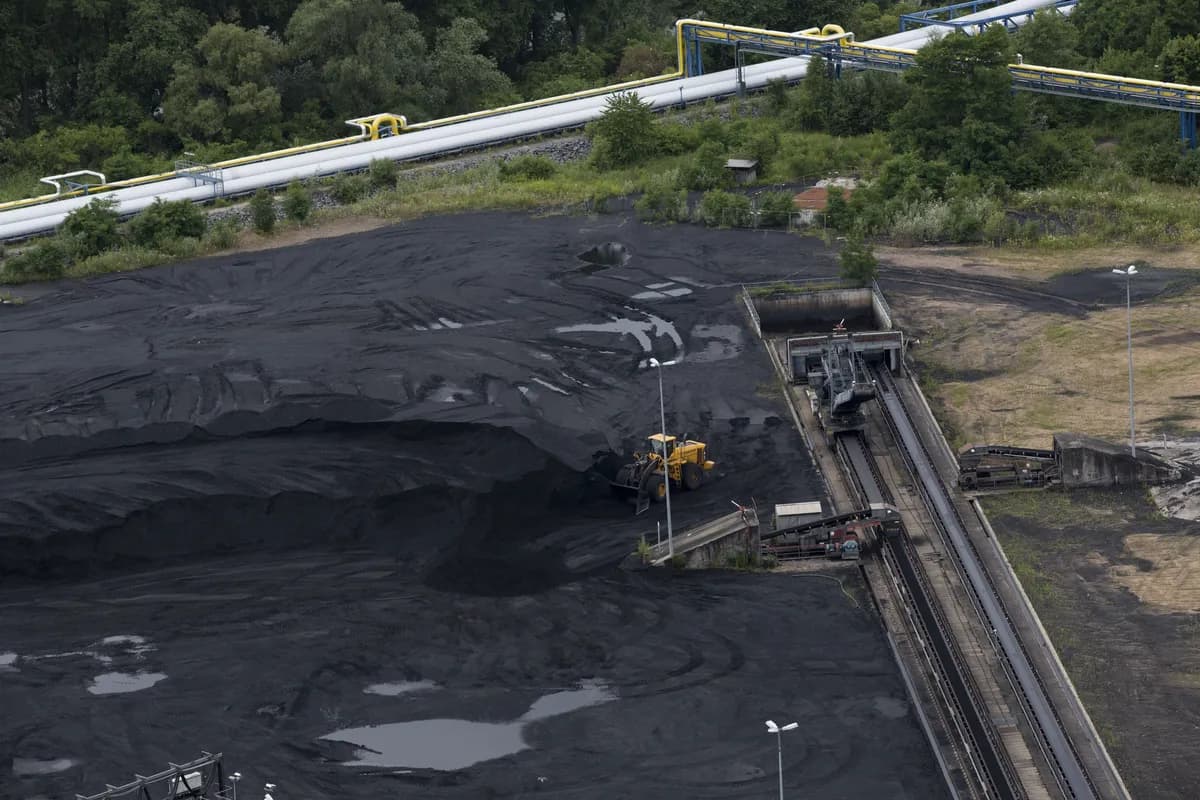
The Environmental Protection Agency proposed weakened rules governing the safe disposal of coal ash on Thursday, easing standards for monitoring and protecting groundwater near some coal ash sites. According to critics, the move is the latest in a series of Trump administration efforts to weaken clean air and water standards as part of regulatory relief for the fossil fuel industry. Burning coal produces tremendous amounts of ash, a waste product that contains heavy metals, and if not stored properly, coal ash can contaminate groundwater.
The EPA first set standards for coal ash during the Obama administration, and in 2024, then-President Joe Biden’s administration eliminated exemptions that had been granted to some older coal ash sites. The agency started looking into the problem after a dike failed in Tennessee in 2008, spreading coal ash over 300 acres or 120 hectares and forcing a massive cleanup, with workers involved in that effort saying the ash exposure caused cancers. Environmental groups and community advocates warned that the changes will mean more dangerous pollutants contaminating water, and expose more people living near coal plants to toxic waste.
The coal industry has argued that a host of stringent rules raising the cost of running a coal plant prematurely pushes them into retirement. The revisions would make it easier to reuse coal ash for other purposes.