

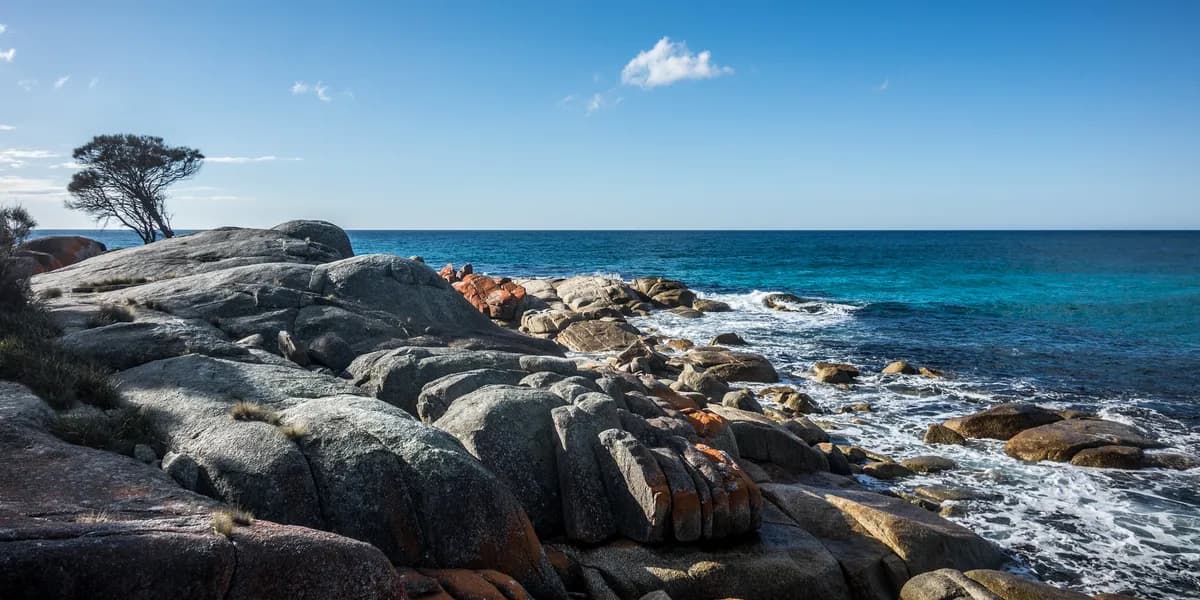
The trail was first proposed in 2008 as a policy under former prime minister Gordon Brown, but it is only about 77 per cent complete. The project has faced 18 years of delays caused by funding cuts, legal requirements, the COVID-19 pandemic, and global shortages of building materials. Rising sea levels and coastal erosion have forced parts of the route to be changed, with locals in East Yorkshire fearing earlier in 2024 that the opening could have been delayed after erosion devastated the proposed route.
Environmental adaptations have been necessary, such as at Southmoor Nature Reserve, where storms in 2020 broke a sea wall and flooded the land, turning the former pasture into a salt marsh habitat for birds; to keep the path open there, organisers built a raised boardwalk made from 75,000 recycled plastic bottles. In 2024, the coastal path was diverted by English Heritage, which runs Osborne House estate, as it would 'negatively impact' the charity's conservation work and present a security risk. 4 per cent of residents, farmers and property owners formally objected.
Officials say the flexible design of the trail means it can be moved if storms, erosion or rising sea levels change the coastline, as coastal rights of way are dynamic, unlike fixed footpaths on Ordnance Survey maps. By summer 2026, more than 90 per cent of the path's infrastructure works will be complete, according to Natural England, with the trail expected to have a lifetime of ongoing work. 100 per cent of the proposals for the coastal path have now been submitted to the Secretary of State.