

The Met Office said this winter will be remembered for its 'relentless rain'. Since November 1, the Environment Agency has issued 814 flood warnings, three of which were severe, as well as 2,562 flood alerts. England experienced 35% more rain than the long-term average this winter, according to the Met Office.
Regional rainfall varied significantly. Wales saw 14% more rain than average, Northern Ireland 25% more, and Scotland 16% below average. Devon and Cornwall had their second wettest winter on record, while Southern England recorded its seventh wettest winter.
Last year's drought was challenging for everyone, affecting our farmers, our wildlife, and our public water supplies.
Despite the flooding, the rain helped England recover from drought. The Environment Agency confirmed that all regions are now in 'normal' status, with East Anglia the final region to emerge from drought recovery. Reservoir storage stands at 95% for England, marginally above average. Soils are fully replenished, and groundwater and river flows are normal or above normal throughout England.
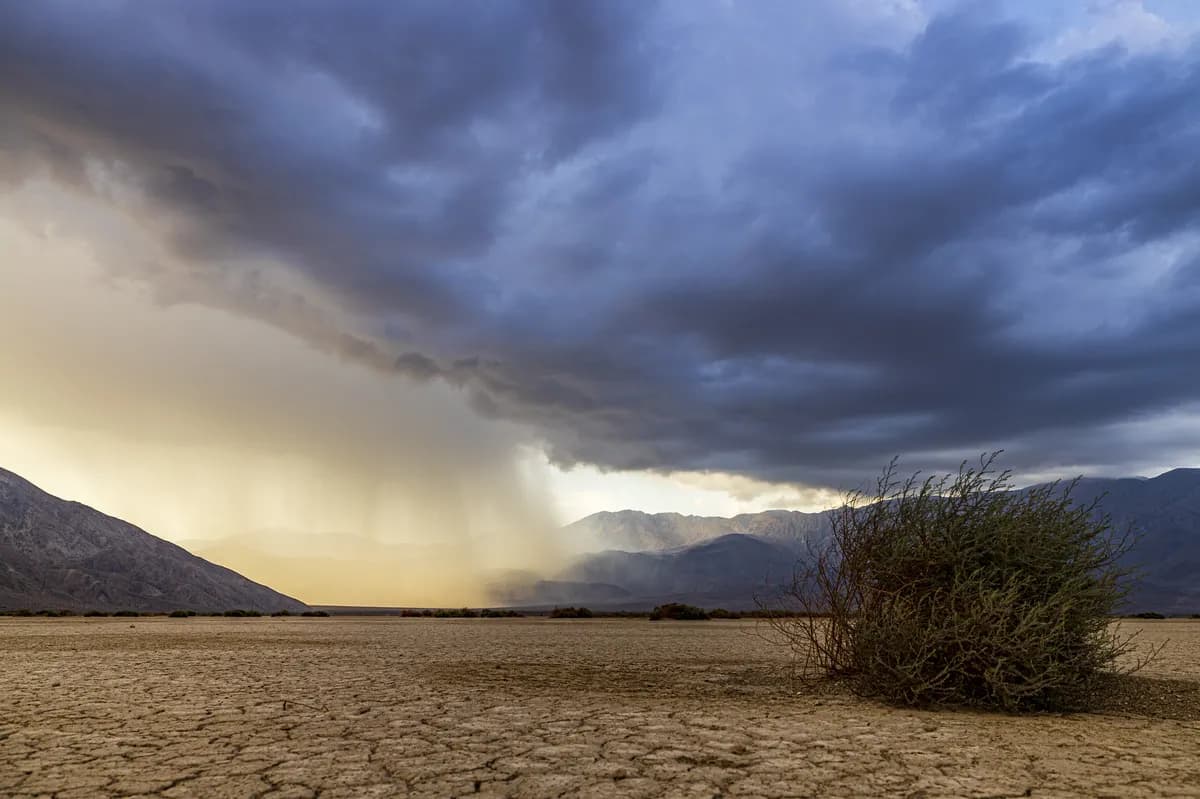
However, the situation has shifted rapidly. February saw 170% of the long-term average rainfall, but March recorded only 53% of the month's average. April was the second dry month in a row, with most of the UK receiving below-average rainfall. East and south-east England recorded their driest April since 2011, according to the Met Office. River flows decreased at all indicator sites in April, leaving rivers in central and southern England below normal levels. Groundwater levels have fallen almost everywhere. Reservoir storage levels have broadly fallen but remain slightly above average for the time of year.
The winter rainfall has helped our depleted reservoirs and rivers to recover and, whilst we welcome the improved picture, we are mindful of the problems that flooding brings too.
Regional water companies are monitoring the situation closely. Southern Water's area had just 20% of long-term average rainfall in April and 15% to date in May. According to The Independent - UK News, a Southern Water spokesperson described that the company constantly monitors river and reservoir levels so that when drier periods occur, they ensure water is used as efficiently as possible to maximise resources. Southern Water's reservoir storage is at 92%, and most rivers and groundwater stores are stable. Farmers say weather extremes from droughts to floods have hit their incomes and mental health.
The Environment Agency warns of 'flash drought' risks and increased 'weather whiplash' due to climate change. The risk of drought in 2026 is currently low, but the agency cautions that dry conditions could escalate quickly. Helen Wakeham, National Drought Group chairwoman and director of water at the Environment Agency, said: 'We enter spring in a favourable position, but we can never be complacent.'
We enter spring in a favourable position, but we can never be complacent.
We constantly monitor river and reservoir levels so that when we experience drier periods, as seen throughout April, we ensure we use water as efficiently as possible to maximise the efficient use of water resources.