

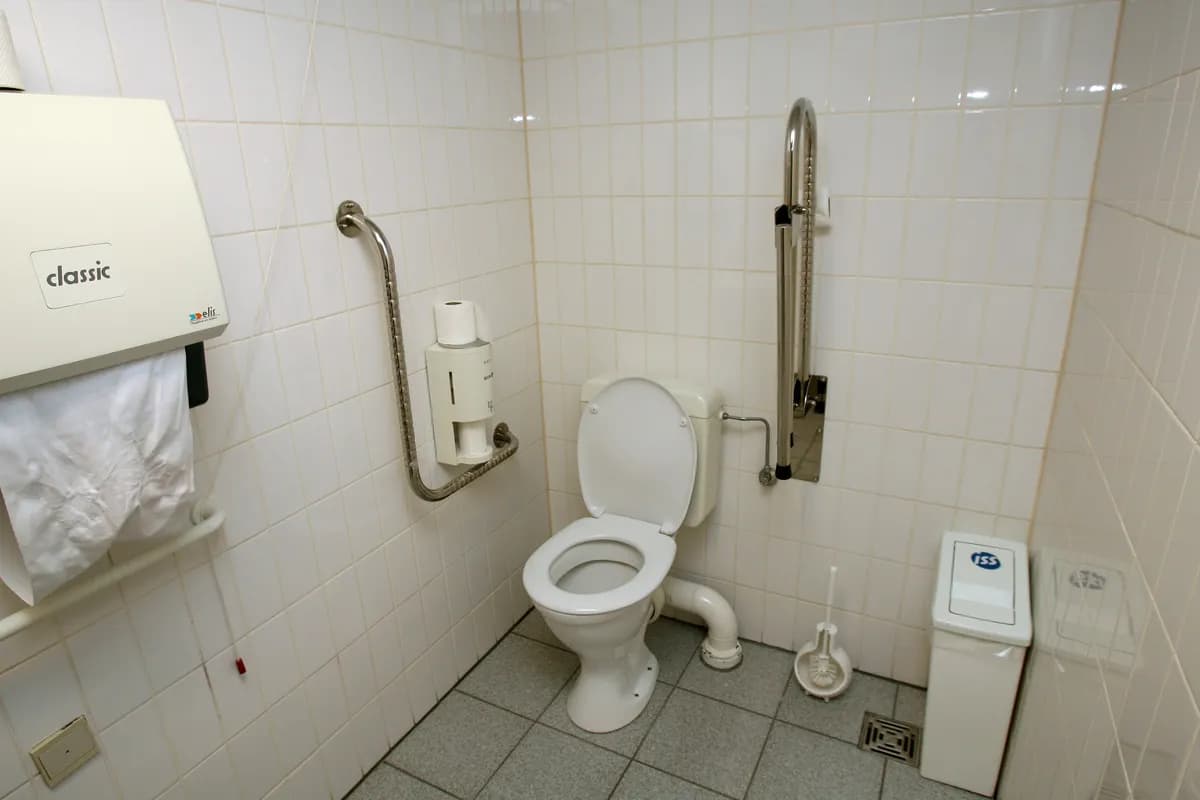
The lack of public toilets contributes to an increase in public urination, fostering unhygienic conditions, the Royal Society for Public Health (RSPH) said. Some people are restricting their fluid intake when out in public due to the shortage, putting them at risk of dehydration, the RSPH added. A Local Government Association spokesman noted that the shortage can disproportionately affect vulnerable groups, including older people, people with disabilities, those with medical conditions, babies and children, and people sleeping rough.
The shortage also has economic impacts, with the RSPH highlighting a potential knock-on effect for local businesses, as some people opt to stay home rather than venture out due to the absence of adequate facilities. In devolved nations, the situation is better, with around 8,500 people per public toilet in Scotland and 6,748 in Wales. At present, local councils get to decide how many toilets are needed in their area, but the specific funding pressures that have caused reductions remain unclear.