

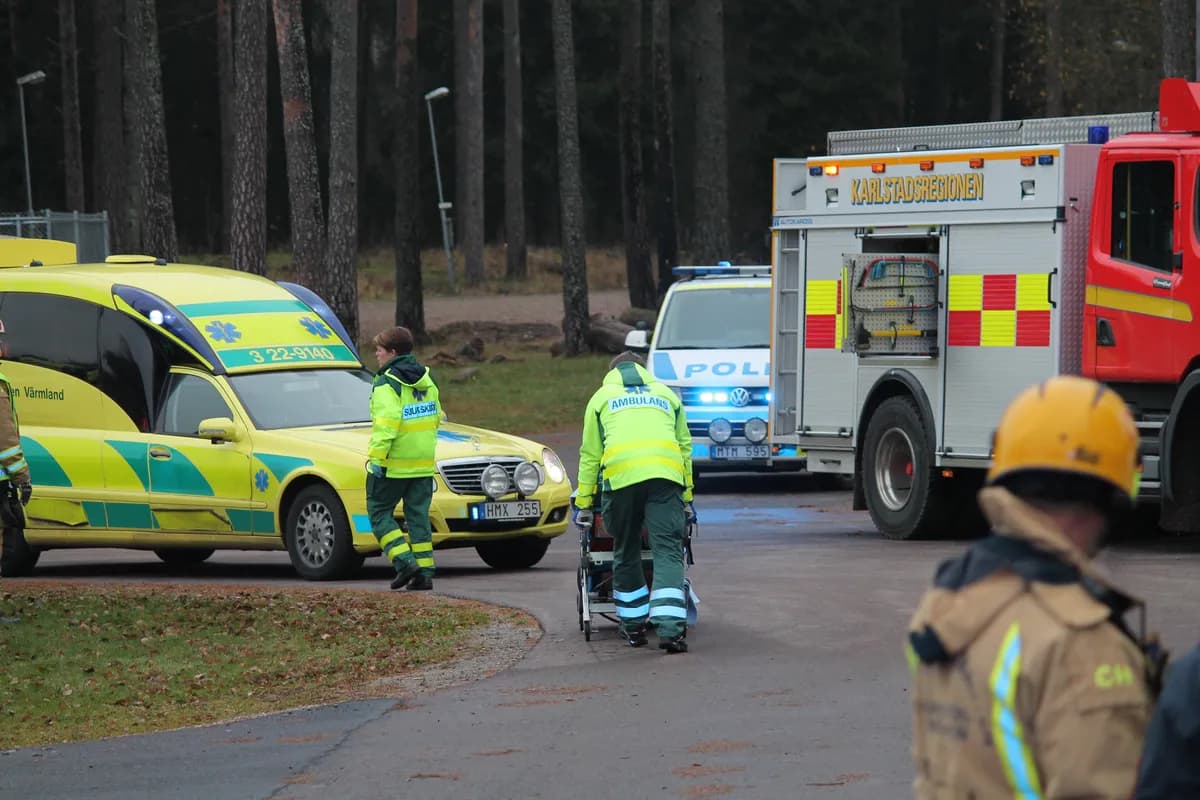
A 31-year-old Alaska woman froze to death after a 911 operator allegedly failed to send help for more than an hour despite desperate calls describing her shaking in subfreezing temperatures, according to a lawsuit. Alecia Ai Lindsay died on February 8, 2024, after spending hours wandering Anchorage, Alaska in wintry conditions before collapsing outside a home. Nearly two years later, her family is suing the Municipality of Anchorage, claiming a dispatcher's failure to recognize a medical emergency with the delay contributing directly to her death.
By 6:34am on February 8, Lindsay was outside a home on East 10th Avenue, knocking on a door, sitting on the ground near a garage, disoriented and largely unable to speak, according to police logs. A resident called 911 at that point, and the dispatcher told the caller officers would be sent and advised them to call back if anything changed. No police or medical units were dispatched for more than an hour after the first 911 call. Temperatures that morning ranged between 17 and 28 degrees Fahrenheit as snow blanketed the ground. Roughly 30 minutes after the first call, the resident phoned 911 again, and the situation had worsened with the woman outside 'feeling overwhelmed,' crawling on the ground and struggling to communicate, according to the complaint and police records. The caller's spouse told the dispatcher she was 'shaking extremely because it was cold.' The dispatcher continued treating the call as a lower-priority disturbance, focusing on whether the callers were safe, whether they knew the woman, and whether they could remain separated from her until help arrived. The dispatcher told them assistance would come 'as soon as we can.' The situation remained classified as a Priority 3 disturbance - not a medical emergency.
The facts in Angela's death speak for themselves. I continue to remain concerned about the time it is taking for ambulances to arrive in the context of the multifactorial reasons for this which include patient flow in hospitals and limited social care provision. People are dying due to these issues and yet we are no closer to improvement.
Internal dispatch records show long gaps with no recorded activity. More than an hour after the initial call, at 7:36am, police rather than paramedics were finally sent. When an officer arrived at 7:46am, Lindsay was lying on ice, inadequately dressed for the weather, drifting in and out of consciousness and flailing her arms. Only then, at 7:54am, was an ambulance requested with Code Red priority. By that point, roughly 80 minutes had passed since the first 911 call.
In a separate case in the UK, a woman took her own life only minutes after a phone call with an NHS worker who let her hang up, an inquest has heard. Hollie Loraine, 27, expressed to a 111 NHS call handler that she wanted to end her life moments before she was allowed to put down the call. A coroner has now issued a warning after it was found the call handler was following national guidelines. The inquest heard Ms Loraine had told phoned 111 and detailed exactly how she planned to take her own life. According to the inquest, the handler responded by saying she could let her go now that help was in place and instructed Ms Loraine to ring back if her condition worsened. She was then permitted to hang up the phone and ended her life minutes later, before help could arrive.
In my opinion action should be taken to prevent future deaths and I believe you have the power to take such action.
David Place, the Senior Coroner for Sunderland, has since written a Prevention of Future Deaths Report following the inquest into Miss Loraine's death. Mr Place was concerned that call handlers do not receive guidance about maintaining phone contact with a suicidal patient. The inquest concluded Ms Loraine died by misadventure at her home in Washington, Sunderland, on August 30 2025. The report was sent to NHS England, which must respond by May 27.
In another UK case, a coroner issued a Prevention of Future Deaths report after Angela Darlow, 73, missed the critical treatment window, according to major media reports. A coroner has raised serious concerns after a North Wales woman waited more than 23 hours for an ambulance after suffering a stroke at home. Angela Darlow, 73, collapsed at her home in Flintshire on January 6, 2025, prompting her husband to dial 999 for help. The emergency call was correctly categorised by the Welsh Ambulance Service, but 'unprecedented' pressure on the system meant an ambulance did not arrive for 23 hours and 20 minutes. By the time Ms Darlow was taken to the Countess of Chester Hospital, the delay meant doctors were unable to carry out key investigations for a thrombectomy - a procedure used to remove a blood clot from the brain. The treatment is most effective when performed within around six hours of stroke symptoms first appearing.
An investigation into her death began on June 13, 2025, and concluded following an inquest on February 5, 2026. The inquest returned a narrative conclusion, finding that Ms Darlow died of natural causes but that opportunities for medical investigations and possible treatment were missed due to the lengthy delay in ambulance response and transport to hospital. Kate Robertson, Assistant Coroner for North Wales (East and Central), submitted a Prevention of Future Deaths Report to the Cabinet Secretary for Health and Social Care, Jeremy Miles. Copies were additionally forwarded to the Chief Executive of Betsi Cadwaladr University Health Board and the Chief Executive of the Welsh Ambulance Service Trust. According to the coroner, Kate Robertson stated that the facts in Angela's death speak for themselves and she remains concerned about ambulance delays due to issues like patient flow and limited social care. She added that action should be taken to prevent future deaths.
These cases highlight systemic vulnerabilities in emergency response protocols, though what specific actions or changes are being demanded in the lawsuits and coroner reports to prevent similar deaths remains unclear. Accountability measures against the dispatchers or call handlers involved have not been detailed publicly. How common such delays or failures are across different regions is unknown, as is whether the exact national guidelines that led to these decisions are under review.