

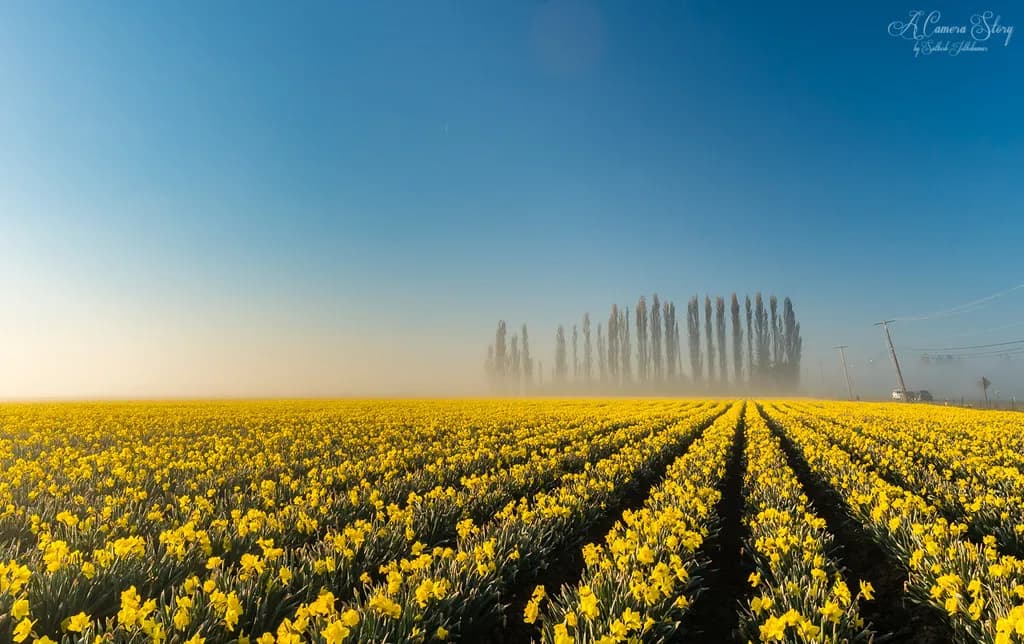
The Met Office recorded a high of 26.5°C (79.7°F) at Kew Gardens in south-west London last Wednesday, marking the hottest day in the first half of April since 1946. According to reports, London was hotter than popular holiday destinations including Ibiza, Rome, and Marrakech during the heatwave, which was followed by a sudden temperature drop of as much as 10°C. This combination has driven colorful tulips, hyacinths, wisteria, and daffodils into a remarkable display across England, according to multiple reports.
A marked north-south split in weather patterns has created a stark divide in spring progression across the UK. Tim Upson, director of gardens and horticulture at the Royal Horticultural Society, stated that spring has arrived notably early in the south this year, with RHS Garden Wisley seeing cherry blossom, magnolias, and tulips in full flower at least two weeks ahead of usual. In contrast, signs of spring are only just beginning to emerge in northern gardens at RHS Garden Harlow Carr and RHS Garden Bridgewater, where temperatures have remained cooler, slowing the season's progress. Further north, spring has been slower to start as cooler and wetter weather has held on for longer. According to reports, the weather since the start of meteorological spring on 1 March has seen successive low pressure systems delivering a lot of rain to parts of Scotland, Northern Ireland, and north-west England, while higher pressure in the south meant much drier weather. At the halfway stage in spring, Kinlochewe in Scotland has received 110% of its average spring rainfall, while Shoeburyness in Essex has had only 11%, according to reports. Temperatures for April show a regional contrast, with Northern Ireland -0.4°C below average and England 0.8°C above average so far this month, according to reports.
Optimal growing conditions are creating vivid floral displays across southern England. A warm start to spring after a mild, wet winter has meant optimal conditions for a vivid display of spring flowers in some places this year. Wet earth, plenty of sunshine, and a lack of frosts have combined to give some plants a noticeable head start. Much of the UK started spring with plenty of moisture in the soil after a wetter than average winter, according to Met Office figures. March delivered some notably warm weather for England and Wales in particular, alongside plenty of sunshine. This combination of weather types—with a lack of overnight frosts—has meant an early bloom of spring flowers, especially in southern England. According to reports, Britain's bluebells have bloomed unusually early this year, driven by a wetter spring and mild conditions. Ample rainfall, combined with a warm start to the season, has created ideal growing conditions for wildflowers. Across southern England, residents have reported bluebells sprouting in their gardens up to two weeks earlier than usual, helped by a lack of frosty mornings. Other flowers including tulips, cherry blossoms, and rhododendrons have also bloomed prematurely across Britain, according to reports.
The Royal Horticultural Society has noticed a distinct difference in the timing of blooming flowers this year, according to reports. Cherry blossom at Wisley, Surrey, had already finished blooming a few weeks early, while tulips were nearly at the end of their prime, according to Tim Upson. Tulips at Hampton Court Palace in East Molesey, Surrey, have bloomed slightly ahead of their usual schedule, according to reports. Late-winter flowering bulbs and shrubs including crocus, snowdrops, witch-hazels, and hellebores already out in RHS gardens are being quickly joined by early daffodils, camellias, cyclamen, and hyacinths in the mild conditions, according to reports. At RHS Garden Wisley, the lack of a prolonged cold spell in the South which would normally stall growth means that hoop daffodils on the alpine meadow are already starting to emerge, camellias are coming through, and magnolia buds are unfurling, Upson noted. Yoshino cherry trees are coming into bud, while thousands of tulips planted for a striking display in April are on track to bloom early if the mild weather continues, according to reports.
Scientific concerns are emerging about ecological impacts and climate trends. Research from the University of Cambridge suggests many plants are now flowering up to a month earlier, raising concerns for wildlife and the ecosystem, as well as for farmers and gardeners. According to reports, scientists warn that spring temperatures are rising faster in all four nations of the UK than in other seasons, with averages increasing by 1.8°C since 1970.
Predictions point to a continued floral explosion with implications for garden shows. The UK could be in for an explosion of spring colour over the next two weeks as warmer conditions bring flowers rapidly into bloom, according to an RHS prediction. The Royal Horticultural Society is predicting that mild weather, rising temperatures, and some sunshine will lead to colourful displays as daytime highs are forecast to reach double figures and night-time temperatures stay above 5°C, according to reports. The colder weather has slowed down early blooming, meaning prize blooms should be safe for flower shows like Chelsea, according to multiple reports.
Regional outlook and remaining uncertainties.