

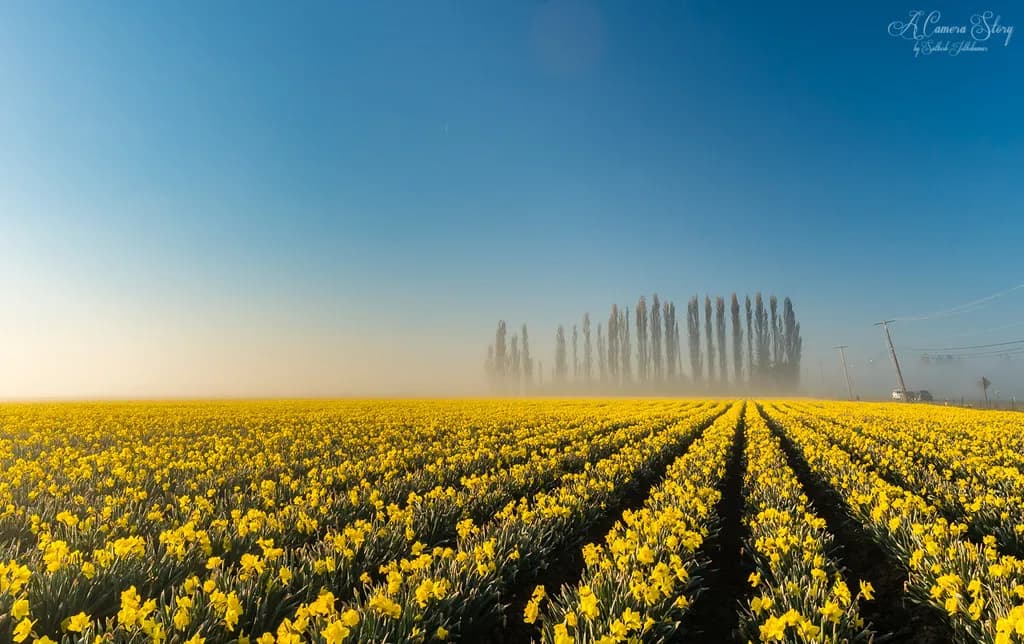
Multiple reports indicate spring flowers are blooming earlier than normal in southern England. The Met Office recorded a high of 26.5C (79.7F) at Kew Gardens last Wednesday, marking the hottest day in the first half of April since 1946. Tim Upson, the Royal Horticultural Society's director of gardens and horticulture, said spring has arrived notably early in the south this year, with cherry blossom and magnolias in full flower at least two weeks ahead of usual at RHS Garden Wisley.
Weather patterns have created ideal conditions for vivid displays. A heatwave followed by a cold snap with temperatures dropping by as much as 10C created optimal conditions for spectacular spring blooms, according to major media reports. A warm start to spring after a mild, wet winter has meant optimal conditions for a vivid display of spring flowers in some places this year. Wet earth, plenty of sunshine, and a lack of frosts have combined to give some plants a noticeable head start. March delivered some notably warm weather for England and Wales in particular, alongside plenty of sunshine, Met Office figures show.
Throughout spring it is typical to experience episodes of warmer and cooler weather accelerating and decelerating plants’ development across the UK. Spring has arrived notably early in the south this year, with RHS Garden Wisley seeing cherry blossom and magnolias and our celebration of tulips in full flower at least two weeks ahead of usual, giving way to the camassia and rhododendrons which are starting to bloom and will be at their best in the coming weeks. In contrast, signs of spring are only just beginning to emerge in our northern gardens at RHS Garden Harlow Carr and RHS Garden Bridgewater, where the temperatures have remained cooler, slowing the season’s progress. As we move into late spring at RHS Garden Wisley in the south, the north is just heading into early spring giving those willing to travel a second chance to enjoy one of the UK’s most-loved seasons at its peak.
Regional contrasts are stark across the UK. Signs of spring are only just beginning to emerge in northern gardens at RHS Garden Harlow Carr and RHS Garden Bridgewater, where temperatures have remained cooler, Upson noted. Further north, spring has been slower to get off the mark as cooler and wetter weather has held on for longer. The weather since the start of meteorological spring on 1 March has seen a marked north/south split across the UK, with successive low pressure systems delivering a lot of rain to parts of Scotland, Northern Ireland, and north-west England, and higher pressure meaning much drier weather further south. At the halfway stage in spring, Kinlochewe in Scotland has received 110% of its average spring rainfall, while Shoeburyness in Essex has had only 11%. Temperatures for April show a regional contrast, with Northern Ireland -0.4C below average and England 0.8C above average so far this month.
Specific garden observations highlight the early bloom. According to BBC News, Edward Barham described this year's bluebell display at Hole Park Gardens in Kent as magnificent, probably one of the best of recent years, and at least two weeks ahead of schedule. According to BBC News, David Knott described plants like magnolias and rhododendrons that flower on last year's growth getting a boost from the weather in 2025 and now flowering perhaps seven to 14 days earlier than normal at the Royal Botanic Garden in Edinburgh. Horticultural experts predict the UK could be in for an explosion of spring colour over the next two weeks as warmer conditions bring flowers rapidly into bloom. The Royal Horticultural Society is predicting that mild weather, rising temperatures, and some sunshine will lead to colourful displays as daytime highs are forecast to reach double figures and night-time temperatures stay above 5C.
Magnificent - probably one of the best of recent years. This is certainly the earliest we have seen the bluebells come into flower - at least two weeks ahead of schedule - brought on to their peak by the very warm weather around Easter time.
RHS gardens are already showing vibrant development. Late-winter flowering bulbs and shrubs including crocus, snowdrops, witch-hazels, and hellebores already out in RHS gardens are being quickly joined by early daffodils, camellias, cyclamen, and hyacinths in the mild conditions, the Royal Horticultural Society reported. At RHS Garden Wisley, the lack of a prolonged cold spell in the South which would normally stall growth means that hoop daffodils on the alpine meadow are already starting to emerge, camellias are coming through, and magnolia buds are unfurling quickly, Upson said. Yoshino cherry trees are coming into bud, while thousands of tulips planted for a striking display in April are on track to bloom early if the mild weather continues, he added.
The impact on flower shows remains uncertain. The colder weather has slowed down the early blooming of flowers, meaning prize blooms should be safe for upcoming flower shows, according to major media reports. The specific dates of the heatwave and subsequent cold snap have not been confirmed, and it is unclear how exactly the early blooming will affect the schedule and quality of upcoming flower shows like Chelsea. Long-term ecological impacts on UK wildlife and plant cycles also remain unknown.
Spring is slightly behind due to cooler temperatures. Cherry blossoms there are in flower now with the main spectacular rhododendron display to follow.
Spring plants at the charity’s sites were coming into flower very quickly, and there was likely to be a “welcome explosion of colour and new life over the next two weeks”. At RHS Garden Wisley in particular, the lack of a prolonged cold spell in the South which would normally stall growth means that we are not even out of February yet and the hoop daffodils on the alpine meadow are already starting to emerge. The camellias are coming through, and you can almost see the magnolia buds unfurling before your eyes.