

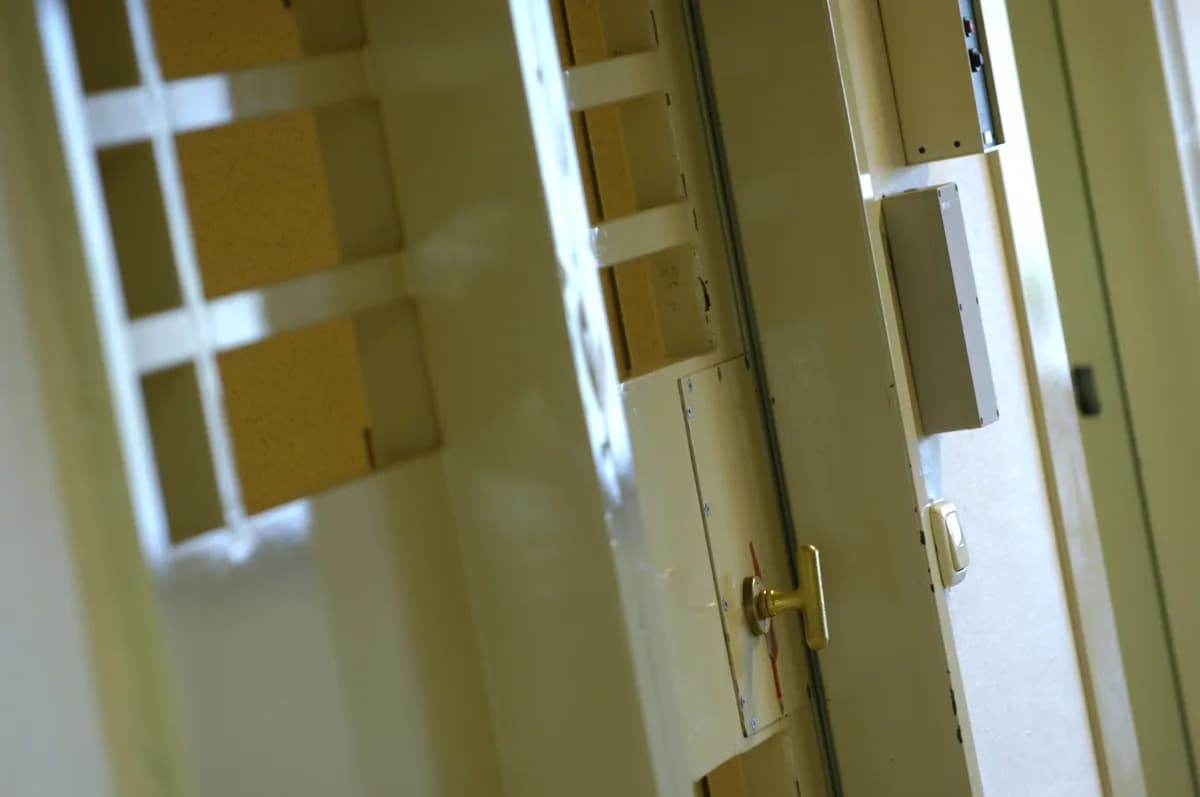
The Cuban government said this sovereign decision is a common practice in Cuba's criminal justice system and coincides with the approach of Holy Week. Over the last three years, another 10,000 people who had been imprisoned were released through various other forms of relief. Since 2010, the government has granted pardons to 9,905 inmates. The announcement was made before Cuban President Miguel Díaz-Canel is scheduled to speak early Friday to address national and international issues, and its timing coincided with the most intense pressure campaign applied by Washington in decades.
The choice of prisoners for the 2,010 pardons was based on the nature of their crimes, good behaviour in prison, health reasons, and time served, the Cuban government said. The humanitarian gesture would include young people, women, and prisoners over 60 years old scheduled for early release within the next six months to a year. However, the individuals being released would not include people who committed murder, sexual assault, drug-related crimes, theft, illegal slaughter of livestock, or crimes against authority. The Cuban government said foreigners were among those being pardoned, as well as Cuban citizens living abroad and sentenced in absentia.
Cuba was in deep trouble as he threatened a friendly takeover of the Caribbean country.
Uncertainties surround the prisoner identities and political status. The Cuban government has not said who will be pardoned, what crimes they committed, or when they will be set free. For the separate release of 51 prisoners as a demonstration of goodwill following talks with the Vatican, the Cuban government did not specify whether they included political prisoners, but said they had all served a significant portion of their sentences and maintained good conduct. It is unclear how many of the 51 prisoners have been held on common crimes or charges related to public displays of dissent.
The release of the 51 prisoners comes two weeks after Foreign Minister Bruno Rodríguez met Pope Leo in the Vatican. This move occurs amid a severe fuel crisis on the island. Cuban President Miguel Díaz-Canel said no fuel had entered Cuba in three months, and the country's electrical grid has become increasingly unstable due to fuel shortages. Cuba is experiencing several blackouts as the island struggles with fuel shortages, which have been made worse by pressure from the US.
Cuba needs to change dramatically because it is the only chance that it has to improve the quality of life for its people.
To mitigate the impact, Cuba had increased production of domestic crude and gas, as well as solar generation, the Cuban government said. Despite these efforts, millions lack electricity. The US has cut oil deliveries to Cuba, exacerbating the crisis. The announcement of the prisoner releases came days after Donald Trump eased a de facto oil blockade of Cuba by allowing a Russian tanker to deliver crude oil, and also on Thursday, Russia announced it would send a second oil tanker to Cuba.
Contradictory statements have emerged about US-Cuba talks. Cuban President Miguel Díaz-Canel said that US and Cuban officials were holding talks to find solutions to the two countries' differences. He added that talks between the two nations were in their initial stages, and were taking place on the basis of equality and respect for the political systems of both states, and for the sovereignty and self-determination of our governments. However, the Cuban government has denied that any official talks are underway with the US.
The government has always rejected any suggestion it makes decisions under U.S. pressure, and has yet to explicitly deny press reports that U.S. officials were in talks with Raul Guillermo Rodriguez Castro. Meanwhile, US officials have made pointed remarks about Cuba; at a press conference, Donald Trump said Cuba was in deep trouble as he threatened a friendly takeover of the Caribbean country, and later added Cuba may be subject to a 'friendly takeover,' then added 'it may not be a friendly takeover.' Marco Rubio, the US Secretary of State, stated at a press conference that Cuba needs to change dramatically because it is the only chance that it has to improve the quality of life for its people.
Political prisoner estimates add context to the releases. The nonprofit Prisoners Defenders said there were 1,214 political prisoners in Cuba as of February 2026. This backdrop raises questions about whether the prisoner releases address such cases, especially given the exclusions for crimes against authority. The timing of the announcement, made before Díaz-Canel's scheduled address and amid intense US pressure, suggests it may be part of broader strategic maneuvers. It remains unclear whether the 2,010 and 51 prisoner releases are separate announcements or part of the same initiative, and the full details and outcomes of any ongoing talks between US and Cuban officials are not confirmed.