

A humanoid developed by smartphone manufacturer Honor covered the distance in 50 minutes and 26 seconds, seven minutes faster than Ugandan Jacob Kiplimo's new world record for the half-marathon. The event details reveal a significant participation surge, with around 100 teams registered for the competition and a total of about 300 robots attempting the course. More than 70 teams took part in an overnight test run in Beijing's E-Town development zone ahead of the official race.
New awards have been introduced this year, including prizes for endurance and for simply making it to the finish line. Participation in the robot half-marathon has surged dramatically compared to last year, with the number of teams jumping nearly fivefold. Technological advancements and the competition format include both remotely controlled and fully autonomous robots, with around 40% of teams now relying on fully autonomous navigation.
A whole district was closed off for the competition, where 12,000 runners and the human-like robots ran on parallel tracks. The progress compared to last year's robots is striking, as at last year's inaugural event, only six of the 21 robots that started managed to cross the finish line, and the winning robot took two hours and 40 minutes to reach the finish line, far more than double the time of the human winner. This year, five humanoids ran under one hour, demonstrating improved performance.
Expert insights on current limitations of humanoid robots focus on adaptability and hand mobility challenges. Wang Xingxing, a founder in the field, stated that the biggest weakness in humanoids is the lack of ability to adapt. He noted that robots can perform amazing things as long as it happens under controlled conditions, but they have big problems and stand helpless when the world becomes unpredictable.
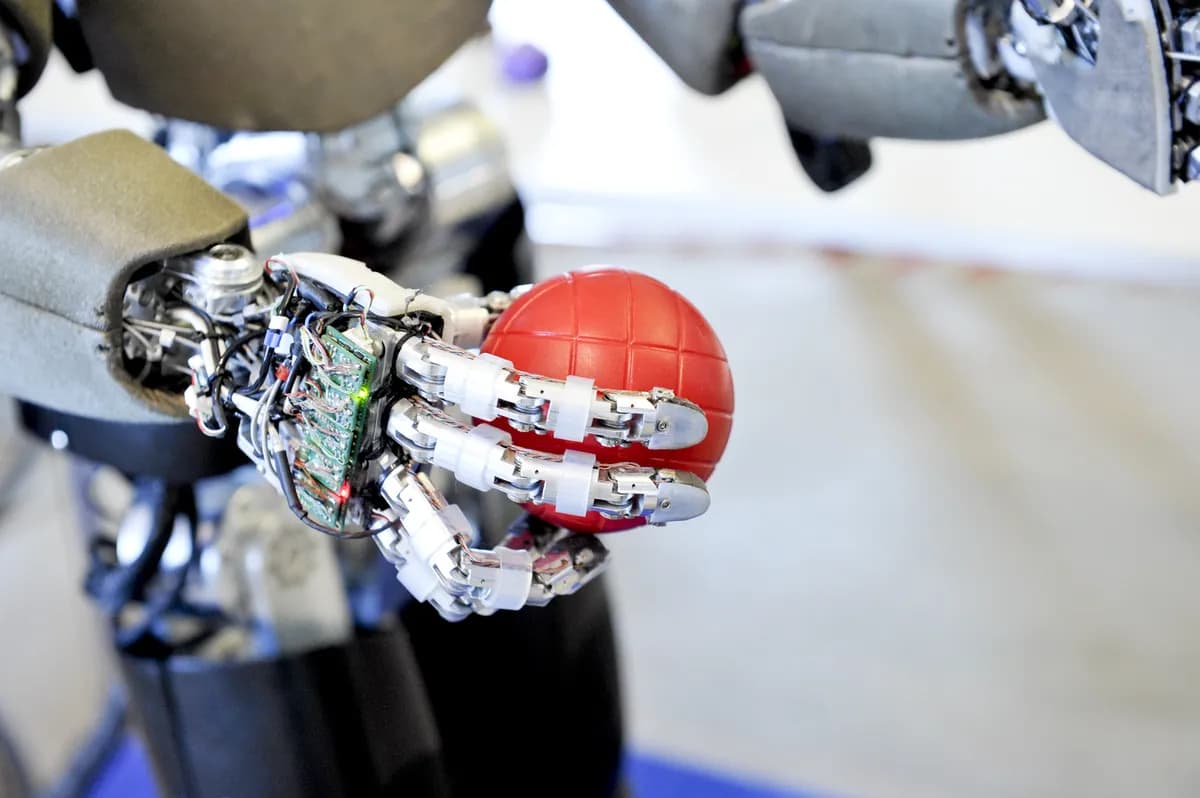
Another crucial difficulty consists in developing the mobility in the hands so that they become human-like. Future ambitions and industry goals for humanoid robotics dominance include aspirations to become completely dominant in the industry, with ongoing efforts to address these technological hurdles.