

China's factory activity expanded in March, ending a two-month contraction. The official manufacturing purchasing managers index (PMI) rose to 50.4 in March from 49 in February, according to the National Bureau of Statistics. This PMI reading of 50.4 beat economists' expectations and was the strongest in a year. PMI is measured on a scale of 0 to 100, with a reading above 50 indicating expansion.
This rebound comes as China confronts significant economic challenges. A years-long property sector slump has weighed on economic growth and weakened domestic consumption and investment demand. Chinese leaders in early March unveiled an economic growth target of 4.5% to 5% for this year. This year's growth target is slightly lower than the 'around 5%' target last year and the lowest since 1991. China is the world's second-largest economy after the U.S.
The economy has been reliant on growing exports to help drive its growth, especially to regions like Southeast Asia and Europe. China's trade surplus last year reached a record $1.2 trillion despite higher U.S. tariffs. China's goods exports remained resilient in 2025 and boomed in early 2026, serving as a vital growth driver. However, China's exports to the U.S., its largest trading partner, have been in decline over the past months.
The latest official PMI data covered a period after the Iran conflict began on February 28. Analysts say the impacts of surging energy costs from the Iran conflict have not yet been fully seen. China's export engine could hit headwinds as the Iran conflict drives up energy costs and disrupts supply chains.
The conflict began with U.S.-Israeli attacks on Iran on February 28. Roughly a fifth (20%) of the world's oil normally passes through the Strait of Hormuz. Iran has restricted or blocked shipments through the Strait of Hormuz in response to the conflict.
China is particularly vulnerable as the world's largest oil importer and largest buyer of oil. China imports up to about 1.4 million barrels per day from Iran, representing 13% of its total crude imports. China's access to Iranian oil has been cut off or reduced due to the conflict, creating a shortfall of 1-1.4 million barrels per day.
China does possess some protective measures against such energy shocks. The country has massive oil stockpiles and diversified sourcing, offering short-term protection against energy shocks. Russia is China's biggest oil supplier, accounting for nearly a fifth of its energy imports.
The conflict's damage extends beyond Iran. Key oil and gas facilities in Gulf states, including a major LNG production base in Qatar, have been damaged. The EU relies on energy imports, including 6% of its LNG from Qatar via the Strait of Hormuz, making it vulnerable to disruption.
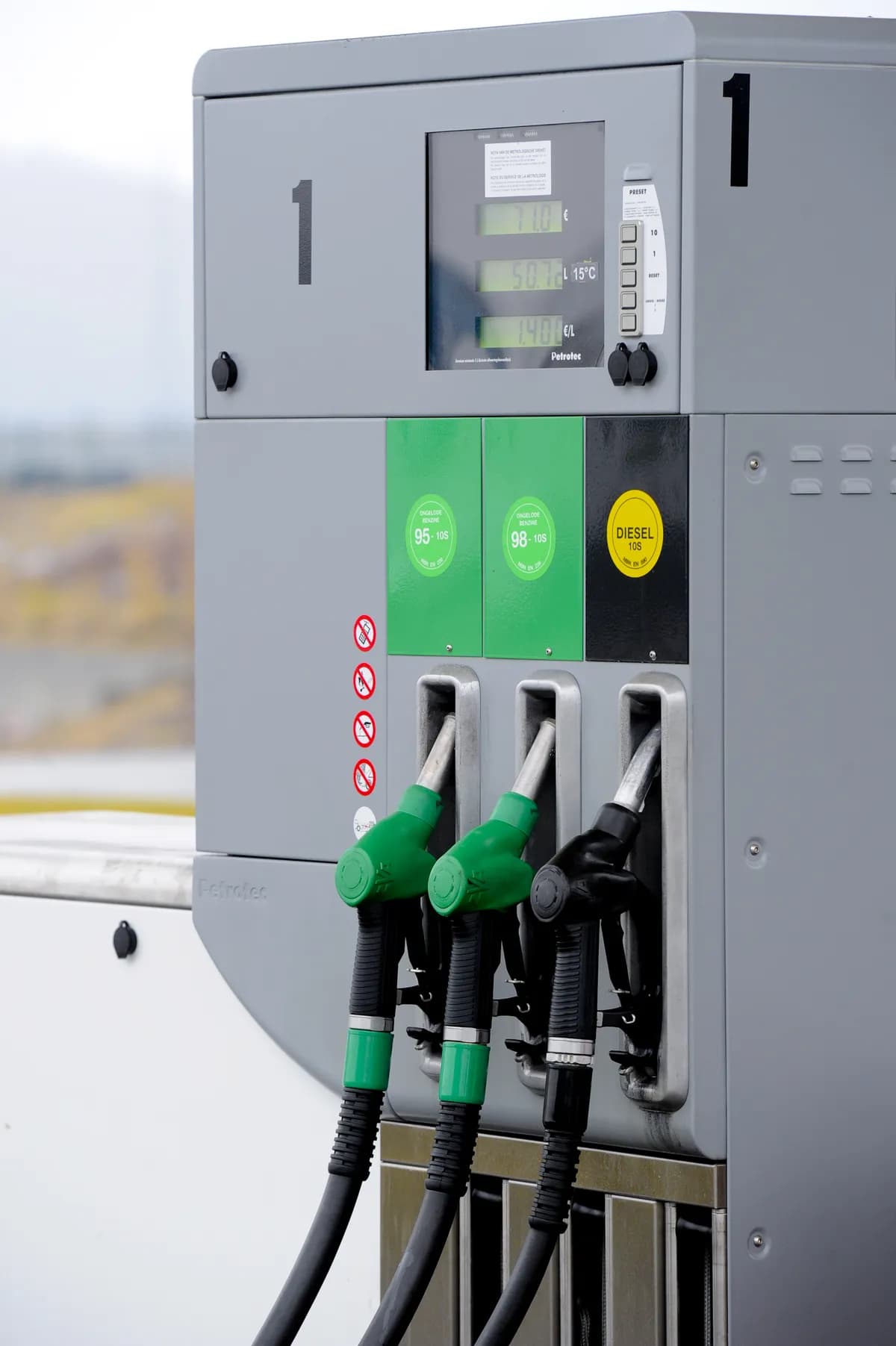
Immediate price impacts are already being felt in Europe. Italy has seen petrol and diesel prices rise by at least 3% since the start of the conflict, with peaks of almost +6% for diesel. Spain has seen an 80% rise in gas prices.
Broader global impacts are hitting developing nations hard. Countries like Indonesia, Thailand, Bangladesh, India, Pakistan, Egypt, and Vietnam have implemented energy-saving measures or faced price increases due to the conflict. Energy importers are more exposed than exporters to the shock from the conflict. Low-income countries are especially at risk of food insecurity due to higher food and fertilizer prices.
The international community has begun to respond. The International Energy Agency committed to releasing 400 million barrels of oil from emergency reserves to stabilize supply chains.
For China, the conflict poses inflation and demand risks to its crucial export sector. Higher global inflation could weaken consumption demand for Chinese goods. The war could shape the global economy in different ways, but all roads lead to higher prices and slower growth.
Economists are closely watching for positive signs in trade relations between Washington and Beijing. U.S. President Donald Trump is expected to meet with Chinese leader Xi Jinping in May. Some analysts say lower U.S. tariffs following a recent Supreme Court ruling against Trump's wide-reaching global tariffs could give China a small boost to exports and factory activity.
Key unknowns remain about the conflict's duration and China's mitigation efforts. It is unclear what specific measures Chinese authorities are taking to mitigate the energy shortfall and protect industrial production.
Further uncertainties surround the effectiveness of the International Energy Agency's release of 400 million barrels of oil in stabilizing global supply chains and the outcome of the expected May meeting between Trump and Xi regarding trade relations.