

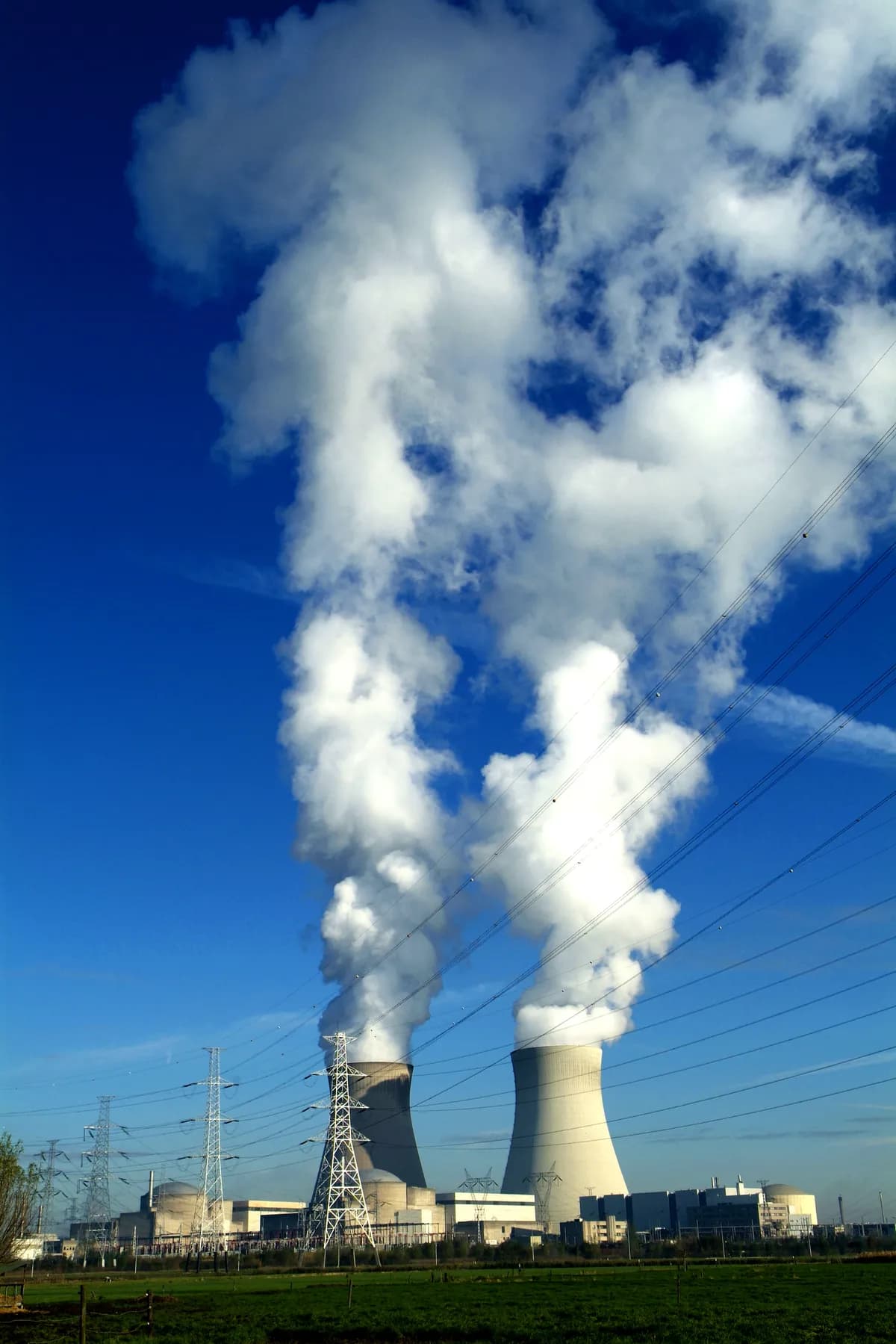
The drone impact in February 2023 degraded the steel structure of the New Safe Confinement dome, which no longer blocks radiation effectively, according to the IAEA. Kyiv has repeatedly accused Russia of targeting the Chernobyl plant since Moscow launched its full-scale invasion of Ukraine in 2022. Greenpeace reports that a potential collapse of the internal radiation shelter could risk releasing radioactivity into the environment.
The concerns center on the site of the world's worst nuclear disaster. On 26 April 1986, a reactor at the Chernobyl plant exploded, contaminating a vast area spanning Ukraine, Belarus and Russia. After the disaster, an inner steel-and-concrete structure known as the sarcophagus was hastily built around the destroyed reactor to prevent further radiation leaks. In November 2016, a high-tech metal dome called the New Safe Confinement was constructed at a cost of €1.5 billion to reinforce the inner shell.
IAEA Director General Rafael Grossi said an inspection confirmed the protective structure had lost its primary safety functions, including the confinement capability, but found no permanent damage to its load-bearing structures or monitoring systems. The agency initially had not reported any radiation leaks from the drone impact. Grossi added that while some repairs had taken place, comprehensive restoration remains essential to prevent further degradation and ensure long-term nuclear safety.
Greenpeace warned that the lack of full restoration increases the risk of radioactivity release, especially in the case of a collapse of the internal structure. The organization reported that despite some repair efforts, the protective shield has not yet been fully restored. Deconstruction of unstable elements of the inner shell is crucial to prevent an uncontrolled collapse, according to Greenpeace.
Inside the sarcophagus remain four tonnes of highly radioactive dust, fuel pellets, and enormous amounts of radioactivity. The New Safe Confinement cannot be repaired at the moment and cannot function as it was designed.
Additional threats compound the situation. If a rocket drops within 200 meters of the safe confinement, it will create an external impact like an earthquake, increasing the risk of the inner shell collapsing. Radioactive particles do not recognize borders, highlighting the transnational implications of any release.
Financial challenges further complicate repairs. French Foreign Minister Jean-Noel Barrot estimated the dome required almost €500 million in repairs.