

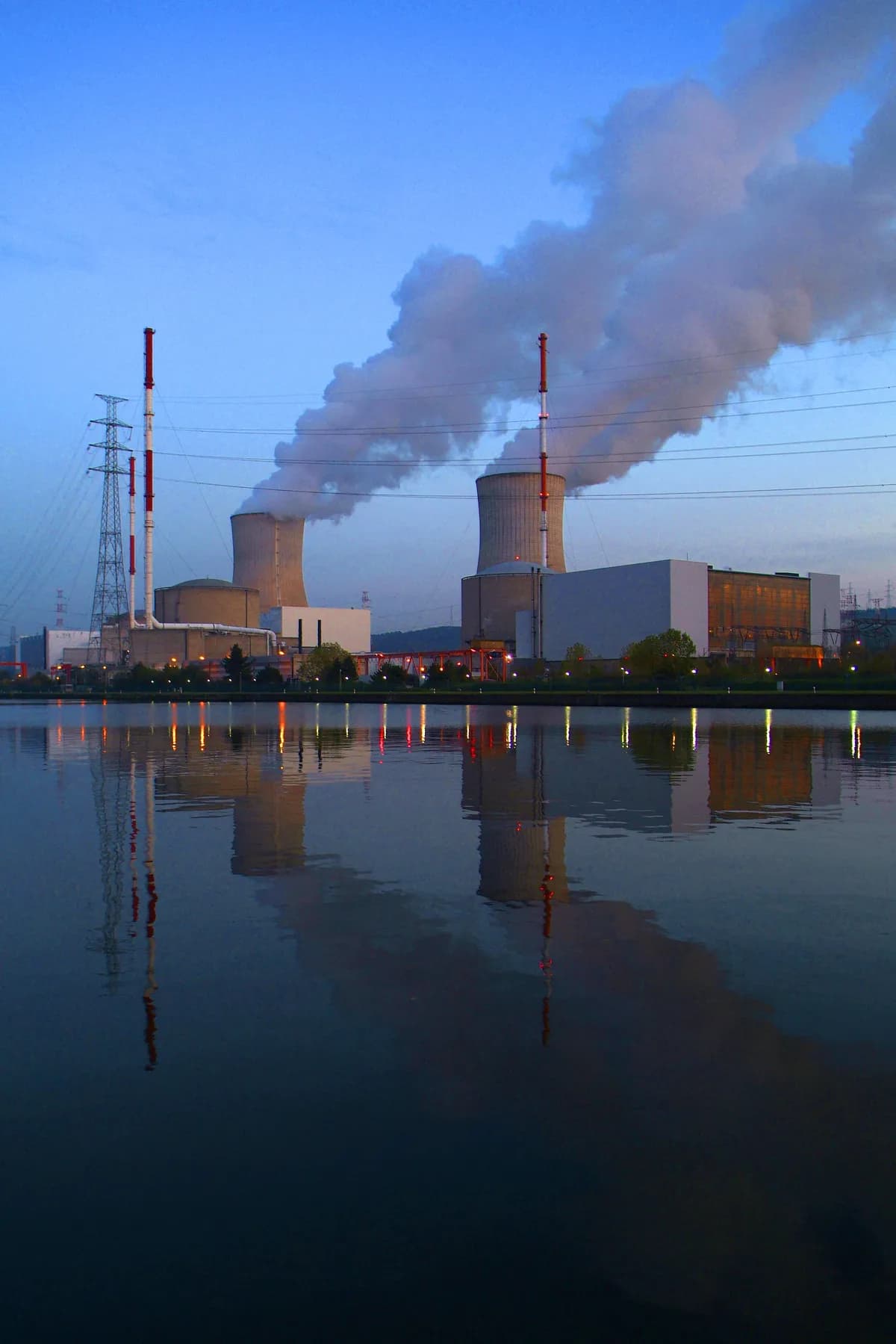
The Chernobyl nuclear accident occurred on April 26, 1986, at the Chernobyl plant near Pripyat, Ukraine, then part of the Soviet Union. The accident occurred less than 2.5 miles (4 km) from Pripyat. The explosion and fire released a hundred times more radiation than the atomic bombs at Hiroshima and Nagasaki, according to major media reports.
The accident was caused by a safety test at Reactor No. 4 where operators switched off almost all safety features and a flaw in the control rods caused them to jam, major media reported. Inspectors said the accident was caused by human errors and violations of operating rules. The Soviet reactor design (RBMK) lacked a containment structure, unlike Western reactors.
Two plant workers were killed within hours of the meltdown, and 28 people died from radiation poisoning, including firefighters, according to major media. Thousands or possibly millions have died from radiation-associated illnesses, though the exact number of deaths attributable to the disaster remains unknown.
Information about the accident was strictly controlled in the Soviet Union; radio broadcasts did not mention the incident, major media reported. On the morning of April 26, 1986, residents saw soldiers in gas masks and men washing the street with a foamy solution. Authorities told residents not to panic and that all planned events should go ahead.
As a condition of entry into the EU, all countries using the RBMK design had to permanently cease operations, according to major media.