

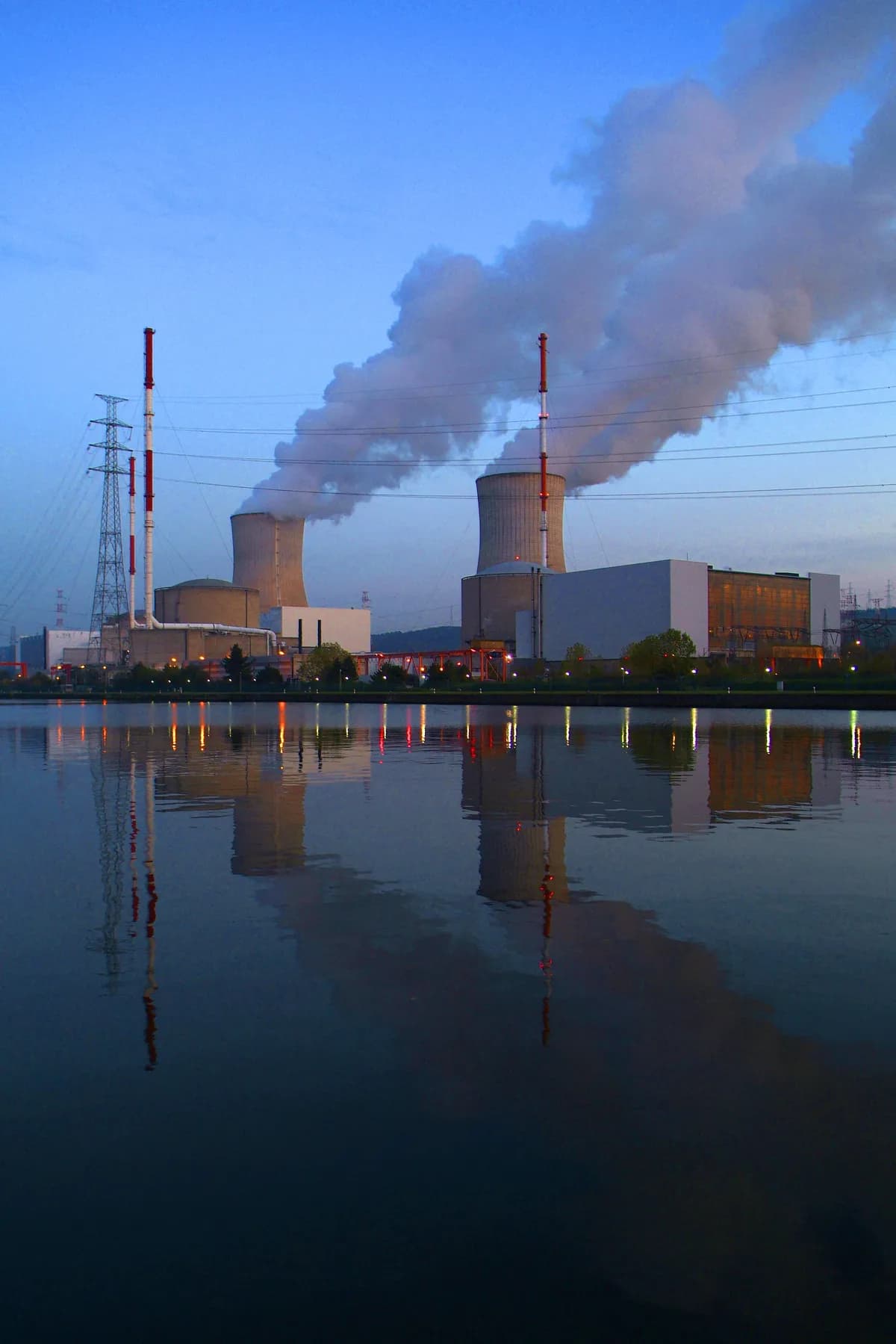
The explosion released radioactive material hundreds of times greater than the atomic bombs dropped on Hiroshima and Nagasaki, according to multiple reports. Two plant workers were killed within hours of the meltdown, and 28 more people died from radiation poisoning, including firefighters, major media reported. Thousands or possibly millions have died from radiation-associated illnesses, including children, according to some reports.
The Soviet Union initially withheld information about the accident, and official media did not report it for two days, according to multiple reports. Radioactive fallout was detected across northern and central Europe, including at the Forsmark nuclear power plant in Sweden. The Soviet authorities told the public not to panic and allowed planned events to continue, including sending children to school.
We had no other protective equipment than ordinary smoke masks.
According to major media, a design flaw in the control rods caused them to jam, leading to a power surge and steam explosions that destroyed the core and ignited a graphite fire. The Soviet reactor design (RBMK) lacked a containment structure, unlike Western reactors, major media reported. As a condition of entry into the EU, all countries using the RBMK design had to permanently cease operations.
Firefighters worked through the night to prevent the fire from spreading to other reactors, despite high radiation levels and lack of protective equipment, according to major media. According to SVT Nyheter, Petro Chmel described having no other protective equipment than ordinary smoke masks. The KGB and East German Stasi kept detailed records of the disaster but only top officials had access, fearing reputational damage, major media reported. What specific information they had that was withheld from the public is not known.
The firefighters who went in first, their skin was like grilled.
Iryna Stetsenko and Serhiy Lobanov were married on the day of the accident, unaware of the explosion 4 km away. Serhiy Lobanov saw soldiers in gas masks and men washing the street with a foamy solution on the morning of the accident, major media reported. The Soviet authorities told the public not to panic and allowed planned events to continue, including sending children to school.