

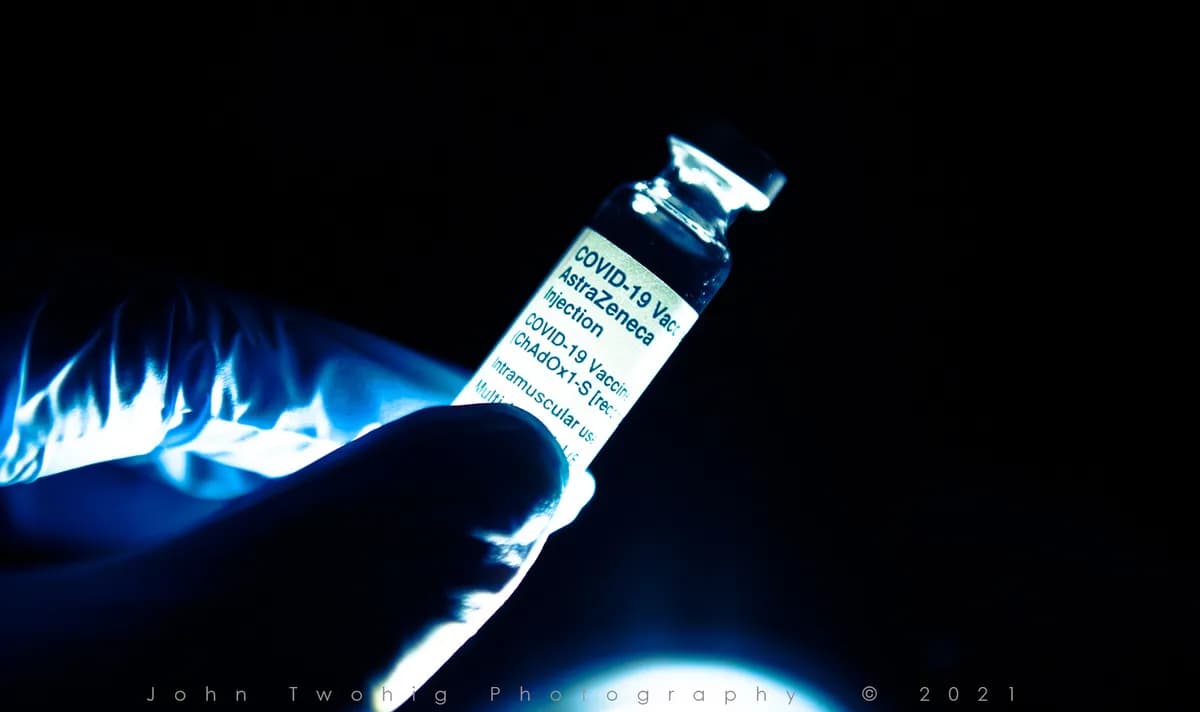
The report found that healthy adults who received the Covid vaccine cut their risk of urgent care and emergency visits by 50 percent, and Covid-related hospitalizations by 55 percent, compared to adults who did not receive a dose in 2025 or 2026. The research was due to be published March 19 in the Morbidity and Mortality Weekly Report, the CDC’s premier scientific journal. Acting CDC Director Jay Bhattacharya delayed the report over methodological concerns, despite it having been green-lit by the CDC's scientific review process.
This postponement occurred even though the CDC has a long history of using the same methodology to assess respiratory virus vaccines, including flu shots, and those methods underpinned a 2021 New England Journal of Medicine study on Covid vaccine effectiveness. Bhattacharya, who is also director of the National Institutes of Health, is now set to meet with CDC scientists to discuss the report. The stalled publication has sparked concerns that information conflicting with the views of Health and Human Services Secretary Robert F.
It’s a real-world approach where you can’t control differences between people who get vaccinated and those who don’t, and how that influences their likelihood of getting infected.
, a longtime vaccine skeptic, may be sidelined. The CDC insists the move followed standard procedure. The acting director’s delay was not unusual.
S. population. However, Dan Jernigan, a former head of the CDC's vaccine safety office, said the report's methodology isn't flawless but is still well-suited for tracking vaccine performance.
Jernigan described it as a real-world approach where you can't control differences between people who get vaccinated and those who don't, and how that influences their likelihood of getting infected, adding that the report's release might undercut Kennedy's vaccine narrative.