

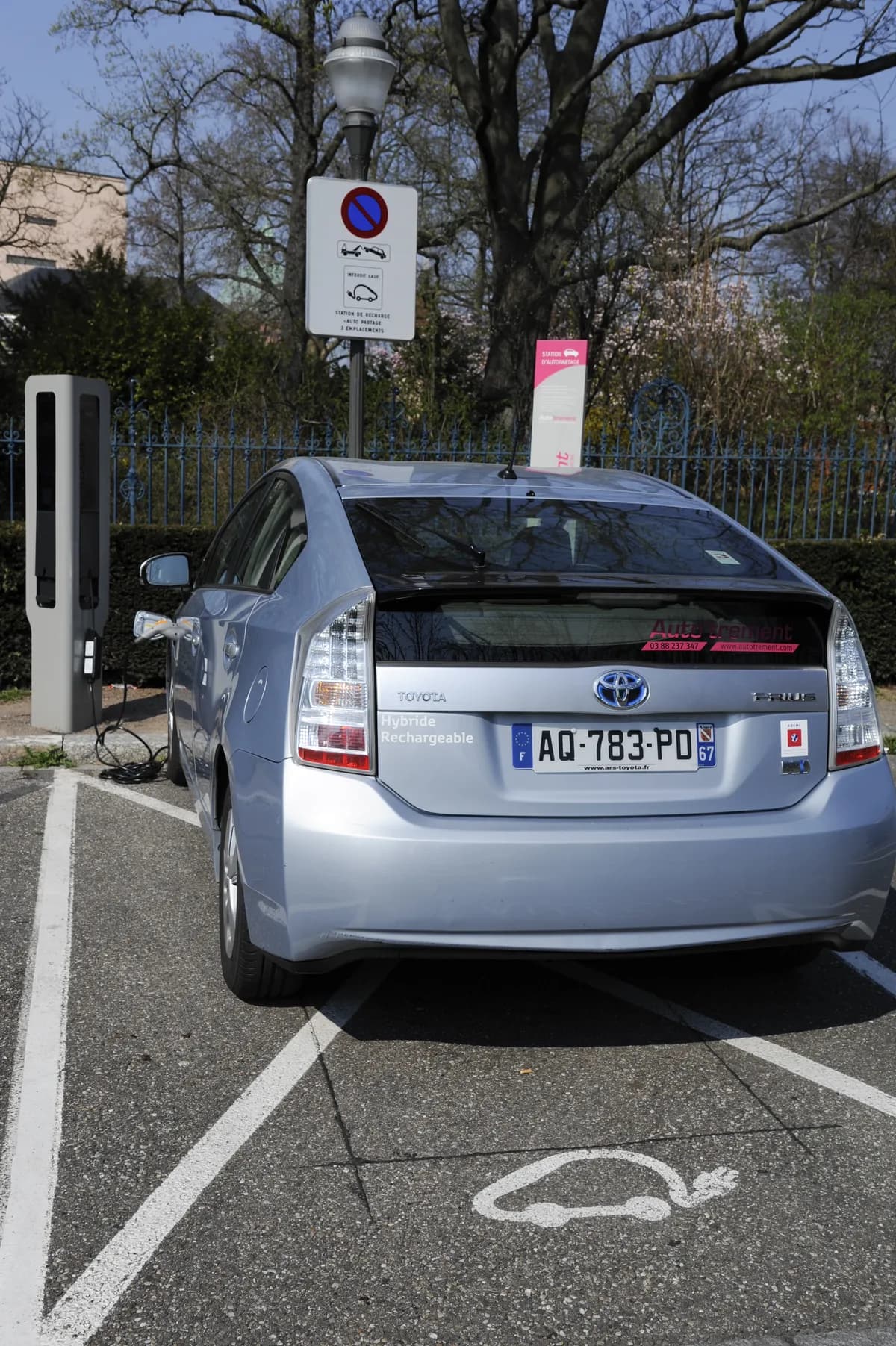
BYD's Flash Charging technology can recharge an EV battery from 10% to 70% in five minutes, according to the company. This system utilizes charging stations capable of delivering peak power up to 1500 kW, according to BYD. The technology is being introduced to the UK, according to multiple reports, though the exact timeline for its availability in European markets remains unclear. BYD's Flash Charging infrastructure represents a major investment in high-power charging networks, which could enable widespread adoption of ultra-fast charging for electric vehicles.
Supporting this fast-charging capability is BYD's new Blade-2.0 battery, which is designed for 3000 charge cycles or a lifespan of 1.2 million kilometers, according to major media reports. Production costs for the Blade-2.0 battery have been reduced by 15%, according to those same reports. This battery technology is expected to debut in BYD's luxury brand, with the Denza Z9GT serving as the technology-focused brand's first EV, according to reports. The extended lifespan and reduced costs of the Blade-2.0 battery could make electric vehicles more affordable and durable over time.
Meanwhile, CATL has unveiled its Shenxing battery, which the company claims charges from 10% to 98% in six minutes and 27 seconds, according to major media reports. This battery features the lowest electrical resistance of any commercial battery at 0.25 milliohms, according to CATL. The low electrical resistance contributes to faster charging speeds and improved efficiency, making the Shenxing battery a key competitor in the ultra-fast charging market.
CATL has also showcased innovations in long-range batteries, including a nickel-cobalt-manganese EV battery that can deliver 612 miles of range on a single charge, according to major media reports. Additionally, the company unveiled a condensed matter battery that provides 932 miles (1,500 km) of range, according to those reports. These advancements in battery range complement CATL's fast-charging technology, offering consumers both quick recharge times and extended driving distances.
The competitive landscape between these two Chinese giants is intensifying within the broader EV industry context. BYD overtook Tesla last year to become the biggest electric car producer in the world, according to multiple reports. CATL maintains its position as the world's largest maker of EV batteries, according to those same reports. This rivalry drives innovation as both companies seek to dominate the electric vehicle market through technological advancements.
BYD's luxury brand strategy includes the upcoming Denza Z9GT, which is the brand's first EV, according to reports. However, specific details about the payment system for BYD's Flash Charging stations have not been announced. The integration of Flash Charging technology into luxury vehicles could enhance the appeal of BYD's high-end models.
The charging benchmark claims from both companies present a direct contradiction in the fast-charging race. CATL's Shenxing battery sets a new benchmark with a full charge from 10% to 98% in six minutes and 27 seconds, while BYD's Flash Charging technology recharges from 10% to 70% in five minutes. These differing metrics highlight the competitive nature of the technology race, with each company emphasizing different aspects of charging performance.
Industry analysts have noted that both companies are pushing the boundaries of what's possible with current battery technology. The rapid advancements suggest that the race for charging supremacy is accelerating as electric vehicle adoption grows globally. Analysts predict that these developments could lead to faster adoption of EVs by addressing key consumer concerns about charging times.
The implications for EV adoption are significant, as faster charging times could address one of the primary concerns among potential electric vehicle buyers: charging convenience. However, the deployment of supporting infrastructure, particularly high-power charging stations, will be crucial to realizing these benefits. Without widespread infrastructure, the advantages of ultra-fast charging may not be fully accessible to consumers.
Several unknowns remain regarding the commercialization of these technologies. The timeline for BYD's Flash Charging rollout in the UK and other European markets has not been specified, nor has the exact availability date for CATL's Shenxing battery in production vehicles. It is also unclear which car manufacturers will adopt CATL's Shenxing battery technology. These uncertainties could affect how quickly these innovations reach the market.
Safety and durability concerns represent another area of uncertainty. The long-term implications of charging at such high speeds have not been fully documented. Questions remain about how repeated ultra-fast charging might affect battery lifespan and safety over time. Addressing these concerns will be essential for gaining consumer trust and ensuring the reliability of these technologies.
The competitive landscape between BYD and CATL is likely to drive continued innovation in both charging speed and battery range. As the two Chinese giants vie for technological leadership, consumers may benefit from faster charging times and longer ranges that make electric vehicles more practical. This competition could accelerate the overall transition to electric mobility, benefiting the global push toward sustainable transportation.