

Ebba Busch, leader of the Christian Democrats and Energy Minister, became visibly upset during an interview with SVT reporter Kristina Lagerström, accusing the questions of being politically biased. The interview was part of SVT's documentary 'Vid pump', which examines fuel prices and electric vehicle sales trends. According to TV4 Nyheterna, Ebba Busch described comparing calendars to assert that SD leader Jimmie Åkesson does not work as much as she or others do. She also directed sharp criticism at SVT itself, multiple reports indicate.
The documentary context highlights a stark contrast in electric vehicle adoption across the Nordics. Electric vehicle sales in Sweden have stagnated at just under 40%, while Denmark's reached nearly 70% and Norway's over 90% last year. During the interview, Ebba Busch refused to comment on a chart from the Climate Policy Council's March report that illustrated these Nordic sales disparities, according to multiple reports.
Being bound to fossil fuels delays seeing the benefits of not depending on them, using China's battery vehicle development as an example.
This stagnation coincides with significant shifts in government climate policy since the 2022 election. The government, which includes the Sweden Democrats, has slowed or reversed the climate transition away from fossil fuels in transport, multiple reports indicate. The expected sales increase of electric cars in Sweden has not materialized, a trend attributed to policies like reduced taxes on petrol and diesel and lower biofuel blending requirements.
External critics have been vocal about these policy directions. According to Hallandsposten, former EU Commissioner Franz Timmermans is critical of the Tidö parties' climate policy since the last election. From the opposition, according to Expressen, MP spokesperson Amanda Lind described Busch's criticism as a way to evade responsibility, calling the current climate policy a disaster.
Jimmie Åkesson (SD) does not work as much as she or others do, based on comparing their calendars.
Political tensions within the ruling Tidö agreement have surfaced publicly. Liberals and Moderates have agreed to include the Sweden Democrats in a possible future government, multiple reports indicate. At a press conference, Moderate leader Ulf Kristersson promised heavy ministerial posts to SD, a move that Ebba Busch reacted strongly to, according to multiple reports. According to TV4 Nyheterna, Ebba Busch stated she has not signed off on giving away certain government subject areas in advance.
SD sources reacted angrily to Busch's comments about their leader. One SD source described Busch's actions as disloyal for trying to score points on Åkesson's sick leave from 11 years ago. Another SD source called Busch's statement 'damn cheeky' and noted dissatisfaction with how little she has accomplished.
I have not signed off on giving away certain government subject areas in advance.
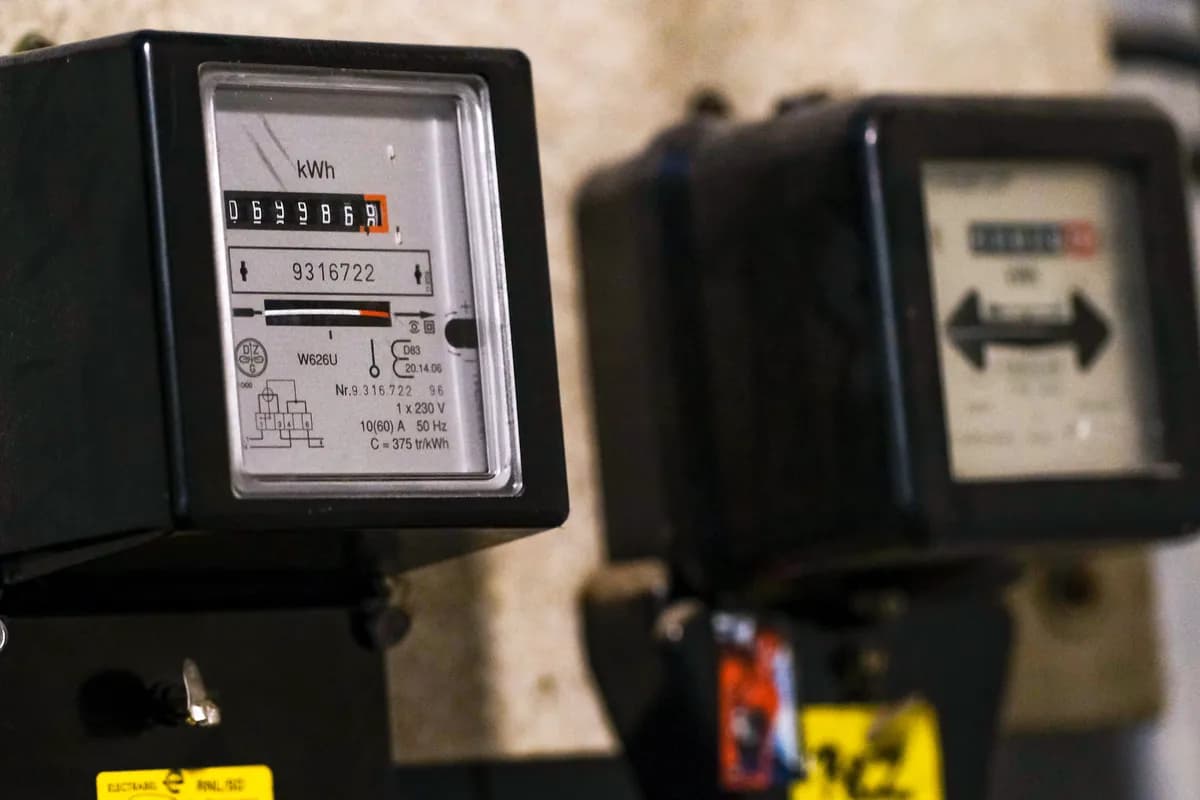
Parallel to these political clashes, the government is grappling with confusion over a new power fee system. There was great confusion among electric grid companies after the government's decision to stop the requirement for implementing criticized effect fees on electricity, multiple reports indicate. Effect tariffs are still scheduled to take effect by January 1, 2027 at the latest. The parties in the Tidö agreement have agreed to review the law on power fees, according to research by swedenherald.com.
Implementation of power fees has been uneven across the electricity market. Research indicates many electricity companies have already introduced a special fee on electricity bills based on how much electricity is consumed simultaneously. However, several large companies, including Vattenfall and Eon, have not introduced this special fee based on simultaneous consumption. From January 1, 2027, the law will require everyone to charge a power fee, research shows.
Busch's criticism is a way to evade responsibility, calling the climate policy a disaster.
The power fee system was designed with specific objectives in mind. The purpose of the power charge is to encourage electricity customers to spread their consumption over the day, according to research. Spreading consumption reduces pressure on the electricity system and allows more consumers to be connected without expanding the grid unnecessarily.
Public understanding and acceptance of the system remains low. Many households and businesses have contacted Ebba Busch and expressed concerns about the power fee system, according to her statements. Surveys have shown that many people do not understand the power fee system, research indicates.
We will review whether it is possible to make sensible adjustments to this, or whether we should simply stop it outright, and how, in such cases.
Electricity network companies that have implemented the system have voiced criticism. The change has been met with criticism from electricity network companies that have already introduced the system, resulting in more expensive electricity bills without understanding why, according to research. Electricity network companies are not allowed to increase the overall fee for the entire customer group, so when some lose out, those who can even out their electricity consumption become winners on the new power tariffs.
Different companies have developed varied approaches to calculating these fees. Different electricity companies have different ways of solving the power tariff system, but essentially the customer partly pays for their occasional power peaks during a month, research shows. In Ellevio's case, the fee consists of three parts and an additional rule for nights: a fixed fee, transmission fee, power charge based on the average of the three highest power peaks, and at night only half the power peak is counted.
It has had completely unreasonable consequences. I have said that we have to clean this up.
Significant unknowns remain about the government's planned review of the power fee system. How the review will work or which authority will be tasked with reviewing the issue is not yet clear, according to research. The specific adjustments or outcomes being considered in this review have not been detailed publicly.
The reasons behind Sweden's electric vehicle sales stagnation compared to its Nordic neighbors remain unclear despite policy explanations. The exact factors driving this disparity with Denmark and Norway have not been fully articulated by government officials.
It doesn't help electrification in the way that was initially thought.
The agreement between Liberals and Moderates to include the Sweden Democrats in a possible future government lacks public specificity. The full details of this arrangement, including potential ministerial allocations and policy concessions, have not been disclosed.