

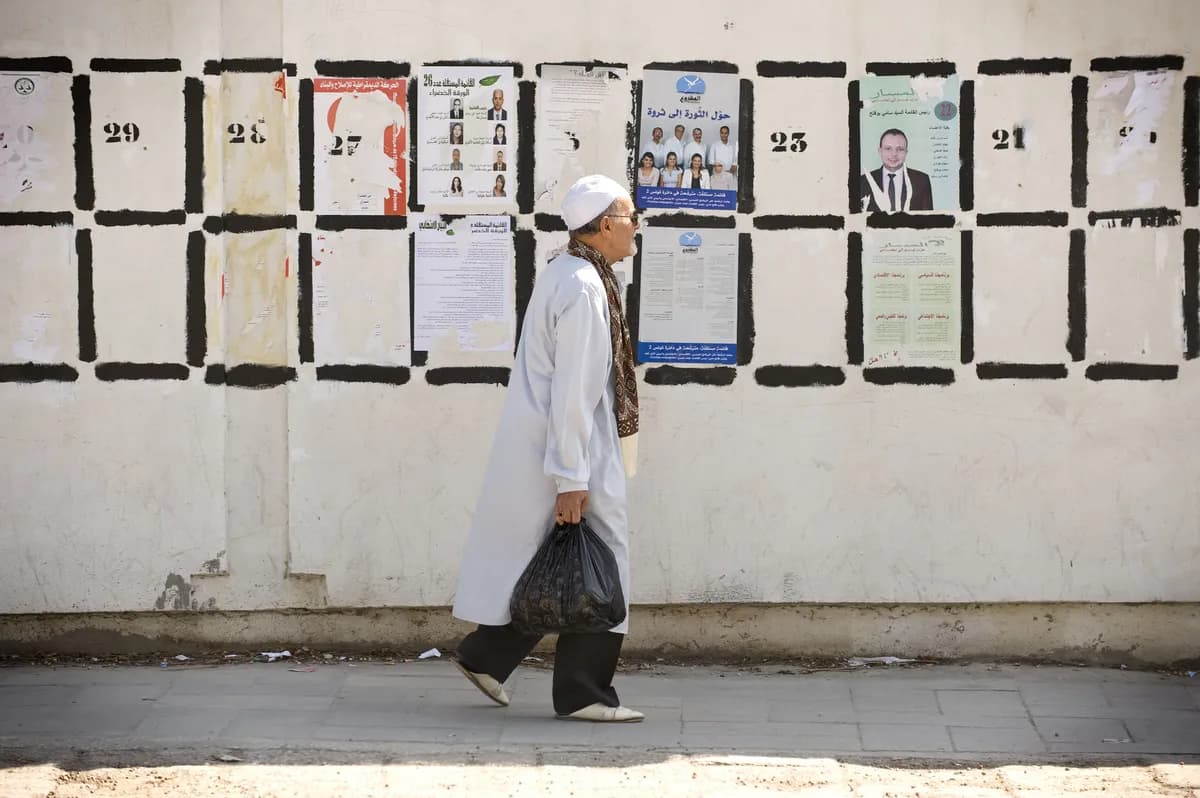
The election follows years of political instability with no government surviving a full term since 2021. Bulgaria has cycled through caretaker administrations, fragile coalitions, and short-lived alliances that have often collapsed amid scandal, according to major media reports. Following several snap elections, the Bulgarian National Assembly had failed to put together a long-lasting government since 'anti-corruption' parties made a breakthrough in the April 2021 election, according to major media reports. Public trust has all but evaporated, and voter turnout has entered a state of chronic decline, according to major media reports.
Radev resigned as president in January to form or lead Progressive Bulgaria. He has positioned himself as the man who would 'break the oligarchy', aiming to dismantle oligarchic governance and fight corruption. According to major media reports, Radev advocates for renewing ties with Russia and opposes military aid to Ukraine. He has also criticized EU policies, such as green energy or arms support to Ukraine, and has expressed admiration for Hungary's Viktor Orbán, according to major media reports.
Radev calls for a more normal stance towards Russia.
Major political rivals include Boyko Borissov and his GERB party, which often come second in polls, according to major media reports. In the June 2024 election, GERB-SDS had the best results, winning nearly 24% of the vote and 68 seats, but it did not obtain a majority in the National Assembly, according to major media reports. The 2023 election saw little change from 2022, with Boyko Borissov's centre-right GERB-SDS narrowly coming in first place, above the centrist PP-DB alliance, according to major media reports. The far right Revival (VAZ) and the populist There is Such a People (ITN) made gains, with the latter re-entering the Assembly after it failed to reach the electoral threshold in 2022, according to major media reports.
Bulgaria has taken major steps forward in its European integration, joining Schengen and adopting the euro, often without a functioning government or passed state budget, according to major media reports. It joined the eurozone and Schengen recently but remains the EU's poorest member. However, delays in reforms have slowed access to EU recovery funds, raising the risk of losing billions, according to major media reports.
Radev argues that Crimea is Russian regardless of what anyone claims.
Recent political developments have been marked by failed government formations. This parliamentary election was initially scheduled to be held before 12 June 2027; however, the planned rotation agreed to by GERB and PP-DB failed to materialise in March 2024, and no other government could be formed, according to major media reports. The final of three government formation attempts failed on 5 August 2024, according to major media reports. On 9 August, the Bulgarian President as a consequence instead appointed Goritsa Grancharova-Kozhareva (Vice President of the Bulgarian National Audit Office) as the next caretaker prime minister, according to major media reports. Grancharova-Kozhareva was granted ten days to form a proposal for the next caretaker government to be appointed on 20 August 2024, with the upcoming next parliamentary elections expected to be held on 20 October 2024, according to major media reports. On 19 August, the proposed Grancharova-Kozhareva caretaker government was rejected by the Bulgarian President, as he opposed the proposal to allow the controversial figure Kalin Stoyanov to continue as interior minister, according to major media reports. On 27 August, the President instead issued a decree to appoint the Second Glavchev Government as the next caretaker government to replace the First Glavchev Government (with 17 out of 20 ministers being reappointed), and scheduled a new round of early parliamentary elections to be held on 27 October 2024, according to major media reports.
Previous coalition attempts included a rotation agreement. On 22 May 2023, the PP- and GERB-led alliances agreed to form a government with a rotational premiership, with Nikolai Denkov as Prime Minister for the first nine months and Mariya Gabriel as deputy prime minister and foreign affairs minister, switching after nine months, according to major media reports. Denkov resigned in accordance with the rotation agreement on 5 March, to allow Gabriel to become the new Prime Minister, according to major media reports. On 20 March 2024, the planned government rotation and signing of a renewed government failed due to disagreements between the two alliances on the cabinet, according to major media reports.
An EU source says Radev is not comparable to Orbán in experience or influence.
Mass protests in December 2025 led to the resignation of the previous government. At the centre of public anger were GERB's leader and former Prime Minister Boyko Borissov, and Delyan Peevski, a controversial political heavyweight sanctioned under the US Magnitsky Act, according to major media reports. Critics accuse Borissov and Peevski of operating in tandem, consolidating control over the state and concentrating power mostly with Peevski, even though he was not officially part of the ruling coalition, according to major media reports. The protests were fueled in part by the opposition alliance We Continue the Change-Democratic Bulgaria (PP-DB), which attempted to reinvent itself after losing credibility for having previously governed alongside the very figures it opposes, according to major media reports. PP-DB's renewed vow 'never again' struck a chord, helping drive thousands into the streets and ultimately forcing the government's resignation, according to major media reports.
Election day details include early parliamentary elections held in Bulgaria on 9 June 2024 to elect members of the National Assembly, according to major media reports. The election coincided with the European Parliament election on the same day, according to major media reports. Voter turnout was 34%, which was the lowest turnout since the end of communist rule in 1989, according to major media reports. However, voter turnout is expected to be higher than in recent elections for the upcoming vote, according to major media reports. The election day was calm with minor procedural issues, such as electronic voting machine failures, according to major media reports. The new elected 50th Parliament replaced the 49th Parliament, when all elected members were sworn in on 19 June 2024, according to major media reports.
Radev denies having a pro-Russian stance, calling his positions pro-Bulgarian and pro-European.
International observers from OSCE/ODIHR and the Council of Europe stated the election was generally fair but highlighted problems like vote-buying and polarization, according to major media reports. Authorities arrested hundreds and seized money linked to alleged vote-buying, according to major media reports. Media coverage was influenced by paid agreements and self-censorship, limiting informed voter decisions, according to major media reports. Disinformation spread on social media during the campaign, according to major media reports.
Russia's influence has been a significant factor. Russia's all-out war in Ukraine has exposed a stark fault line running through both society and the political class in Bulgaria, according to major media reports. Bulgaria requested EU assistance to counter Russian influence campaigns, according to major media reports.
Radev said Crimea is Russian and encouraged Ukraine to seek peace.
Radev's coalition is expected to need coalition partners to govern, according to major media reports. The exact composition of a potential governing alliance remains unclear, as does the current percentage of support for Progressive Bulgaria in the latest polls. Specific measures Radev might implement to dismantle oligarchic governance and fight corruption have not been detailed.
Implications for Bulgaria's EU and Russia relations under Radev are uncertain. According to Sveriges Radio Nyheter, Rumen Radev described a need for a more normal stance towards Russia. According to Aftonbladet, Rumen Radev described Crimea as Russian and encouraged Ukraine to seek peace. However, according to Aftonbladet, Rumen Radev also described his positions as pro-Bulgarian and pro-European, denying having a pro-Russian stance. According to Aftonbladet, an EU source described Radev as not comparable to Orbán in experience or influence. How Bulgaria's relationship with the EU and Russia might change under a potential Radev government is not yet known, nor is the exact date of the upcoming parliamentary election confirmed beyond the scheduled 27 October 2024.