

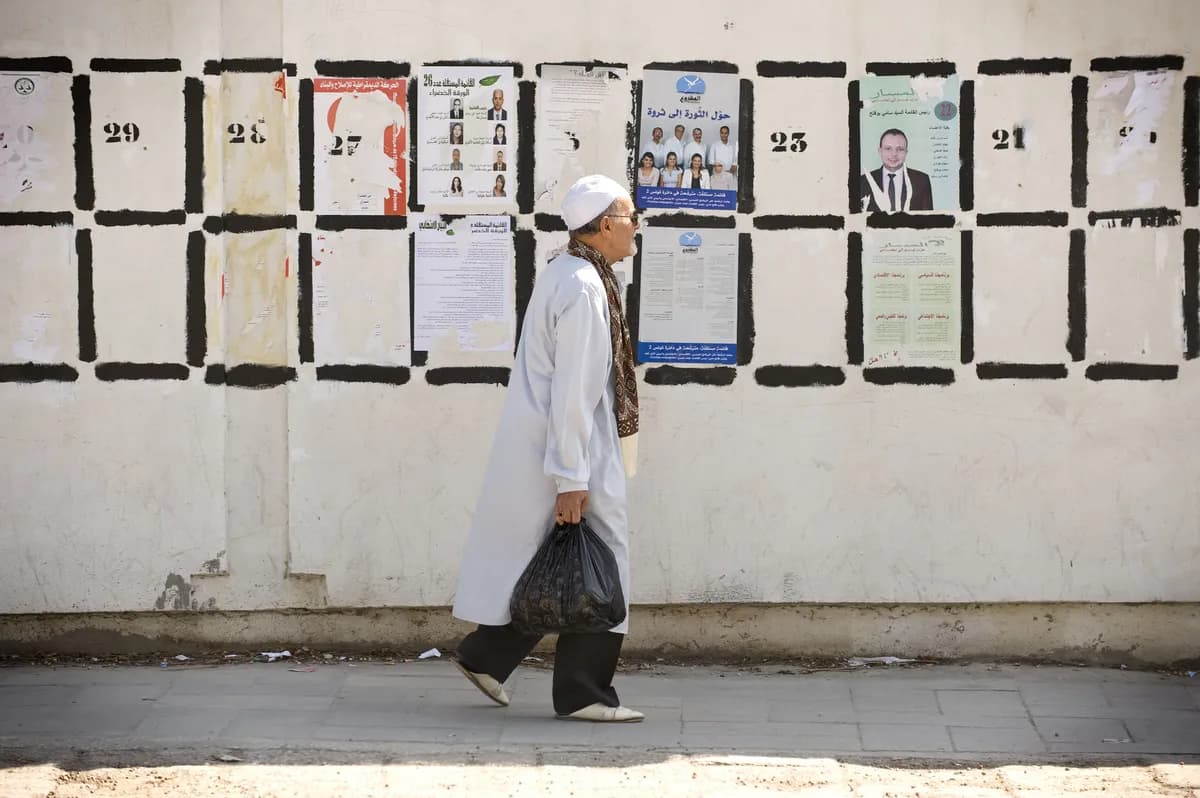
The election follows the resignation of a conservative-led government in December 2025 amid nationwide anti-corruption protests. Bulgaria has experienced political instability since 2021, with no government surviving a full term and multiple early elections. The protests in December 2025 were the largest in decades, initially sparked by a disputed draft budget but transforming into a broader revolt against the political status quo.
Rumen Radev is a former fighter pilot and air force commander, according to major media. He has positioned himself as an opponent of the country's entrenched mafia and its ties to high-ranking politicians, according to major media. Radev opposes military aid for Ukraine and has a softer stance on Moscow, alarming Western allies, according to major media.
break the oligarchy
Key political figures include Boyko Borissov, the veteran center-right leader of the GERB party, who is firmly pro-European, according to major media. This contrasts with Radev's more Eurosceptic and pro-Russian views, raising questions about how his potential premiership would affect Bulgaria's EU and NATO relations.
Bulgaria joined the eurozone on January 1, 2026, and entered the Schengen area shortly before, according to major media. However, delays in reforms have slowed Bulgaria's access to EU recovery funds, raising the risk of losing billions, according to major media.
remove the corrupt, oligarchic model of governance from po
Election integrity concerns have emerged, with authorities detaining over 200 people for electoral coercion weeks before the vote, according to major media. Bulgaria requested EU assistance last month to counter Russian attempts to influence public opinion through social media and propaganda, according to major media.
Voter turnout is predicted to jump from an average of 35% in recent elections to over 50% in this election, according to major media. This surge in participation could significantly impact the election dynamics, potentially favoring parties that mobilize new voters.